PM Modi Drops Another Instagram Video, Praises Anti-Paper Leak Bill
Source Entity
NDTV News Search Records Found 1000
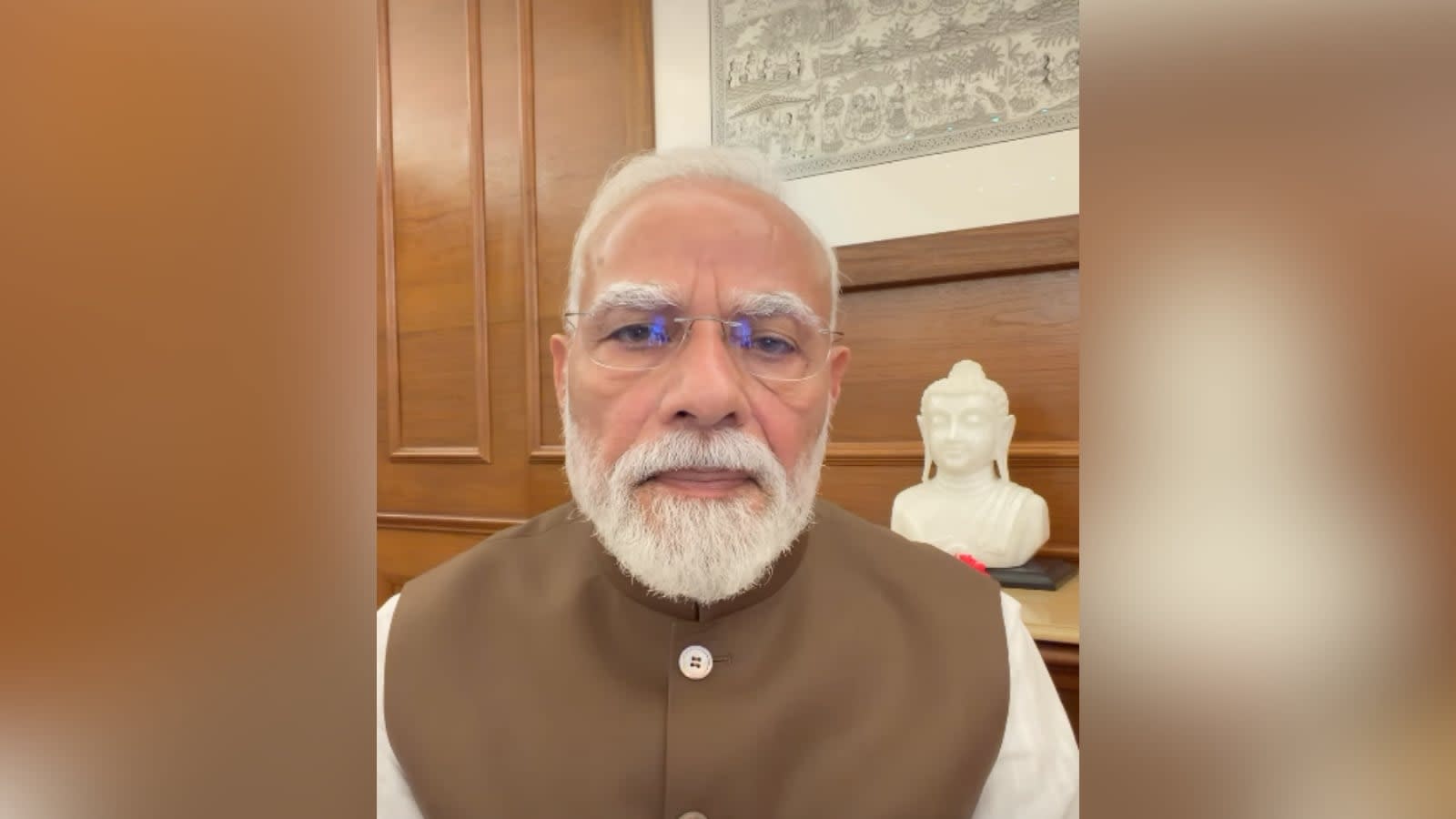
Parliament has passed the Public Examinations (Prevention of Unfair Means) Amendment Bill, 2026, to combat paper leaks. The legislation introduces strict penalties, including a minimum seven-year sentence for organized crimes, despite opposition protests.
Parliament Enacts Landmark Anti-Paper Leak Legislation
In a significant legislative development, the Public Examinations (Prevention of Unfair Means) Amendment Bill, 2026, has successfully cleared both houses of the Indian Parliament. Following its passage in the Lok Sabha, the Rajya Sabha approved the bill on Thursday, marking a critical step in the government's attempt to overhaul the integrity of public recruitment and educational examinations. The passage of this bill serves as a direct response to growing public frustration regarding systemic malpractices that have historically compromised the examination process.
Legislative Provisions and Penalties
At the core of the new legislation is a robust punitive framework designed to deter organized syndicates. The bill proposes a minimum sentence of seven years for those involved in organized crimes related to paper leaks. This shift toward mandatory, long-term imprisonment signals a departure from previous, more lenient regulatory frameworks, aiming to criminalize the 'paper mafia' that has allegedly thrived on the exploitation of aspiring students and candidates.
The Political Standoff
The legislative process was far from harmonious, characterized by a stormy exchange between the Treasury benches and the Opposition. Leader of Opposition Mallikarjun Kharge spearheaded the dissent, demanding the resignation of Home Minister Amit Shah. Kharge’s critique emphasized the human cost of these leaks, stating that those who worked hard were subjected to distress while perpetrators escaped accountability. The Opposition’s walkout underscored the deep-seated political divide regarding the timing and efficacy of these reforms, with critics arguing that such measures were long overdue.
Government Stance and Prime Ministerial Assurance
Defending the legislation, Union Minister Jitendra Singh highlighted the government's commitment to legislative reform. Prime Minister Narendra Modi reinforced this stance, utilizing social media to declare that the government would not spare any 'paper mafia' or criminal gangs. By framing the bill as a milestone for transparency in education, the Prime Minister emphasized that the state’s primary objective is to safeguard the future of the nation's youth, justifying the necessity of these tougher, more stringent laws.
Broader Implications and Future Outlook
The implementation of this amendment reflects a broader trend toward centralizing control and intensifying legal consequences for systemic corruption in public testing. By codifying 'unfair means' and setting high thresholds for sentencing, the government is attempting to restore public confidence in the meritocratic nature of national examinations. Moving forward, the effectiveness of this bill will depend heavily on the rigor of its enforcement and the judiciary's role in adjudicating cases involving organized syndicates.
Conclusion
The passage of the 2026 Amendment Bill represents a pivotal moment in Indian governance, balancing the urgent need for systemic reform with the realities of intense political polarization. While the government views this as a definitive victory for student welfare, the opposition’s continued scrutiny suggests that the discourse surrounding exam integrity and ministerial accountability will remain a central theme in the national political narrative for the foreseeable future.
Multiple Citing Sources
Verification Required?