Anil Akkara seeks transfer of all Vigilance files to CBI in Kerala LIFE Mission case
Source Entity
India Latest News: Top National Headlines Today & Breaking News | The Hindu
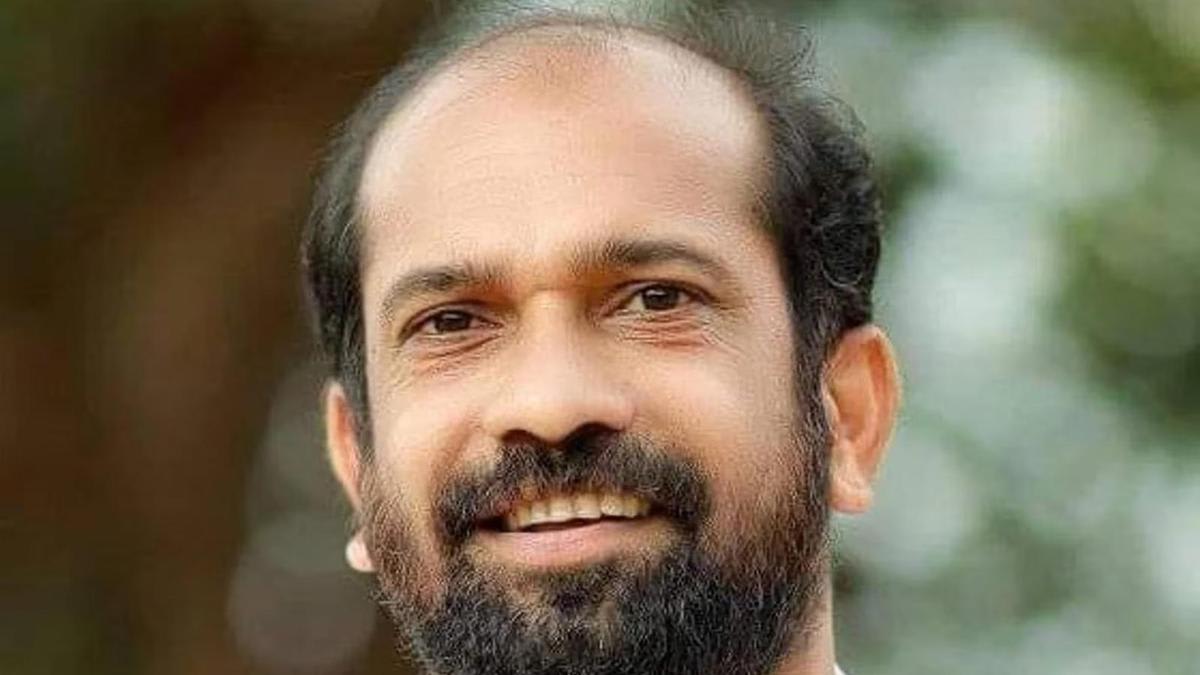
Former MLA Anil Akkara has urged the Kerala government to transfer all Vigilance files regarding the LIFE Mission case to the CBI. He argues that parallel investigations hinder the probe's efficiency and transparency.
The LIFE Mission Investigation: A Call for Centralized Oversight
Former Wadakkanchery MLA Anil Akkara has formally requested that the Kerala State Vigilance and Anti-Corruption Bureau (VACB) cease its parallel investigation into the LIFE Mission housing project. By demanding the transfer of all files, documents, and evidence to the Central Bureau of Investigation (CBI), Akkara seeks to consolidate the probe under a single federal authority. The CBI has already advanced its legal proceedings by filing a chargesheet, positioning it as the primary agency tasked with uncovering the irregularities associated with the project.
The Risks of Parallel Investigations
Akkara’s primary concern lies in the procedural inefficiencies created by having two separate agencies—the state-led VACB and the central CBI—investigating the same set of facts. In complex corruption cases, overlapping jurisdictions often lead to fragmented evidence chains and conflicting legal strategies. By advocating for the consolidation of records, the former MLA argues that the state government can prevent the dilution of evidence and ensure a more streamlined legal process that avoids contradictory findings between state and central entities.
Transparency and Legal Accountability
The demand for a unified investigation is rooted in a desire for greater transparency. Akkara has indicated his intent to submit a formal representation to the Home Minister, placing public pressure on the state government to pivot its stance. His argument rests on the premise that the integrity of the investigation is currently compromised by the existence of parallel tracks, which he suggests may be used to stall or complicate the path to justice. He explicitly urges the state to withdraw its ongoing Supreme Court plea regarding the case, signaling a push for total cooperation with the CBI.
Institutional Cooperation vs. Political Friction
The LIFE Mission project, intended to provide housing for the marginalized, has become a focal point of intense political friction in Kerala. The call to hand over files to the CBI represents an attempt to force the state government to relinquish its control over the investigation's narrative. This dynamic highlights the broader tension between state-led investigative bodies and central agencies, a recurring theme in Indian federal politics where jurisdiction over corruption probes often mirrors larger political rivalries.
Future Implications for the Case
If the state government yields to these demands, it would represent a significant shift in the legal trajectory of the LIFE Mission case. Consolidating the files would likely accelerate the judicial process, as the CBI would then possess the complete repository of evidence required to pursue its chargesheet effectively. Conversely, a continued refusal to transfer records could lead to further legal hurdles in the Supreme Court, potentially delaying a final resolution and prolonging the uncertainty surrounding the project's alleged irregularities.
Conclusion
Anil Akkara’s intervention serves as a critical push for procedural clarity in a high-stakes corruption inquiry. By prioritizing the consolidation of evidence under the CBI, he aims to replace fragmented investigations with a singular, comprehensive, and transparent process. Whether this leads to a resolution or invites further legal contestation will depend on the state’s willingness to align its investigative strategy with federal efforts.
Verification Required?