'As if I am a terrorist': Tehseen Poonawalla claims house arrest over E20 protest
Source Entity
PRISHA PATNAIK
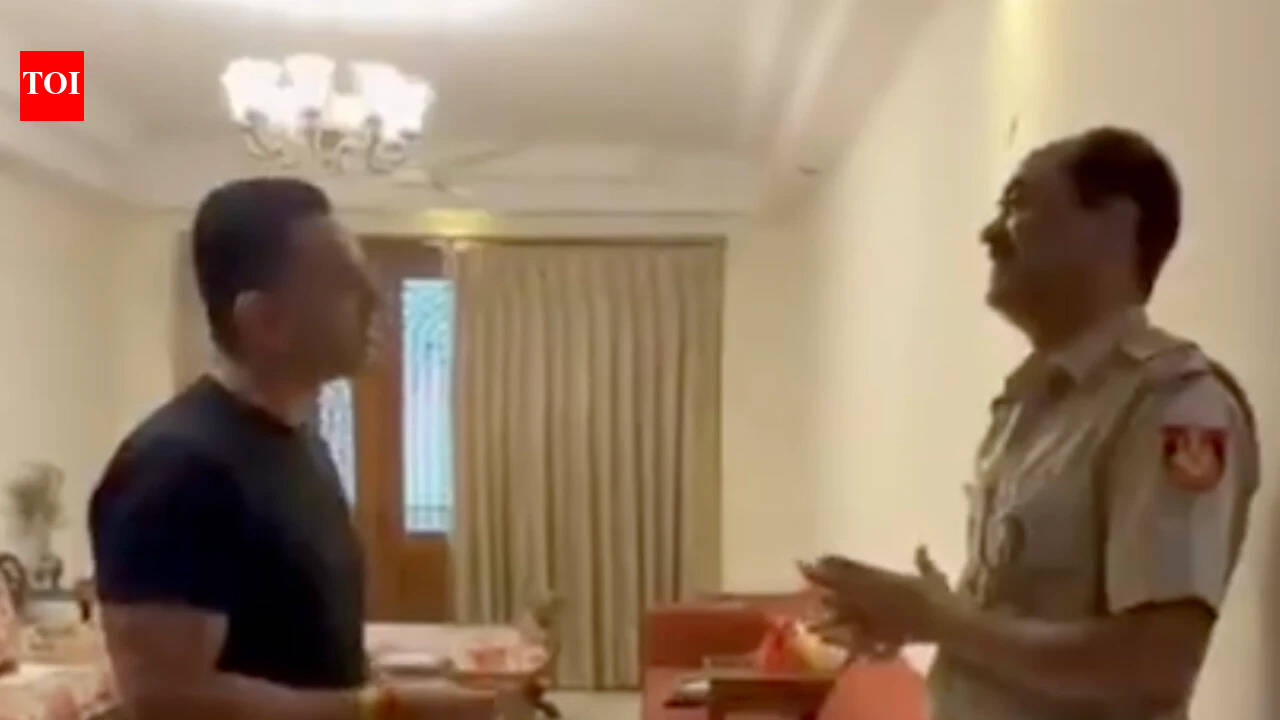
Political analyst Tehseen Poonawalla alleged house arrest by Delhi Police to prevent a protest against the Centre's E20 ethanol policy. Meanwhile, the Aam Aadmi Party held a parallel townhall protest, utilizing symbolic sugarcane demonstrations to criticize the fuel initiative.
The E20 Policy: A Flashpoint for Political Dissent
The recent developments surrounding the Centre's E20 ethanol-blending policy have ignited a significant political firestorm in the capital. Political analyst Tehseen Poonawalla reported being placed under house arrest by the Delhi Police, an action he described as being treated "as if I am a terrorist." This confrontation, occurring ahead of his intended hunger strike, underscores the heightened sensitivity surrounding the government’s push for ethanol-blended fuel, which has become a focal point for both independent activists and established political parties.
Allegations of State Overreach
According to reports and footage shared by Poonawalla on X, an entire contingent of Delhi Police officers, including women personnel, prevented him from leaving his residence. Poonawalla’s direct challenge to Union Minister Nitin Gadkari highlights the personal nature of this political opposition. By framing his restriction as a direct response to his stance on the "Ethanol Scam," Poonawalla has successfully leveraged social media to bring visibility to his cause, drawing a stark contrast between his restricted movement and the government’s stated policy goals.
The AAP Strategy: Symbolic Protest
Simultaneously, the Aam Aadmi Party (AAP) has launched its own organized front against the E20 mandate. At a townhall held at the Mavalankar Auditorium, high-profile leaders including Arvind Kejriwal and Saurabh Bhardwaj addressed hundreds of supporters. The event was notable not only for its attendance—which the party claimed reached over seven lakh viewers via livestream—but for its performative nature. By distributing raw sugarcane sticks to supporters, AAP created a visual narrative linking the policy directly to the agricultural sector, effectively turning a technical fuel policy into a relatable public discourse.
The "Rant Booth" and Public Engagement
Beyond the speeches, the AAP event featured a "Rant Booth" labeled #GanneKiBaat, which encouraged citizens to express their frustrations regarding the E20 policy. This tactic serves to institutionalize public discontent, moving it from isolated social media posts to a cohesive, party-led movement. The packed auditorium, with attendees filling balconies and staircases, suggests that the policy has become a significant rallying cry for those critical of the current administration's energy and agricultural trajectory.
Broader Implications for Energy Policy
The simultaneous pressure from independent analysts like Poonawalla and organized efforts by the AAP signals a growing trend of resistance against the E20 transition. While the government views ethanol blending as a path toward energy security and reduced import bills, critics are increasingly highlighting concerns that range from economic feasibility to the potential impact on sugar supply chains. As these protests gain momentum, the government faces the dual challenge of defending its energy roadmap while managing the political optics of policing dissent in the heart of Delhi.
Future Trends in Political Protest
The convergence of digital activism—such as Poonawalla’s video-recorded house arrest—and traditional, symbolic physical protests like the AAP’s sugarcane campaign points to a evolving landscape of political agitation. Moving forward, it is likely that the E20 policy will remain a contentious issue, potentially serving as a recurring theme in political debates. The ability of opposition forces to capture public imagination through creative, symbolic messaging suggests that the debate over fuel policy is far from over and may influence future legislative scrutiny.