Dipke questions PM Modi after his message to students who hurled abuses: ‘Is this forgiveness only for the reel?’
Source Entity
Latest News: Todays Latest News Headlines from India & World | Hindustan Times | Hindustan Times
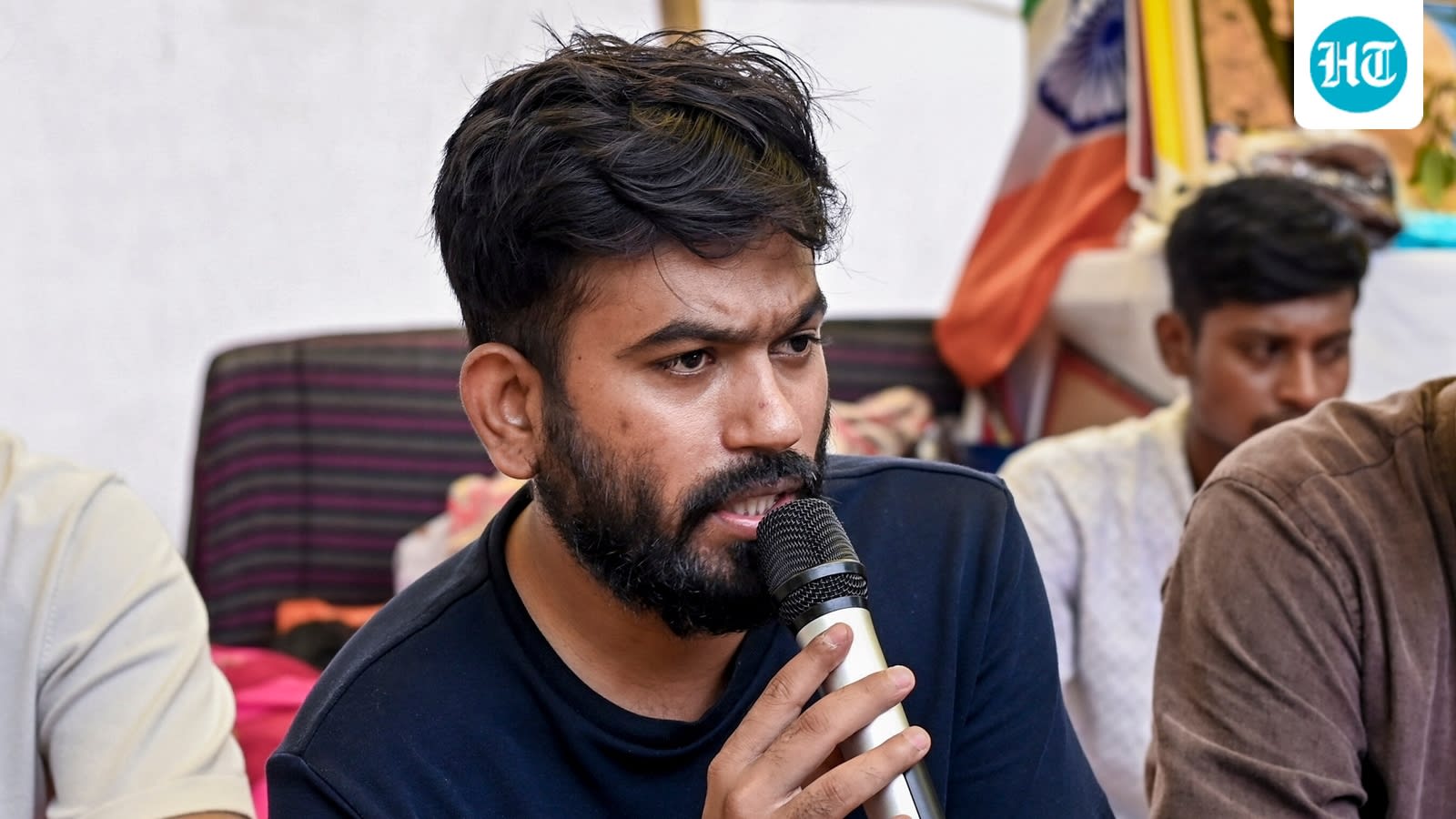
Cockroach Janta Party founder Abhijeet Dipke has challenged PM Narendra Modi's public forgiveness of students who abused him, questioning if the gesture is sincere or merely for optics. Dipke is demanding that the government translate this rhetoric into action by withdrawing pending legal cases against the protesters.
The Intersection of Digital Rhetoric and Political Accountability
Recent political discourse in India has been marked by a high-profile exchange between Prime Minister Narendra Modi and political commentator Abhijeet Dipke, founder of the Cockroach Janta Party. The controversy stems from a video message posted by the Prime Minister in which he explicitly stated his intention to forgive students who directed abuses toward him and his late mother during protests at Jantar Mantar. Prime Minister Modi characterized these individuals as "misguided" youth who require guidance rather than punitive measures, a stance framed as an act of magnanimity.
The Challenge to Performative Politics
Abhijeet Dipke’s response, delivered directly on the Prime Minister's social media platform, has pivoted the conversation toward the tangible consequences of political messaging. By asking, "Will you forgive them only in a reel or will you withdraw cases?" Dipke has introduced a critical layer of accountability. This challenge highlights a recurring skepticism in contemporary Indian politics regarding the divide between public-facing, curated digital communication—often referred to as "reels"—and the actual institutional treatment of protesters within the judicial system.
Dissecting the 'Misguided' Narrative
The Prime Minister’s terminology—labeling the protesters as "misguided"—is a common political framing device used to de-escalate tensions by paternalistically reframing dissent as a lack of understanding rather than ideological opposition. While the Prime Minister advocates for a path of forgiveness, the legal reality for many student protesters involves ongoing criminal proceedings. Dipke's critique serves to bridge this gap, suggesting that if the intent is truly to guide rather than punish, the state must reflect this in its legal strategy by dropping charges.
The Role of Social Media in Modern Governance
This incident underscores the transformative power of social media in modern Indian governance. When a national leader uses short-form video content to address sensitive public controversies, they invite a level of direct, public-facing scrutiny that traditional press conferences often lack. Dipke’s comment, visible to a vast audience, forces a public debate on whether state power is being exercised consistently with the message of forgiveness being projected on digital platforms.
Broader Implications and Future Trends
As political figures increasingly utilize social media for direct engagement, the gap between the "optics" of reconciliation and the "logistics" of legal administration will likely become a recurring point of friction. The demand for consistency—where public statements of grace are matched by policy shifts—is becoming a cornerstone of opposition strategy. Looking forward, we can expect that digital platforms will continue to be the primary battleground where the authenticity of political gestures is interrogated by critics and citizens alike.
Conclusion
The exchange between Prime Minister Modi and Abhijeet Dipke represents a significant moment in the scrutiny of political communication. While the Prime Minister’s video seeks to project an image of a forgiving leader, the public demand for the withdrawal of legal cases against protesters highlights the necessity for state action to align with public rhetoric. Whether this leads to a shift in the government’s legal approach or remains a point of contention remains to be seen, but the event underscores the growing demand for substantive consistency in the digital age.
Verification Required?