Paraguay bank collapse shows stablecoins can offer a lifeline... of sorts
Source Entity
Cointelegraph by Christina Comben
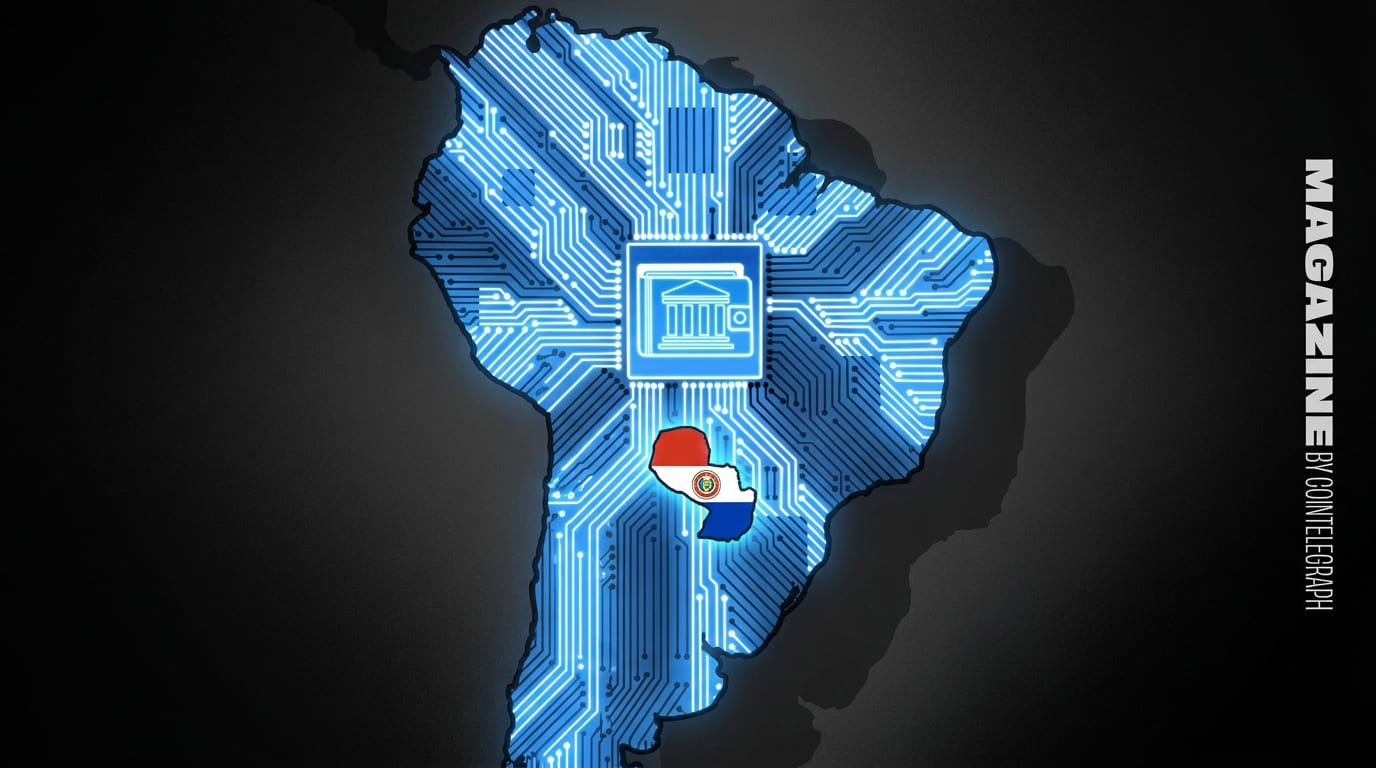
The collapse of Paraguay's Ueno Bank has left millions without account access, triggering a severe political crisis and the potential impeachment of President Santiago Peña. Amidst the turmoil, citizens are increasingly turning to stablecoins as a financial lifeline, causing a sharp spike in local cryptocurrency premiums.
The Ueno Bank Crisis: A Catalyst for Financial and Political Upheaval
The recent collapse of Ueno Bank in Paraguay represents a profound failure of digital banking infrastructure, impacting nearly three million customers—a staggering 60% of the nation's adult population. This systemic breakdown, triggered when the bank’s solvency ratio plummeted well below the legally mandated minimum, has exposed deep-seated vulnerabilities in the country’s financial oversight mechanisms. The subsequent intervention by Paraguay’s Central Bank on November 3 was a necessary but delayed response to what investigators later identified as widespread questionable lending practices and severe deficiencies in credit documentation and accounting.
Systemic Fragility and Regulatory Failure
The failure of Ueno Bank is not merely an isolated case of corporate mismanagement; it serves as a case study in the dangers of rapid digital banking expansion without robust regulatory guardrails. By failing to maintain adequate solvency ratios and engaging in opaque lending, the institution created a house of cards that left millions of citizens financially stranded. The incident underscores the critical necessity for stringent audits and transparent reporting, especially as emerging markets shift toward digital-first financial services that may lack the historical stability of traditional, brick-and-mortar banking institutions.
The Political Fallout and Civil Unrest
Beyond the immediate economic impact, the collapse has acted as a catalyst for a full-scale political crisis. The scale of the financial loss has prompted thousands of citizens to take to the streets in protest, demanding accountability for a failure that has effectively frozen the nation's liquidity. The situation reached a breaking point with the dramatic developments surrounding President Santiago Peña, who faces impeachment and arrest on charges of breach of trust and the illicit use of his office for personal gain. This political instability threatens to further compound the economic damage, as international investors remain wary of the nation's governance landscape.
Stablecoins as a Digital Lifeboat
In the absence of traditional banking access, Paraguay’s peer-to-peer (P2P) cryptocurrency market has seen a massive surge in demand. Stablecoins, particularly USDt, have emerged as a functional, albeit volatile, lifeline for those unable to access their frozen deposits. This shift is highlighted by the emergence of a 13% premium on USDt in local markets, illustrating the desperation of the populace to secure their wealth in assets that are not tethered to the failing domestic banking system. This phenomenon demonstrates how decentralized finance (DeFi) can act as an emergency alternative when centralized fiat systems fail.
Future Trends and Institutional Implications
The Ueno Bank collapse will likely necessitate a total overhaul of Paraguay’s financial regulatory framework. Future trends suggest that the Central Bank will be under intense pressure to implement stricter capital requirements and more frequent stress tests. Furthermore, the reliance on stablecoins during this crisis indicates that the government may be forced to either formalize or strictly regulate the crypto market, as it has clearly demonstrated its role as a shadow financial system during times of national distress. The road to recovery will require both the restoration of public trust in the banking sector and a clear resolution to the ongoing constitutional crisis.