Parali solution may lie closer to the farm
Source Entity
Shweta Saini
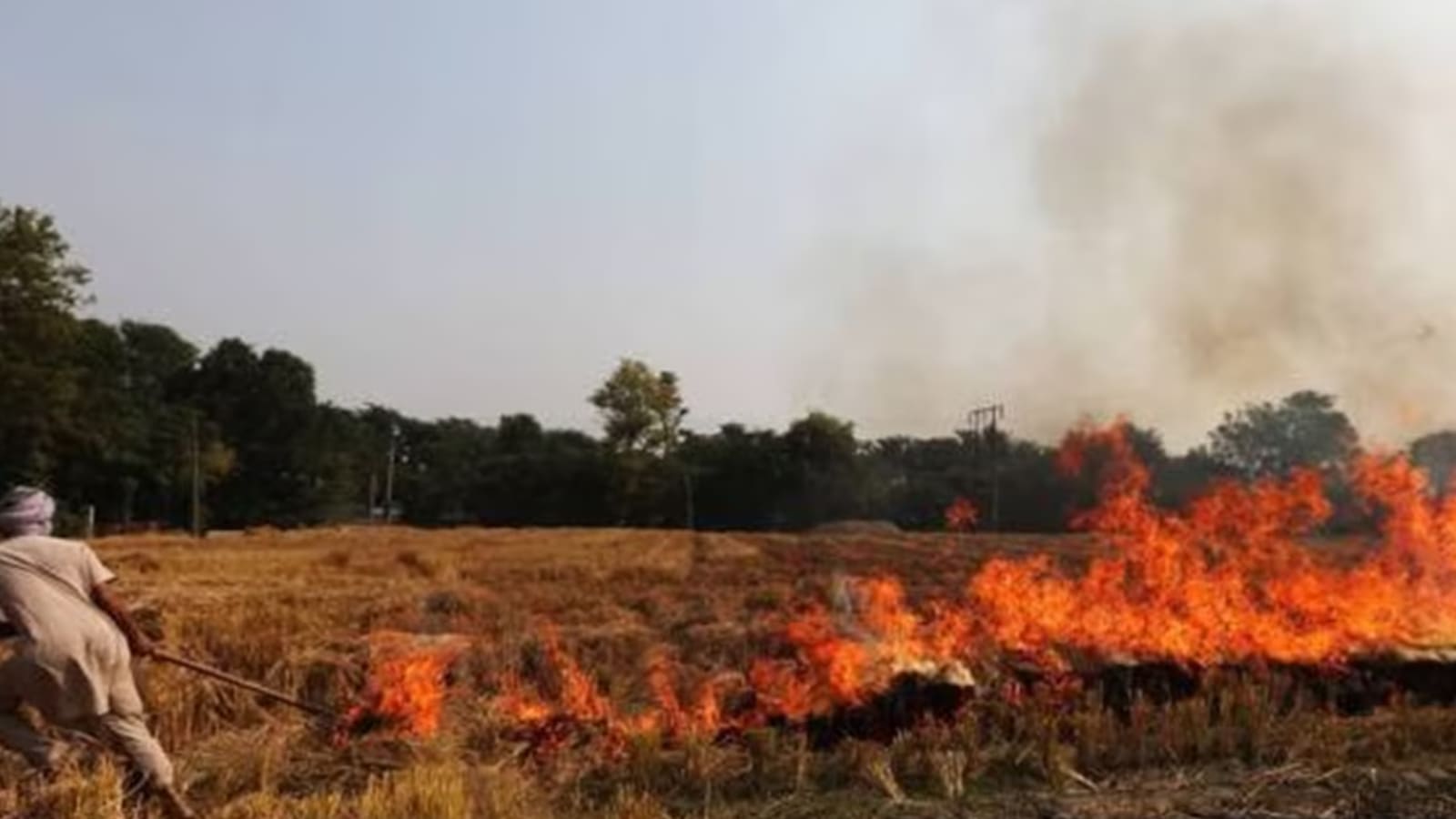
The persistent issue of paddy straw burning in Punjab is shifting as market demand for crop residue grows. Emerging value for parali in power and biofuel sectors offers a potential economic solution to seasonal air pollution.
The Evolving Economics of Crop Residue
As the winter season approaches, Delhi prepares for the familiar, grim cycle of seasonal air pollution exacerbated by farm fires in Punjab. For years, the narrative has remained static: government mandates, satellite monitoring, and the recurring plea for farmers to cease burning paddy straw. However, this top-down approach has frequently clashed with the harsh economic realities faced by farmers, who operate within an extremely narrow window between harvesting paddy and sowing wheat.
The Structural Challenges of Stubble Management
The fundamental problem remains the physical and economic burden of 'parali' or crop residue. The bulky nature of this waste makes transportation and storage logistically complex and expensive. Because farmers are under immense pressure to clear their fields quickly to prepare for the next crop cycle, the cost-benefit analysis of alternative disposal methods has historically favored burning. Without a viable economic incentive, administrative bans have struggled to gain traction against the sheer necessity of farm efficiency.
A Market-Driven Shift
What has fundamentally changed is the emergent valuation of straw as a marketable commodity. Historically, farmers were often forced to pay for the removal of their own residue. Today, in specific regions of Punjab, this dynamic is reversing, with parali fetching prices between Rs 1.5 and Rs 2 per kilogram. This shift indicates that the 'waste' is finally being recognized as a resource, driven by external demand from power plants, Compressed Bio-Gas (CBG) units, and pellet manufacturers.
Industrial Integration and Future Trends
The inclusion of crop residue into industrial supply chains represents a critical turning point in environmental policy. By integrating parali into the energy sector—specifically through biomass-based power generation and biofuel production—the agricultural sector is gaining an additional revenue stream. This transition suggests that the ultimate solution to the air quality crisis in North India may lie not in punitive measures, but in the successful scaling of these nascent markets.
Conclusion: Aligning Policy with Profit
To move beyond the cycle of seasonal crises, policy must focus on strengthening the infrastructure required to aggregate, process, and transport this biomass efficiently. If the current market trend continues, the economic incentive to sell straw will eventually outweigh the perceived necessity of burning it. By aligning the farmers' financial interests with environmental sustainability, India has a genuine opportunity to mitigate the crisis at its source.