Paramount/WBD merger delayed for months as states' lawsuit moves toward trial
Source Entity
Jon Brodkin
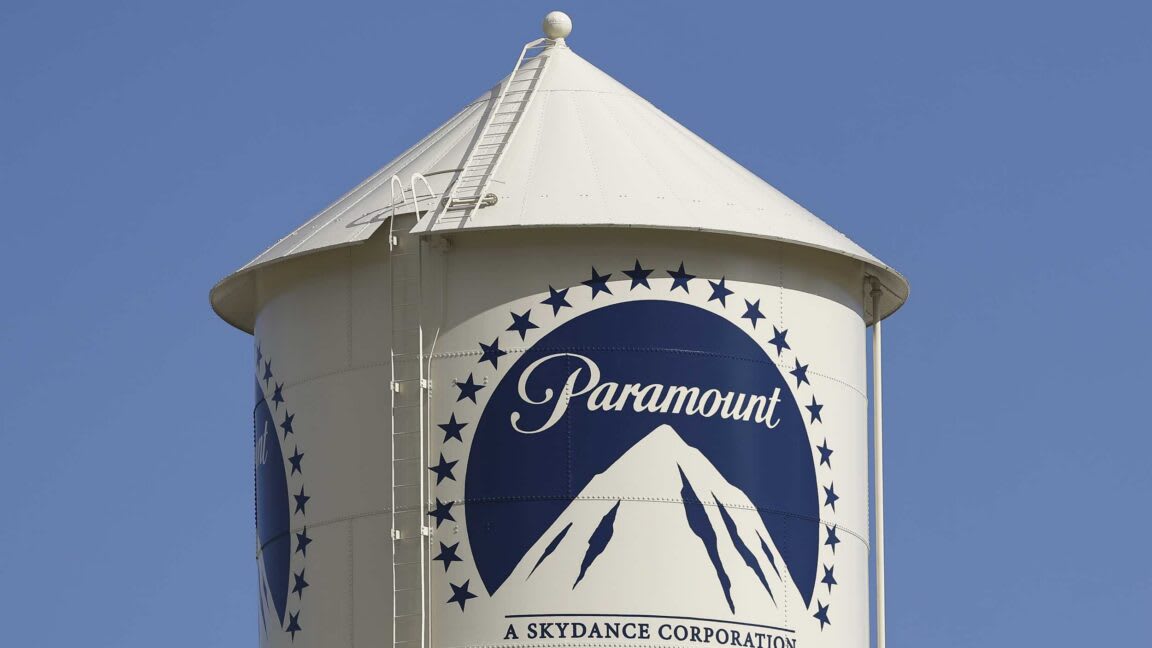
Paramount has agreed to delay its $81 billion acquisition of Warner Bros. Discovery until June 2027 following an antitrust lawsuit led by state attorneys general. The pause allows a US federal court to review the merger's potential impact on competition in the entertainment industry.
The Strategic Pivot: Paramount-WBD Merger Faces Extended Delay
Paramount’s ambitious plan to acquire Warner Bros. Discovery has hit a significant regulatory wall, forcing the company to push back its completion target to as late as June 2027. Originally slated for closure by September, the transaction—valued between $81 billion and $111 billion across various reports—is currently frozen under a temporary restraining order issued by U.S. District Judge Araceli Martinez-Olguin. This legal intervention follows a coordinated lawsuit filed by a coalition of twelve state attorneys general, led by California’s Rob Bonta, who argue that the consolidation threatens to substantially reduce competition within the Hollywood landscape.
Antitrust Concerns and Judicial Scrutiny
The core of the opposition rests on antitrust concerns, with state officials and the Writers Guild of America (WGA) arguing that such a massive integration of media assets would consolidate too much power in a single entity. Judge Martinez-Olguin’s decision to grant the temporary restraining order underscores the court's view that the plaintiffs have presented "serious questions" regarding the market impact of the merger. By agreeing to wait until a merits determination or June 2027, Paramount is effectively conceding that the legal hurdles are too substantial to bypass through expedited closing efforts.
The Cost of Delay
While Paramount has publicly characterized this agreement as a "significant win"—likely because it prevents an immediate block and allows the case to proceed toward a full trial based on evidence—the delay comes with a heavy financial price tag. The extended timeline is expected to raise the overall deal price, reflecting the complexities of holding such a massive transaction in limbo for several years. This financial escalation poses questions about the long-term viability of the deal if market conditions for media conglomerates shift during the interim.
Broader Implications for Hollywood
The outcome of this trial will serve as a bellwether for future media consolidations. As streaming services and traditional studios face increased pressure to scale, the regulatory environment has become increasingly skeptical of mega-mergers that could stifle creative competition. The involvement of the WGA highlights that labor organizations are also closely monitoring how corporate integration might affect future labor negotiations and production standards.
Future Trends and Outlook
Looking ahead, the period leading up to June 2027 will be defined by intense discovery and litigation. If a definitive ruling on the merits is not reached by the June deadline, the plaintiffs retain the right to seek a preliminary injunction, further extending the uncertainty. This case represents a high-stakes battle between corporate expansion strategies and the regulatory commitment to maintaining a competitive marketplace, signaling that the era of "big media" consolidation will face rigorous scrutiny from state and federal authorities for the foreseeable future.
Multiple Citing Sources