Govt offers Amit Shah statement in Parliament, opposition doesn't relent
Source Entity
TNN
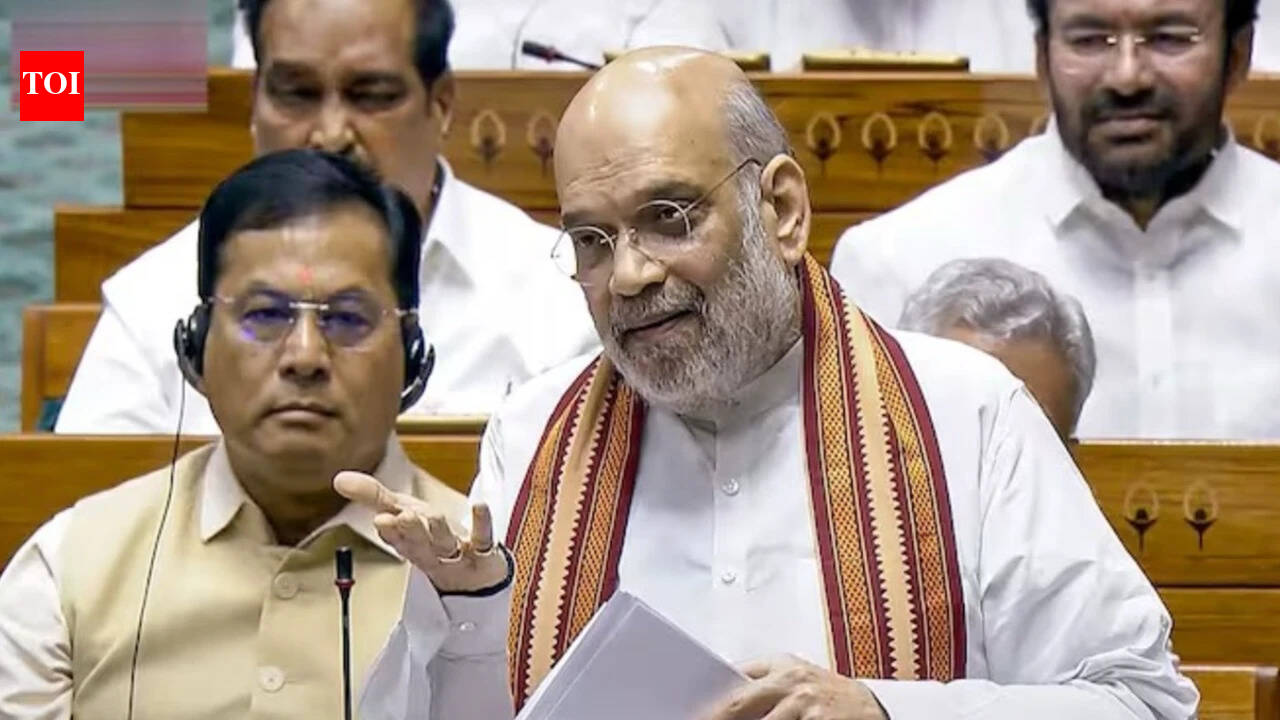
The 2026 Monsoon Session of Parliament faces persistent disruptions as opposition protests continue to stall proceedings. Despite government offers for debates and legislative movement on key bills, the impasse remains unresolved.
Stalling Democracy: The 2026 Monsoon Session Crisis
The 2026 Monsoon Session of Parliament, which commenced on July 20, has been defined by a deep-seated legislative impasse. As of August 11, both Houses continue to face frequent adjournments, reflecting a volatile environment characterized by intense friction between the ruling government and the opposition bloc. This disruption has significantly hampered the routine functioning of the legislature, preventing critical parliamentary business from moving forward in a timely manner.
The Core of the Impasse
At the center of the conflict is a widening gap in expectations. While the government, represented by voices like Nadda, has expressed a willingness to discuss issues within the House, the opposition—led by the Congress—has set non-negotiable prerequisites. These include demands for a formal apology from Prime Minister Modi regarding alleged police excesses against student protesters and a full statement concerning the management of Ram temple funds. The government’s offer for a statement by Home Minister Amit Shah has been rejected as insufficient, leaving the legislative process in a state of paralysis.
Legislative Priorities vs. Political Protests
Despite the ongoing turmoil, the government is attempting to press ahead with a significant legislative agenda. Key items slated for consideration include the Kerala (Alteration of Name) Bill, 2026, and the National Co-operative Development Corporation (Amendment) Bill, 2026. These, alongside the Tribunals Reforms Bill and the Mines and Minerals (Development and Regulation) Amendment Bill, represent crucial policy shifts that the government is eager to finalize before the session concludes on August 13.
The Role of Parliamentary Decorum
The persistent disruptions have drawn the attention of the Speaker, who has repeatedly urged Members of Parliament to maintain decorum to ensure the sanctity of the House is preserved. However, the intensity of the opposition's protest, which has effectively shut down proceedings until 2 p.m. on multiple occasions, suggests that the political stakes are perceived as higher than the immediate legislative output by those on the floor.
Broader Implications and Future Trends
The inability of the legislature to function normally raises concerns about the efficiency of the democratic process in India. If the session concludes on August 13 without resolving these underlying tensions, it may set a precedent for future sessions where legislative work is held hostage to political demands. The trend suggests a shift toward more confrontational politics, where parliamentary sessions are increasingly utilized as platforms for public signaling rather than the collaborative drafting of laws.
Conclusion
As the Monsoon Session nears its final days, the path toward a functional conclusion remains narrow. The government's ability to navigate these protests while securing the passage of essential bills will be a testament to its parliamentary management. Whether the remaining time will be used for constructive debate or continue to be marred by the same cycle of protests remains the defining question of this legislative period.
Multiple Citing Sources