Protest vs Protest Outside Parliament Over Amit Shah, Rahul Gandhi, Ram Temple
Source Entity
NDTV News Search Records Found 1000
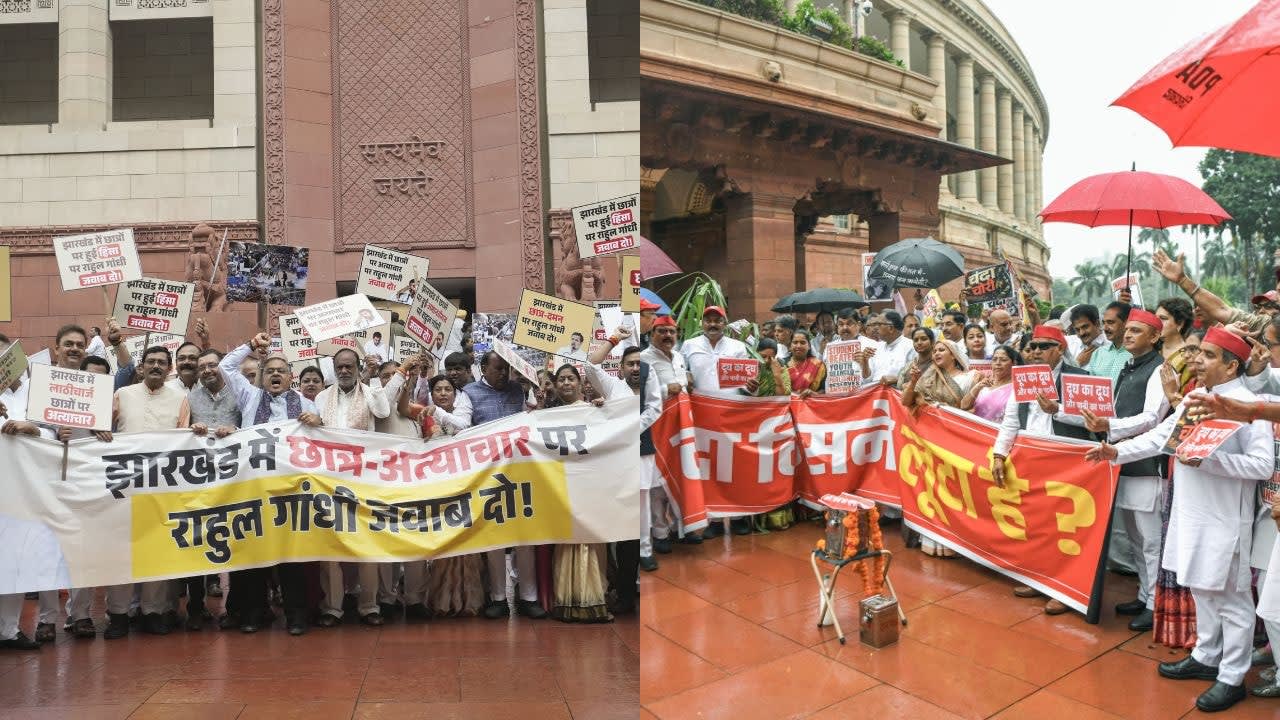
The 2026 Monsoon Session of Parliament faces continued disruption as opposition protests persist despite government offers for debate. Key legislative business, including the Kerala (Alteration of Name) Bill, remains stalled amid demands for accountability.
Stalled Parliamentary Proceedings
The 2026 Monsoon Session of Parliament, which commenced on July 20, has been characterized by persistent legislative gridlock. As of August 11, both Houses continue to face frequent adjournments, with proceedings often halted shortly after convening. This atmosphere of discord reflects a deep-seated impasse between the Treasury benches and the Opposition, significantly hampering the government's ability to conduct routine business and pass critical legislation.
The Core Conflict and Demands
The government has expressed a willingness to engage in parliamentary debate, with Union Minister J.P. Nadda stating an openness to discuss every issue within the House. Specifically, the government offered a debate on recent student protests and a formal statement from Home Minister Amit Shah. However, the Opposition, led by the Congress party, remains unmoved, conditioning their participation on further demands, including an apology from Prime Minister Modi regarding alleged police actions and a statement concerning the management of Ram temple funds.
Legislative Agenda vs. Political Posturing
Despite the ongoing protests, the government has attempted to push forward a significant legislative agenda. Home Minister Amit Shah is slated to move the Kerala (Alteration of Name) Bill, 2026, and the National Co-operative Development Corporation (Amendment) Bill, 2026. These, alongside the Tribunals Reforms Bill and the Mines and Minerals (Development and Regulation) Amendment Bill, represent substantial policy shifts that are currently trapped in the crossfire of political maneuvering.
Historical and Procedural Context
The current session’s trajectory underscores a recurring trend in Indian parliamentary history where high-stakes political disagreements lead to the systematic suspension of legislative work. By August 11, the Speaker’s repeated calls for decorum have largely gone unheeded, highlighting a breakdown in the traditional consensus-building mechanisms usually employed to manage parliamentary friction. The reliance on adjournment as a primary tool for protest has effectively paused the presentation of various Parliamentary Standing Committee reports.
Future Trends and Session Conclusion
With the Monsoon Session scheduled to conclude on August 13, time is rapidly running out for the government to secure the passage of its key bills. The inability to break the current deadlock suggests that the final days of the session will likely be defined by further disruptions rather than legislative output. If the impasse persists, the government may be forced to rely on executive ordinances or defer these critical legislative items to future sessions, further delaying administrative and developmental reforms.
Implications for Governance
The prolonged nature of these protests indicates a significant decline in the functional output of the session. When essential legislative instruments—such as the Bankers’ Books Evidence Bill, 2026—are passed amid an atmosphere of constant volatility, the long-term efficacy of the parliamentary process is brought into question. The upcoming final days will be a litmus test for the government's ability to navigate intense political pressure while maintaining the momentum of its legislative mandate.
Multiple Citing Sources
Verification Required?