Parliament Monsoon Session 2026 Highlights: Both Houses Adjourned Till 2 pm Amid Opposition Protest On Various Issues
Source Entity
NDTV News Search Records Found 1000
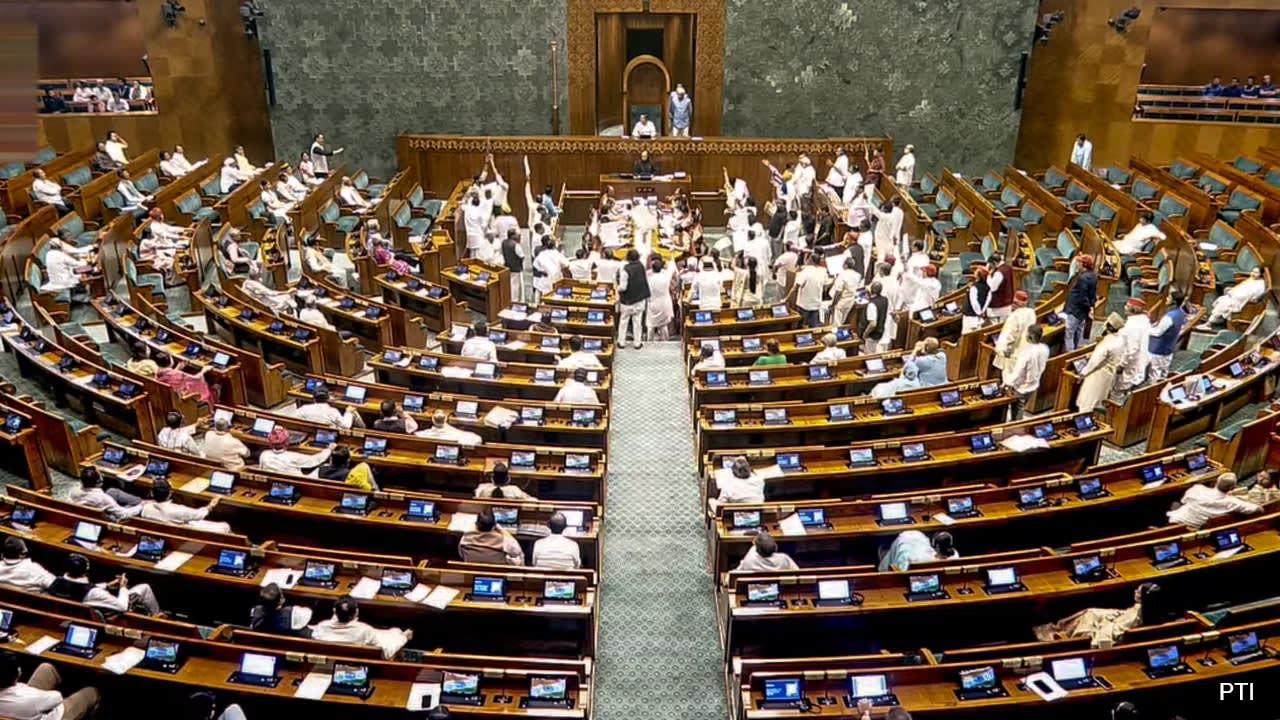
The 2026 Monsoon Session of Parliament faces continued deadlock as opposition protests stall proceedings despite government offers for debate. Key legislative agendas, including the Kerala (Alteration of Name) Bill, remain pending amid escalating demands for executive accountability.
Legislative Deadlock: The 2026 Monsoon Session Crisis
The 2026 Monsoon Session of Parliament, which commenced on July 20, has been defined by a persistent impasse between the Treasury benches and the Opposition. As the session approaches its scheduled conclusion on August 13, the legislative calendar has been repeatedly interrupted by protests, leading to frequent adjournments of both Houses. This ongoing friction highlights a deep-seated breakdown in parliamentary consensus, significantly impacting the government's ability to conduct routine business.
The Anatomy of the Impasse
The current standoff is rooted in a complex set of demands presented by the Opposition, led by the Congress party. While the government, represented by voices like Nadda, has expressed readiness to discuss various issues, the Opposition remains firm in its insistence on specific conditions. These include a formal apology from Prime Minister Modi regarding alleged police excesses during recent student protests and a government statement concerning the reported embezzlement of Ram temple funds. The government's offer to facilitate a statement from Home Minister Amit Shah has thus far failed to placate the protesting members.
Legislative Priorities vs. Political Friction
Despite the frequent adjournments, the government remains committed to its legislative agenda. Home Minister Amit Shah is scheduled to move critical legislation, including the Kerala (Alteration of Name) Bill, 2026, and the National Co-operative Development Corporation (Amendment) Bill, 2026, in the Lok Sabha. These bills represent significant administrative and structural adjustments that the ruling party aims to pass before the session concludes. The simultaneous push for these bills alongside the opposition's refusal to relent underscores the high-stakes political environment currently permeating the Parliament.
Parliamentary Conduct and Speaker Intervention
The atmosphere within the House has reached a point where the Speaker has been forced to intervene, urging Members of Parliament to maintain decorum. The frequent disruptions, often occurring minutes after the Houses convene, reflect a broader trend of utilizing parliamentary sessions as a platform for intense political signaling. This behavior complicates the presentation of essential Parliamentary Standing Committee reports, which are vital for oversight and informed legislative decision-making.
Broader Implications and Future Trends
The inability of the government and the opposition to find common ground suggests a challenging road ahead for the remainder of the 2026 term. As the session draws to a close on August 13, the focus shifts to whether the government will prioritize passing key legislation—such as the Tribunals Reforms Bill and the Mines and Minerals (Development and Regulation) Amendment Bill—through alternative parliamentary procedures or if the current stalemate will persist. This session serves as a stark reminder of the volatility inherent in modern coalition or high-tension political governance, where legislative efficiency is frequently subordinated to political confrontation.
Multiple Citing Sources
Verification Required?