Minister Speaks To Rahul Gandhi At Protest Outside PM's House Over Paper Leaks
Source Entity
NDTV News Search Records Found 1000
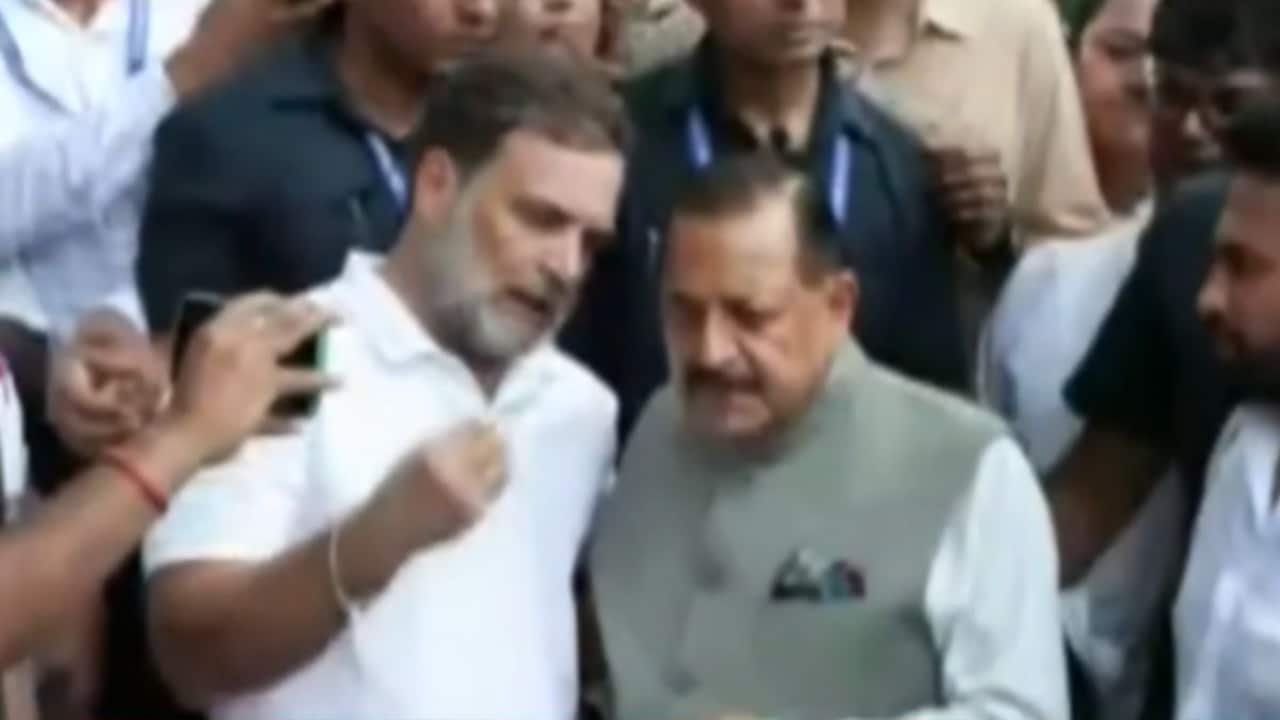
The first day of the Monsoon Session of Parliament was washed out by intense opposition protests over the NEET paper leak and Ayodhya temple donation theft. Meanwhile, massive street protests in Delhi led to police intervention, even as the government pushed forward a bill to increase Supreme Court judges.
Parliament Monsoon Session Paralyzed by Protests
The Monsoon Session of Parliament commenced on a volatile note on July 20, 2026, as the proceedings in both the Lok Sabha and Rajya Sabha were effectively halted by a unified opposition. The primary catalysts for this disruption were allegations surrounding the NEET paper leak—a matter of grave concern for millions of students—and reports of donation theft at the Ram Temple in Ayodhya. These issues served as the focal point for a broader confrontation between the government and opposition benches.
Escalating Tensions in the National Capital
Beyond the legislative chambers, the streets of Lutyens’s Delhi bore witness to significant unrest. Estimates suggest that over 50,000 protesters, predominantly youth led by the Cockroach Janta Party (CJP), engaged in large-scale demonstrations. The scale of the movement necessitated a heavy-handed response from law enforcement, involving lathicharges, tear gas, and water cannons across critical arterial roads such as Ashoka Road and Janpath. This convergence of parliamentary obstruction and civil unrest underscores a period of high political friction.
Legislative Hurdles Amidst Chaos
Despite the frequent adjournments—totaling six throughout the day in the Lok Sabha—the government managed to secure a narrow window of activity. Union Law Minister Arjun Ram Meghwal successfully introduced a bill aimed at replacing an existing ordinance. This legislative move is particularly significant, as it seeks to increase the sanctioned strength of the Supreme Court of India from 34 to 38 judges, including the Chief Justice. This indicates that while the political climate is stormy, the administration remains committed to addressing judicial capacity requirements.
Strategic Opposition Dynamics
Internal dynamics within the opposition bloc remain complex. While parties like the Congress, SP, and Trinamool Congress (TMC) actively disrupted proceedings by storming the Well of the House, the DMK chose to prioritize the Mekedatu issue, notably skipping a Congress-led coordination meeting. Furthermore, the logistical shift in seating arrangements for rebel TMC members added an extra layer of tension, highlighting the fragmented nature of opposition unity even in the face of shared grievances.
Broader Implications and Future Trends
This washout of the first day signals a potentially difficult session for the government, where the pressure to address systemic failures in examination processes and public trust issues will likely dominate the agenda. As the government attempts to balance legislative goals with mounting public outrage, the reliance on ordinances and the need for judiciary expansion suggest a focus on institutional stability. Future trends indicate that unless the government provides a satisfactory response to the NEET controversy, the legislative deadlock is likely to persist, further complicating the passage of critical policy initiatives like the proposed ethanol blending framework.
Multiple Citing Sources
Verification Required?