'A moment that tore apart several lives': PM Modi on Partition Horrors Remembrance Day
Source Entity
TOI NEWS DESK
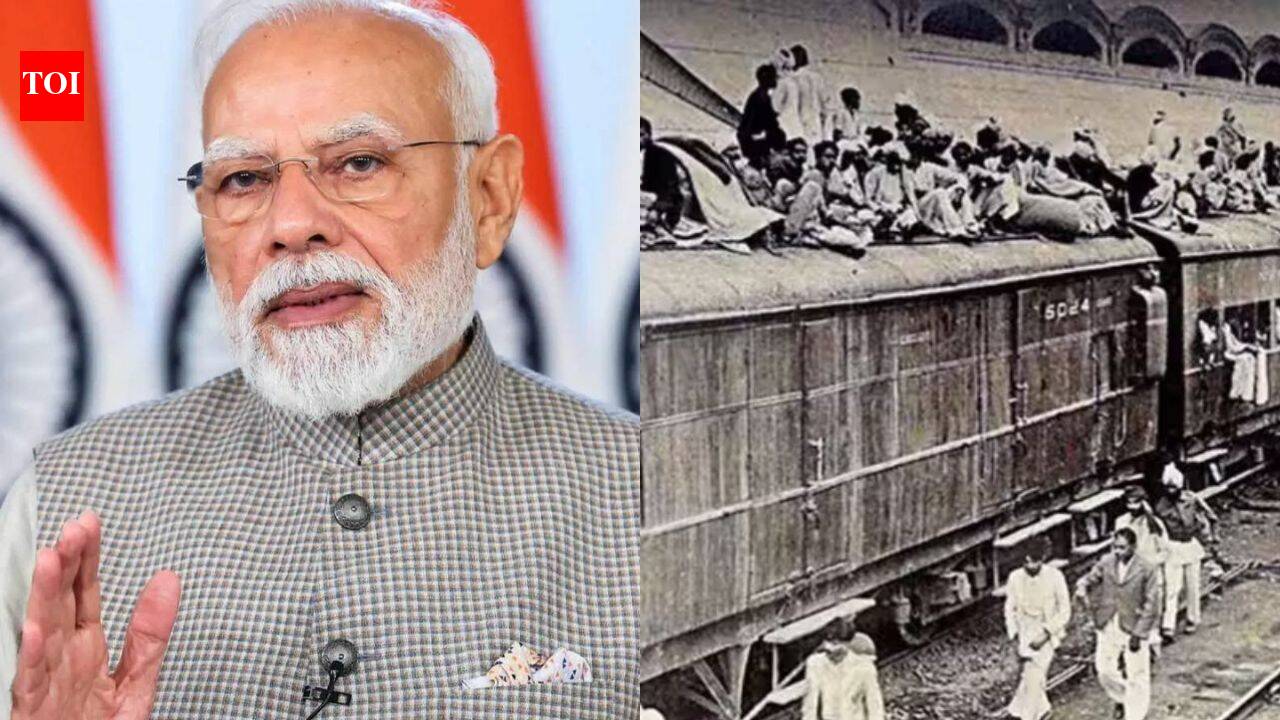
India observes Partition Horrors Remembrance Day to honor the millions affected by the 1947 division of the subcontinent. The commemoration reflects on the immense human cost of the event through historical discourse and cinematic portrayals.
Reflecting on the Partition: A Legacy of Sorrow
The observation of Partition Horrors Remembrance Day serves as a somber reminder of the 1947 division of the Indian subcontinent, an event that fundamentally altered the trajectory of South Asian history. As noted by Prime Minister Narendra Modi, this period represents a moment that shattered countless lives, marking the end of British colonial rule with a transition characterized by widespread suffering rather than mere political transition. This day is dedicated to acknowledging the profound trauma experienced by those caught in the crossfire of geopolitical restructuring.
The Magnitude of Displacement
At the heart of this historical tragedy was one of the largest mass migrations in human history. An estimated 20 million people were uprooted from their ancestral homes, forced to flee across newly drawn borders amidst communal violence and systemic instability. The sheer scale of this displacement highlights the logistical and humanitarian failure of the era, where the promise of independence was eclipsed by the reality of homelessness, loss of life, and the permanent severing of social and familial ties.
Cinematic Narratives of Trauma
In an effort to keep the memory of these events alive, Indian culture frequently turns to cinema to process the collective grief of the Partition. Films serve as essential historical archives, translating the cold statistics of migration into visceral human experiences. By revisiting works that depict the division of India and Pakistan, the public is encouraged to confront the harsh realities of a period that remains a defining, albeit painful, pillar of modern national identity.
Case Study: The Significance of 'Pinjar'
One of the most poignant examples of this storytelling is the 2003 film Pinjar, directed by Chandra Prakash Dwivedi and based on Amrita Pritam’s seminal 1950 Punjabi novel. By focusing on the story of Puro—a Hindu woman abducted amidst the chaos of the partition—the film humanizes the complex intersection of family feuds, religious identity, and the loss of agency that defined the era. Through characters like Puro and her abductor, Rashid, the narrative explores the moral ambiguity and psychological fragmentation caused by the division.
Historical Context and Broader Implications
Understanding the Partition is critical to comprehending the contemporary geopolitical landscape between India and Pakistan. The trauma of 1947 did not end with the migration; it left behind a legacy of disputed borders and ongoing socio-political friction. By remembering these horrors, the nation acknowledges the scars left by the colonial withdrawal, emphasizing the necessity of peace and the preservation of human dignity in the face of political upheaval.
Looking Toward the Future
As time passes, the living memory of those who witnessed the Partition fades, making the role of literature, film, and official remembrance days increasingly vital. These observances ensure that the lessons of 1947—the dangers of communal division and the importance of resilience—are passed on to future generations. Ultimately, Partition Horrors Remembrance Day is not merely about mourning the past, but about fostering a deeper understanding of the fragility of social cohesion and the enduring strength of the human spirit.
Multiple Citing Sources