Pune GRP flags 10 railway accident hotspots
Source Entity
Latest News: Todays Latest News Headlines from India & World | Hindustan Times | Hindustan Times
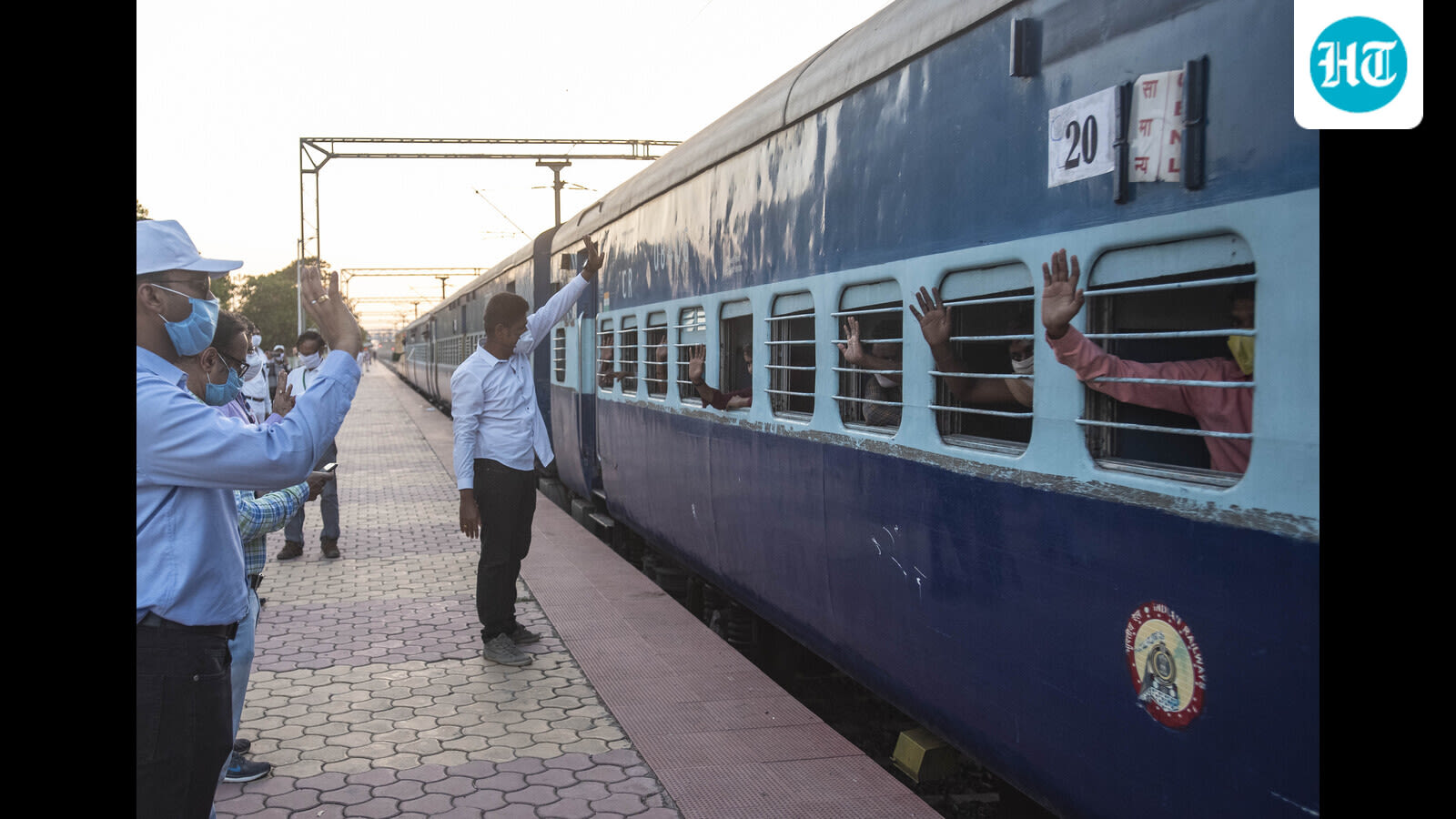
The Pune GRP has identified 10 railway accident hotspots across its jurisdiction to curb fatalities. Senior officers have been assigned to monitor these locations and coordinate with railway authorities to improve safety infrastructure.
Pune GRP Launches Strategic Initiative to Curb Railway Fatalities
The Government Railway Police (GRP) in Pune has taken a proactive step toward public safety by identifying 10 specific railway accident hotspots within its jurisdiction. Recognizing that these areas are frequent sites of trespassing and accidental deaths, the GRP has mandated that a senior police officer be assigned to each location. This oversight structure ensures that accountability is maintained at the ground level, allowing for real-time monitoring and rapid response to potential hazards.
Mapping the Danger Zones
The identified hotspots include Pune, Kasarwadi, Chinchwad, Akurdi, Lonavla, Ahilyanagar, Kolhapur, Pandharpur, Solapur, and Miraj. These locations span a significant portion of the rail network, reflecting the complexity of managing safety in high-density transit corridors. By categorizing these specific stations and track sections as 'hotspots,' the GRP is moving away from reactive policing toward a more predictive, data-driven approach to accident prevention.
Inter-Departmental Coordination
A critical component of this initiative is the GRP's formal request to the Pune railway administration. The GRP has explicitly called for enhanced safety arrangements, emphasizing the need to restrict unauthorized access to the tracks. This communication highlights the necessity of collaboration between law enforcement and railway engineering departments to physically secure the environment, whether through fencing, improved signage, or the installation of barriers to prevent pedestrian encroachment.
Addressing the Root Causes of Trespassing
Railway accidents in India are frequently linked to the phenomenon of track trespassing, which often occurs due to inadequate infrastructure like foot-over bridges or the lack of perimeter fencing in urbanized areas. By pinpointing these 10 locations, the GRP is effectively highlighting where current infrastructure fails to meet the safety needs of the local population. Addressing these gaps is essential for mitigating the risk of fatalities caused by people coming into contact with moving trains.
Implications for Urban Rail Safety
The broader implication of this move is a shift toward localized safety management. As the Pune region continues to undergo rapid urbanization, the pressure on railway infrastructure increases significantly. By assigning senior officers to oversee specific hotspots, the GRP is ensuring that local safety strategies are tailored to the unique challenges of each station, such as high passenger volume or track accessibility issues.
Future Outlook and Sustainability
Moving forward, the success of this initiative will depend on the speed and efficacy of the physical safety measures implemented by the railway administration. If this pilot program proves successful in reducing fatalities across these 10 hotspots, it could serve as a model for other railway divisions across India. Sustained safety, however, will require not just physical infrastructure, but a continuous commitment to patrolling and public awareness campaigns to ensure that commuters prioritize safety over convenience.
Verification Required?