Partition Horrors Remembrance Day: 7 Films Based On The Horrific Division of India and Pakistan
Source Entity
Latest News: Todays Latest News Headlines from India & World | Hindustan Times | Hindustan Times
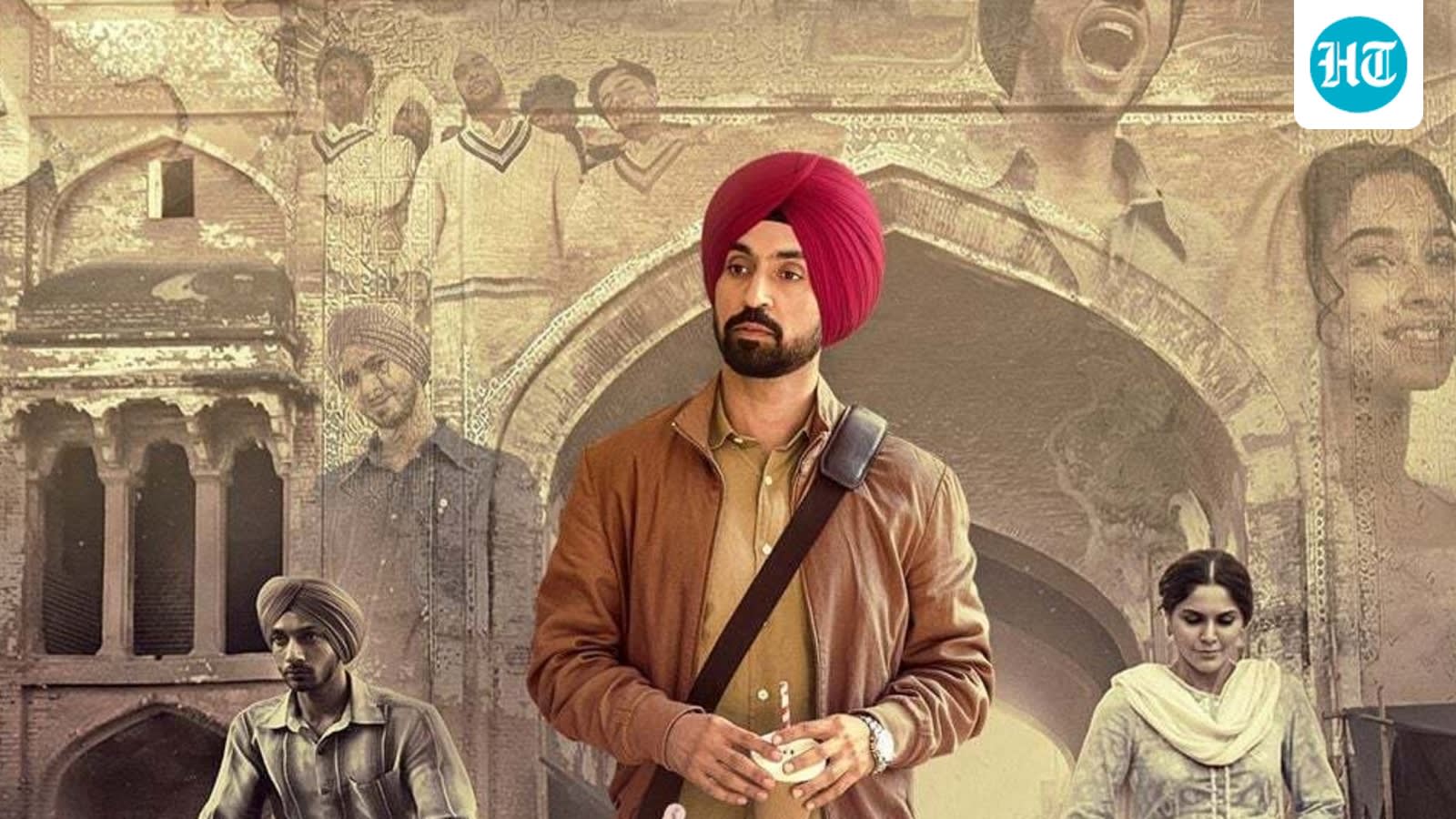
Partition Horrors Remembrance Day honors the 20 million people affected by the 1947 division of India and Pakistan. Through cinematic portrayals and historical reflection, the nation remembers the massive displacement and human suffering caused by the event.
Remembering the 1947 Partition
Partition Horrors Remembrance Day serves as a somber occasion for the nation to reflect on the traumatic events of 1947. The end of British rule in India, while marking the dawn of independence, simultaneously birthed a border that fundamentally altered the geopolitical landscape of South Asia. The division of India and the newly formed Pakistan triggered one of the largest and most chaotic mass migrations in human history, fundamentally reshaping the lives of millions.
The Human Cost of Displacement
Historical records indicate that the Partition affected an estimated 20 million people, forcing them from their ancestral homes into a future of uncertainty. This mass migration was not merely a movement of populations but a period defined by profound loss, communal violence, and the dismantling of long-standing social fabrics. The sheer scale of this displacement remains a defining moment in modern Indian history, leaving scars that continue to influence socio-political discourse today.
Cinematic Representations of Trauma
Art and cinema have played a pivotal role in keeping the memory of this event alive for subsequent generations. Films like Pinjar (2003), directed by Chandra Prakash Dwivedi and based on Amrita Pritam’s seminal 1950 Punjabi novel, provide a harrowing look at the personal toll of the division. By focusing on the story of Puro, a Hindu woman abducted amidst the chaos, the film illustrates how the Partition shattered individual lives and family structures, moving beyond the statistics to highlight the visceral human experience.
Institutional Recognition and Reflection
Prime Minister Narendra Modi has highlighted the significance of this day, describing it as a moment that tore apart countless lives. By officially recognizing August 14 as Partition Horrors Remembrance Day, the government aims to ensure that the agony and sacrifices of those who endured the migration are not forgotten. This institutional focus encourages a collective national introspection on the importance of unity and the dangers of communal division.
Historical Legacy and Future Perspectives
As time progresses, the transition from lived memory to historical study becomes increasingly vital. The narratives captured in literature and film serve as essential archives, preserving the accounts of survivors for researchers and citizens alike. Understanding the nuances of the 1947 division is crucial for fostering a deeper awareness of the complexities of nation-building and the enduring impact that historical border disputes have on regional stability and societal harmony.
Verification Required?