Father watches helplessly, son dies in government ambulance after oxygen runs out
Source Entity
Anand Mohan J
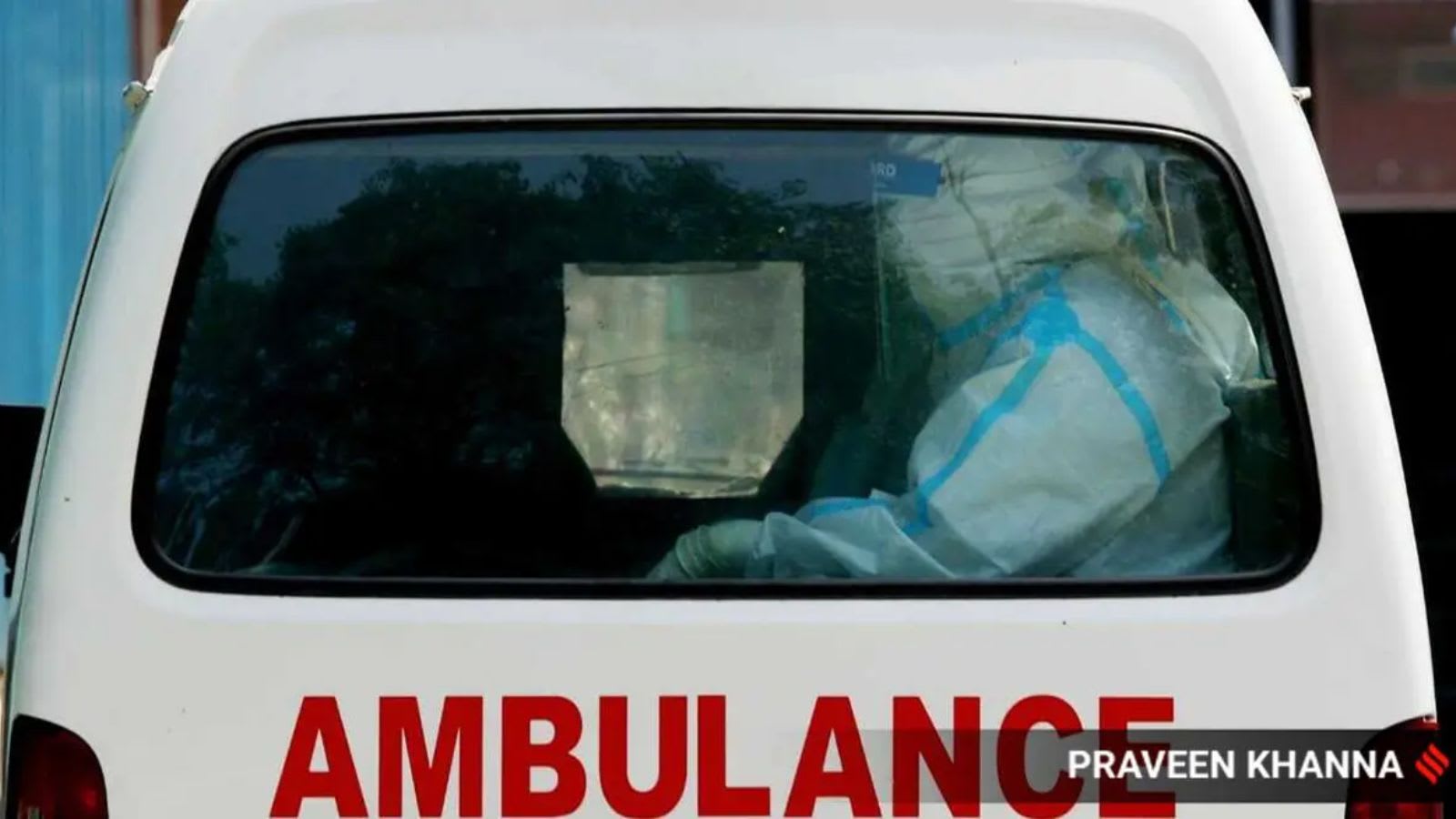
A 21-year-old patient in Madhya Pradesh died after his government ambulance ran out of oxygen during transport. Local authorities have launched a four-member inquiry to investigate potential negligence and systemic failures in the 108 emergency service.
Tragic Failure in Emergency Transport
The death of 21-year-old Ajit Baraiya in Madhya Pradesh’s Mandla district serves as a harrowing reminder of the fragility of public health infrastructure in rural India. Baraiya, who was suffering from chronic kidney disease, was being transported via a government-operated 108 ambulance when the vehicle’s oxygen supply reportedly depleted midway. His father’s helpless observation of his son's final moments has sparked widespread public outrage and demands for accountability.
The Anatomy of a Systemic Failure
At the core of this tragedy is the critical question of operational oversight. The 108 ambulance service is designed to be a lifeline for patients in critical condition, yet the failure to maintain a sufficient oxygen supply suggests a breakdown in basic maintenance protocols. The inquiry, now established by the district administration, must determine if mandatory pre-dispatch checks—which are essential for confirming oxygen levels and equipment functionality—were bypassed or improperly performed.
Accountability and Administrative Response
The appointment of a four-member committee to investigate the incident is a necessary step, but it raises broader concerns regarding the efficacy of such probes. To ensure justice, the investigation must extend beyond the immediate staff on duty. It needs to examine the procurement, supply chain, and maintenance logs of the 108 service providers. Determining whether this was an isolated technical glitch or a symptom of a larger, systemic lack of resource management is vital for preventing future occurrences.
The Rural Healthcare Gap
This incident highlights the stark reality of healthcare accessibility in regions like Mandla. For patients battling chronic conditions such as kidney disease, time and consistent medical support are non-negotiable. When the primary mode of transport fails, the distance between rural homes and advanced medical facilities becomes an insurmountable barrier. This tragedy underscores the urgent need for robust monitoring systems in public emergency services to protect the most vulnerable populations.
Future Implications and Policy Adjustments
Moving forward, the administration must prioritize the digitization of ambulance maintenance records to ensure real-time tracking of critical supplies like oxygen. Relying on manual checklists has proven insufficient in high-stakes emergency environments. By integrating automated alerts for low oxygen levels and enforcing strict accountability for maintenance staff, the state can begin to restore public trust in the emergency response network.
Conclusion
The loss of a young life due to preventable equipment failure is a profound institutional failure. As the four-member inquiry begins its work, the focus must remain on systemic reform rather than mere administrative disciplinary action. Ensuring that every ambulance is fully equipped and rigorously checked is not just a logistical requirement; it is a fundamental duty of the state to its citizens.