‘I really don’t know what happened’: Mike Hesson clears his stance on Mohammad Rizwan, Salman Agha, Imam ul Haq exits
Source Entity
Latest News: Todays Latest News Headlines from India & World | Hindustan Times | Hindustan Times
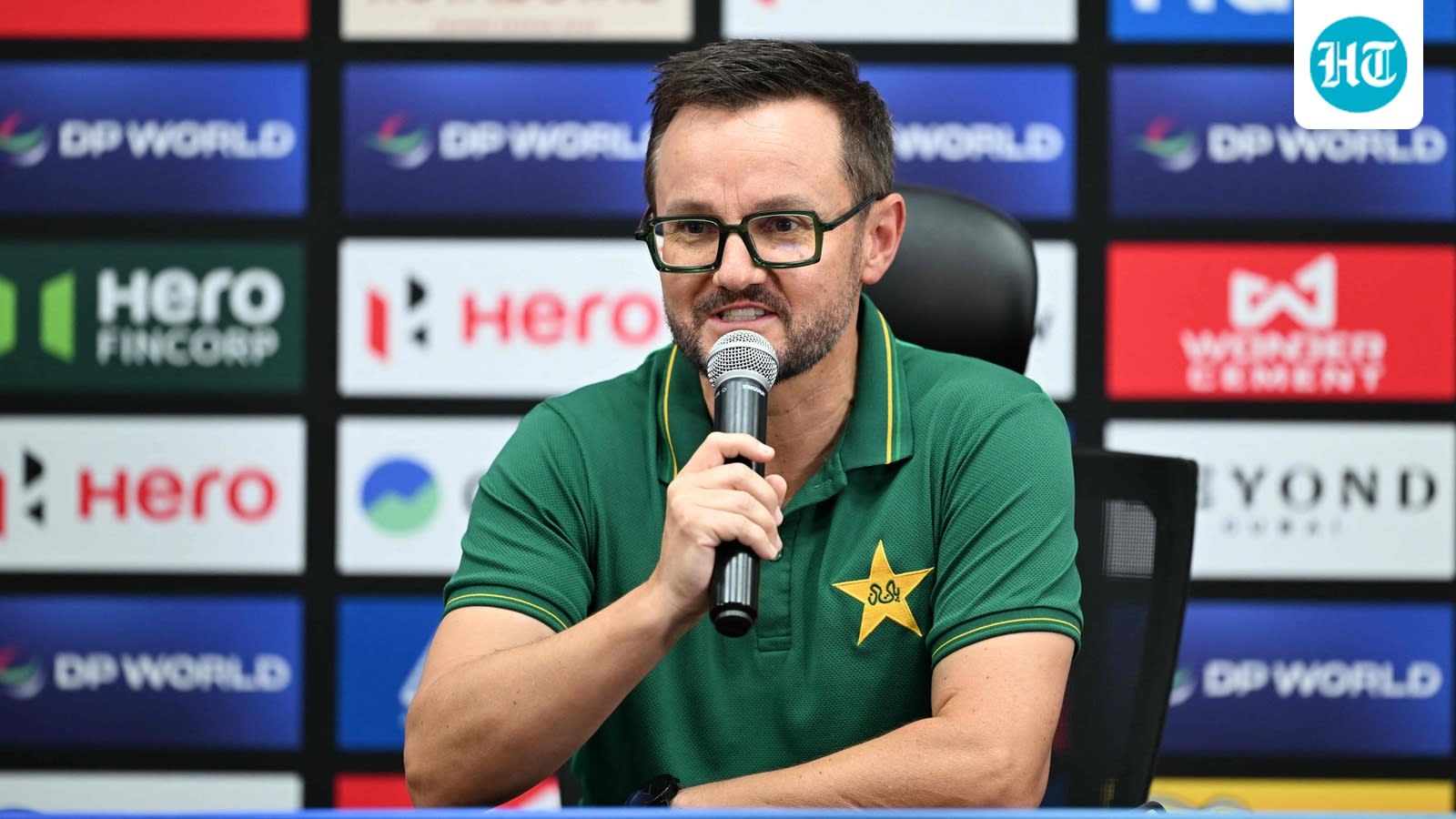
The Pakistan Cricket Board is facing severe international backlash after abruptly dropping seven players and two coaches following consecutive Test defeats. Former England captains Nasser Hussain and Michael Atherton, along with Jason Gillespie, have criticized the board's chaotic management and leadership.
Crisis in Pakistan Cricket: A Board Under Fire
The Pakistan Cricket Board (PCB) is currently embroiled in a significant administrative and sporting crisis following the decision to remove seven players and two coaches from the squad mid-series after two consecutive Test losses in England. This drastic overhaul, which includes the replacement of Test coach Sarfaraz Ahmed with Mike Hesson for the upcoming third Test in Birmingham, has drawn widespread condemnation from the international cricketing community.
Administrative Chaos and Player Welfare
Former England captains Nasser Hussain and Michael Atherton have been vocal in their disapproval of the PCB’s reactive approach. Hussain explicitly labeled the board a "laughingstock," noting that their erratic decision-making has only exacerbated an already fragile team situation. The human element of this crisis remains a primary concern, as Jason Gillespie, the former Test coach, revealed that several players learned of their dismissal through their families rather than through official, respectful channels. This lack of professional communication has sparked debates regarding the board's treatment of its players’ livelihoods.
Leadership and Accountability Issues
The criticism extends to the internal management of the team, particularly the role of Aaqib Javed, the director of high performance and chairman of selectors. Javed has been accused of publicly undermining players, most notably in his televised lambasting of Imam-ul-Haq regarding his commitment following a calf strain. Gillespie’s direct challenge to Javed—telling him to “look in the mirror”—highlights a growing friction between the board’s administrative leadership and the coaching staff, raising questions about who bears ultimate responsibility for the team's performance woes.
Impact on Captaincy and Team Stability
Michael Atherton has further questioned the authority and effectiveness of Babar Azam as captain. The instability caused by the sudden exclusion of key players like Mohammad Rizwan, Salman Ali Agha, and Imam-ul-Haq suggests a breakdown in strategic planning. When a player like Salman Ali Agha can transition from captaining the side in the first Test to being sent home before the third, it signals a lack of consistent vision and undermines the captain's ability to maintain a settled dressing room environment.
Future Implications for Pakistan Cricket
This period of turmoil casts a long shadow over the upcoming third Test. The rapid turnover of personnel and the public airing of grievances suggest a team playing under immense fear and pressure. For the PCB, the challenge now lies in restoring credibility and establishing a coherent long-term strategy that prioritizes stable leadership over reactionary measures. Without a fundamental shift in how the board handles both its players and its public image, the cycle of instability risks further damaging Pakistan’s standing in international Test cricket.
Multiple Citing Sources
Verification Required?