Pennsylvania issues alert on congenital measles—something US hasn't seen for decades
Source Entity
Beth Mole
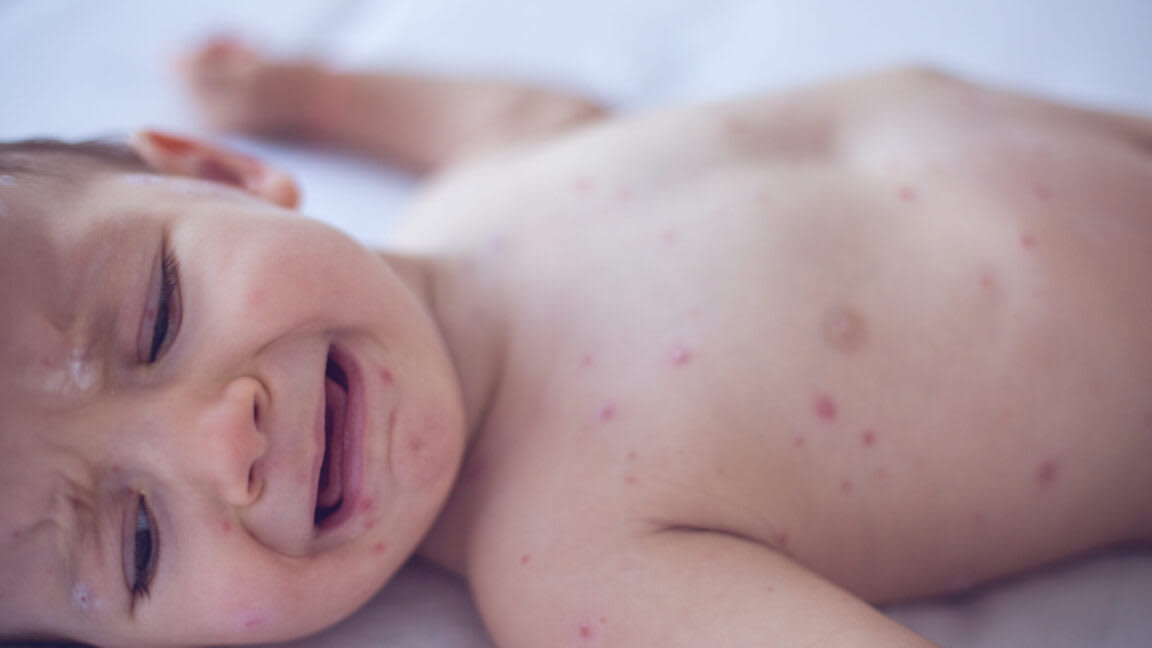
Pennsylvania health officials have issued an alert regarding a rare resurgence of congenital measles, a condition not seen in decades. This outbreak highlights the critical risks posed by declining MMR vaccination rates across the United States.
The Resurgence of Congenital Measles in Pennsylvania
A Rare Public Health Alarm
The Pennsylvania Department of Health has issued a critical health alert following a concerning rise in cases of measles during pregnancy, resulting in the emergence of congenital measles. This development marks a significant shift in the epidemiological landscape of the United States, as congenital measles—a condition where the virus is transmitted from mother to fetus—has been virtually non-existent for several decades. The rarity of this occurrence is underscored by the fact that many current medical practitioners have never encountered such a case in their entire professional careers.
Clinical Implications and Long-term Risks
Congenital measles carries severe, potentially fatal consequences for newborns. Beyond the immediate risk of mortality, infants who survive the infection require intensive, multi-year medical monitoring to address long-term health complications. The health department's recent advisory provides essential clinical guidance to help healthcare providers manage exposures and active cases, emphasizing the need for heightened vigilance in prenatal and neonatal care settings where such expertise has largely been dormant due to the historical success of vaccination programs.
The Impact of Declining Immunization Rates
The core driver of this outbreak is the observed decline in national vaccination rates for measles, mumps, and rubella (MMR). Vaccines have historically acted as a robust shield, nearly eradicating the virus from the American population. However, when community-level immunity wanes, the highly infectious measles virus finds 'footholds' in under-vaccinated pockets. This allows the virus to circulate more freely, inevitably leading to outbreaks that reach vulnerable populations, including pregnant individuals who may not be adequately protected.
Broader Implications for Public Health
This situation serves as a stark reminder of the fragile nature of herd immunity. The re-emergence of a disease that was considered a relic of the past suggests that public trust and adherence to standardized immunization schedules are critical components of national security and public safety. As the outbreak continues to manifest across Pennsylvania, it highlights a systemic vulnerability where the loss of collective immunity directly leads to the reintroduction of dangerous, vaccine-preventable pathogens into the maternal-fetal health ecosystem.
Future Trends and Preventive Measures
Moving forward, the medical community must prioritize re-educating providers on the clinical presentation and management of measles in pregnancy. If vaccination rates do not stabilize or improve, the healthcare system may face increased pressure to manage complex cases that were previously rare. The ongoing situation in Pennsylvania acts as a litmus test for the state's public health infrastructure and a warning to the rest of the nation regarding the necessity of maintaining high coverage rates to prevent the return of preventable diseases.