Pentagon lowers official Iran war death toll, omitting four killed this month
Source Entity
US Top News and Analysis
The Pentagon has revised its official Iran war death toll downward from 18 to 14. This adjustment follows the exclusion of four service members recently killed in Jordan and Iraq from the official count.
Analysis of Pentagon Casualty Reporting Revisions
The Shift in Official Reporting
The Pentagon has recently adjusted its official death toll regarding the ongoing conflict involving Iran, revising the figure from 18 down to 14. This reduction was executed within a single day, signaling a significant shift in how the defense casualty analysis system categorizes military fatalities. By removing four service members who were killed during the current month, the administration has effectively altered the public-facing metric of the war's human cost.
Contextualizing the Exclusions
Reports indicate that the four service members in question—three killed in Jordan and one in northern Iraq—were removed from the official tally following specific administrative decisions. According to military officials, these individuals were struck from the list because their deaths occurred after the administration's policy shift regarding the classification of these engagements. This raises critical questions about the criteria used to define 'hostile' versus 'non-hostile' casualties in complex, multi-theater environments.
Implications of Casualty Data Transparency
Transparency in casualty reporting is a cornerstone of public trust in military operations. With the database currently reflecting that seven of the 14 total deaths are classified as 'hostile,' the exclusion of four additional deaths significantly impacts the statistical profile of the conflict. When official counts are modified, it often triggers debates regarding the transparency of the command structure and the political motivations behind how military engagement is communicated to the public.
Operational Environment and Training
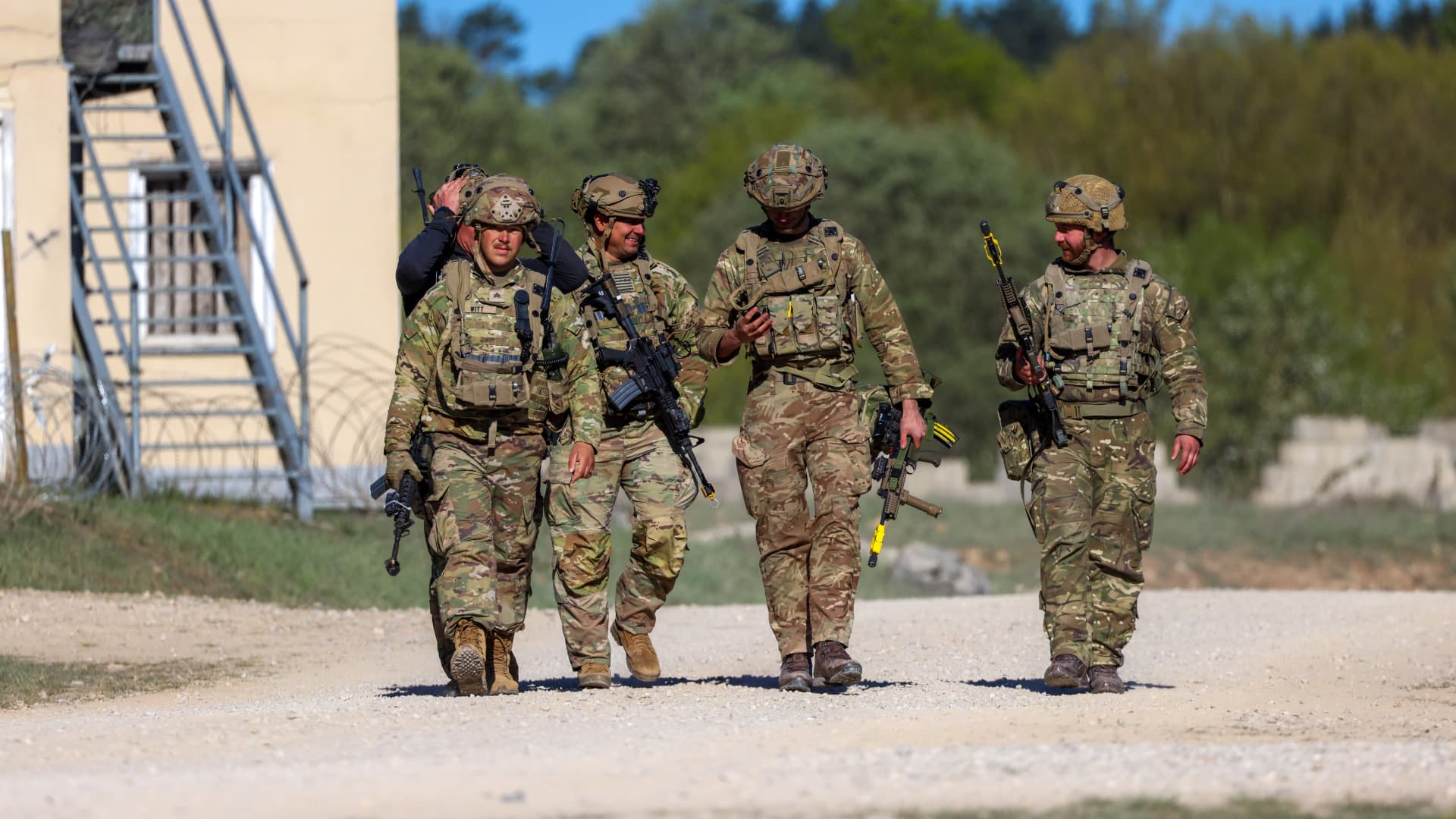
The broader context of these developments involves a highly dynamic operational landscape. As evidenced by recent training exercises like the 'Combined Resolve' drills at the Hohenfels Training Area, the US military continues to prioritize readiness. However, the disconnect between high-intensity training and the realities of active-duty casualties in the Middle East highlights the inherent risks faced by service members stationed in regions like Jordan and Iraq.
Future Trends in Conflict Reporting
Moving forward, the methods used to track and report military losses will likely face increased scrutiny from legislative bodies and the media. The precedent of lowering a death toll based on administrative reclassification could lead to more standardized, albeit potentially controversial, reporting protocols. As the administration navigates the complexities of the conflict with Iran, the accuracy of these casualty statistics will remain a focal point for assessing the strategic success and the human toll of the engagement.
Conclusion
The Pentagon's decision to lower the official death toll to 14 reflects a notable revision in its casualty accounting. While the administration maintains that these adjustments follow established protocols, the removal of four service members killed in Jordan and Iraq underscores the volatile and often ambiguous nature of casualty classification in modern warfare.