Iran war has cost US $37.5bn so far, Hegseth says
Source Entity
BBC News
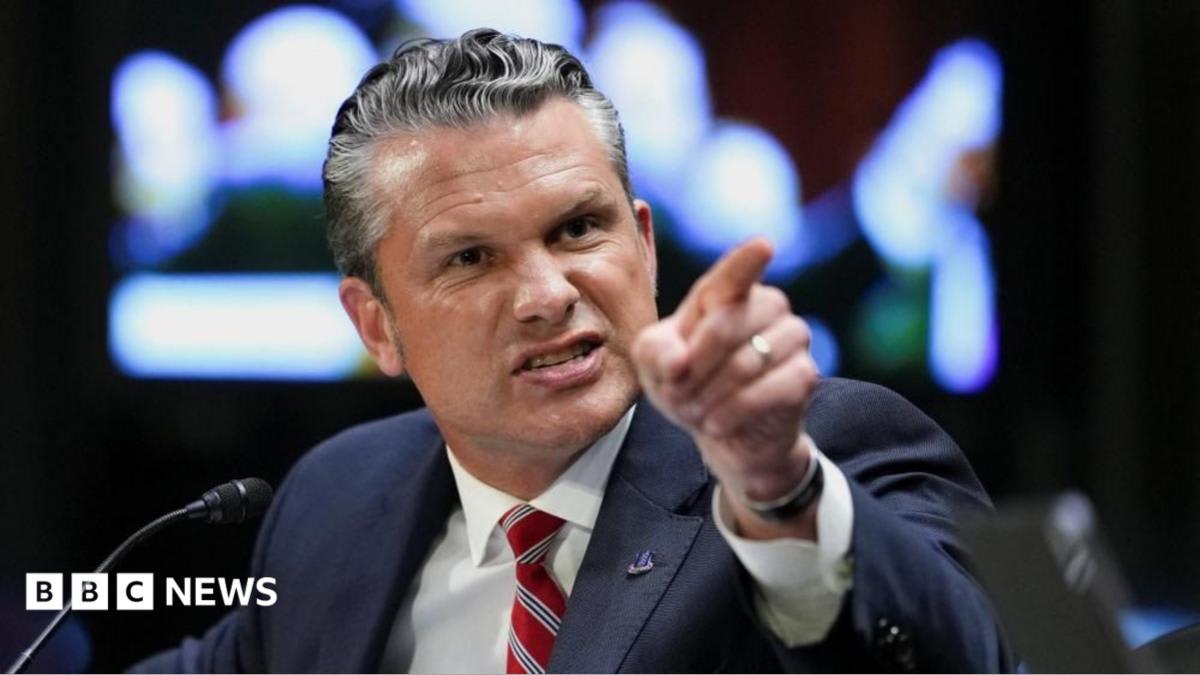
Defense Secretary Pete Hegseth has reported that the U.S. conflict with Iran has reached a cost of $37.5 billion. Hegseth is currently urging the Senate to approve a $1.5 trillion defense budget to sustain operations and prevent critical funding shortfalls.
The Escalating Financial Burden of the Iran Conflict
United States Secretary of Defense Pete Hegseth has officially placed the cumulative cost of the ongoing conflict with Iran at $37.5 billion. This figure represents a significant increase from the $29 billion estimate provided in mid-May, signaling a rapid acceleration in the financial resources required to sustain American military operations in the region. The disclosure was made during a high-stakes Senate appropriations committee hearing, where the administration’s broader fiscal strategy for national defense was under intense scrutiny.
Budgetary Pressures and National Security
During the testimony, Secretary Hegseth, alongside Chairman of the Joint Chiefs of Staff Dan Caine, defended a massive $1.5 trillion defense budget proposal. Within this request, nearly $70 billion is specifically earmarked for the war effort against Iran. Hegseth underscored the urgency of these appropriations, arguing that the Department of Defense faces potential operational crises if the funding is not secured immediately. He explicitly warned that without these resources, the military faces critical shortfalls that threaten the payment of service members and the ability to replenish munitions.
Operational Realities and Strategic Lethality
The financial data emerges against a backdrop of intensifying military engagement. The United States recently completed its 10th consecutive day of strikes, while Iran has responded with its own tactical strikes against U.S. forces and regional allies. Hegseth framed the requested spending as an essential investment in the "lethality" of the U.S. military, emphasizing that these funds are necessary to maintain a competitive edge and prevent adversaries from outpacing American capabilities.
Domestic Opposition and Political Climate
The atmosphere surrounding these hearings has been particularly volatile. Secretary Hegseth’s testimony was repeatedly interrupted by protesters, reflecting the broader domestic unease regarding the scope and duration of the conflict. Furthermore, senators pushed back against the administration’s funding requests, highlighting a growing tension between executive military objectives and legislative oversight. This political friction is exacerbated by the human toll of the conflict, as the Pentagon recently confirmed the loss of three more American service members.
Future Trends and Strategic Outlook
As the war enters a more protracted phase, the fiscal trajectory of the conflict remains a primary concern for policymakers. Hegseth’s justification for the $1.5 trillion budget is rooted in the belief that the current geopolitical climate is increasingly dangerous, requiring "bold and swift action." If the conflict continues to escalate, the $37.5 billion threshold will likely be viewed as merely an early milestone in a much larger and more expensive endeavor. Future trends suggest that the administration will continue to prioritize rapid equipment replenishment and operational sustainment to mitigate the risks posed by the ongoing exchange of strikes with Iranian forces.
Multiple Citing Sources