Opinion: Opinion | Why India Needs Both BRICS And QUAD For Energy Security
Source Entity
NDTV News Search Records Found 1000
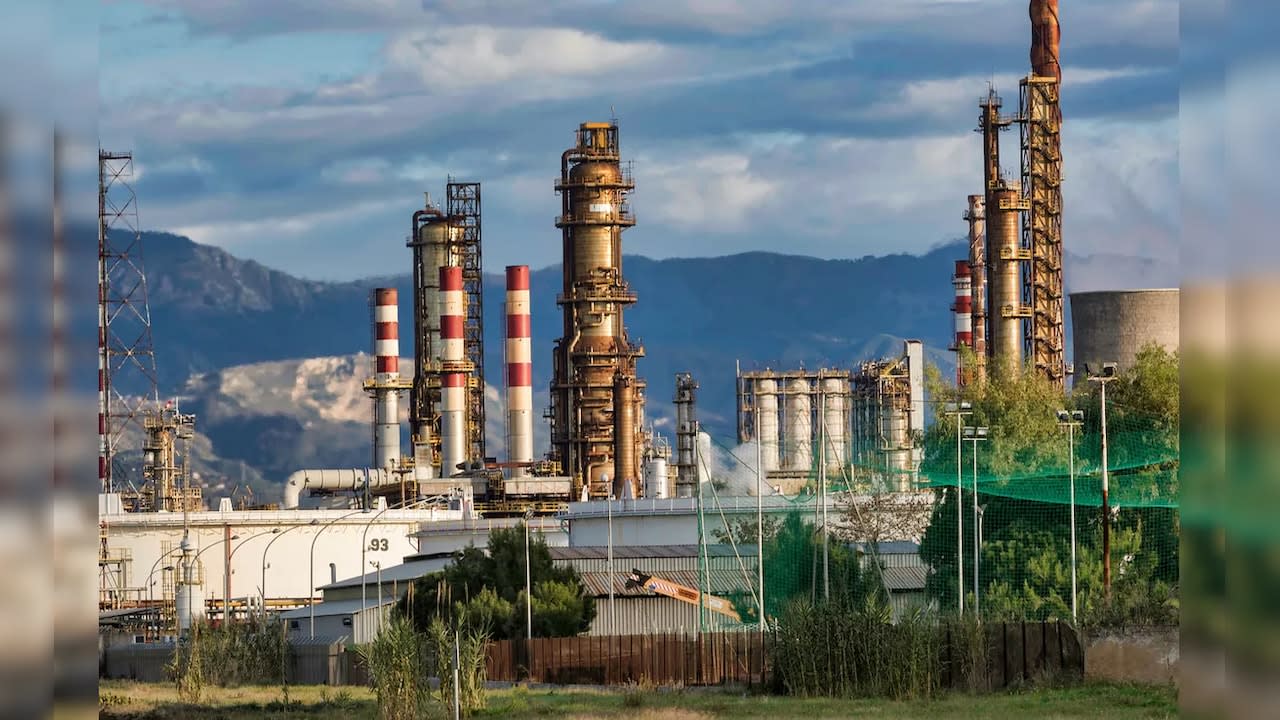
Iranian President Masoud Pezeshkian visited New Delhi for the 18th BRICS summit, highlighting the impact of escalating US and Israeli sanctions on Iran. Prime Minister Modi advocated for dialogue and secure maritime trade routes amid rising tensions in the Middle East.
Tensions Escalate: Pezeshkian’s BRICS Visit and the Geopolitical Standoff
Iranian President Masoud Pezeshkian arrived in New Delhi on Friday to participate in the 18th BRICS summit, a high-stakes diplomatic gathering that has become a focal point for discussions on global economic and security instability. His visit comes at a pivotal moment, as the geopolitical landscape in West Asia is currently defined by a significant spike in tensions following new punitive economic measures imposed by the United States.
The Economic and Security Nexus
At the BRICS Business Forum, President Pezeshkian emphasized that economic security is inextricably linked to national and regional stability. He explicitly characterized the current situation as a 'far more dangerous phase' of economic warfare, attributing this shift to what he termed 'active aggression' by the United States and Israel. The President’s rhetoric underscores the severity of the crisis, suggesting that existing sanctions have transitioned from traditional economic pressure into a more volatile, confrontational dynamic.
The Strait of Hormuz and Global Energy Chains
The significance of this conflict extends far beyond borders, impacting global energy supply chains. Prime Minister Narendra Modi, during his bilateral meeting with President Pezeshkian, highlighted the critical need for freedom of navigation in the Strait of Hormuz. This maritime chokehold has been under immense strain since the U.S.-Israel coalition military actions on February 28, which effectively disrupted the flow of energy resources, threatening the stability of global markets.
India’s Diplomatic Balancing Act
Prime Minister Modi’s call for 'dialogue and diplomacy' reflects India’s traditional approach to navigating complex regional conflicts. By hosting the Iranian leader during the BRICS summit, India is positioning itself as a neutral arbiter capable of engaging with multiple stakeholders. The discussions between the two leaders aimed to preserve the continuity of energy and commercial ties, which remain vital for India’s economic growth despite the external pressure exerted by Western sanctions.
Future Implications and Regional Stability
The rhetoric used by President Pezeshkian—labeling the U.S. and Israel as 'bullies'—suggests that Iran is unlikely to capitulate to the current economic pressure. As the BRICS summit progresses, the focus remains on whether these diplomatic channels can mitigate the risk of further military escalation. If the current trajectory of 'active aggression' continues, the global community may see further volatility in maritime trade routes and a hardening of alliances, placing the burden of de-escalation on multilateral forums like BRICS to find a sustainable path forward.
Multiple Citing Sources
Verification Required?