Male tiger, Explorer, attacks two buffaloes in Kakinada district
Source Entity
India Latest News: Top National Headlines Today & Breaking News | The Hindu
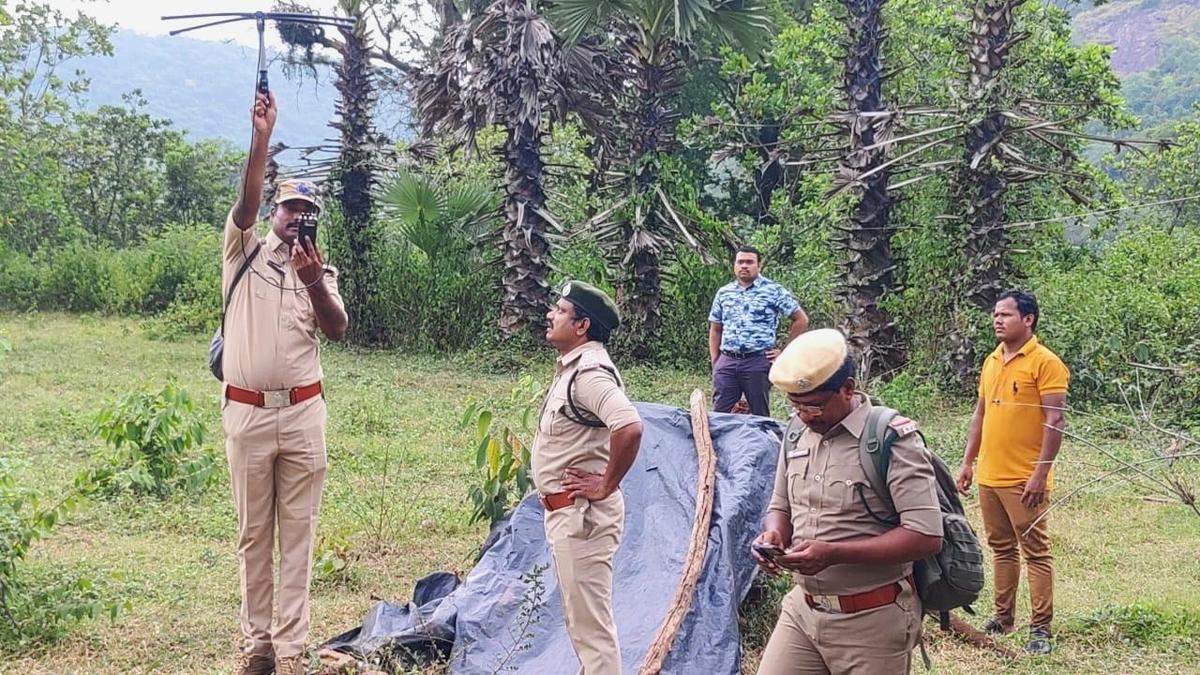
A male tiger named Explorer has moved into Kakinada district, resulting in the death of one buffalo and the injury of another. Forest officials have intensified tracking efforts to monitor the animal and ensure public safety.
The Migration of 'Explorer': A Wildlife Conflict in Kakinada
Recent reports from the Kakinada district indicate a significant wildlife management challenge following the arrival of a male tiger, identified by authorities as 'Explorer.' The feline, which crossed the Godavari river approximately one week ago, has traversed from Rajavommangi in the Polavaram district, marking a notable shift in its territorial movement patterns. This migration into the Avelthi village of Sankavaram mandal has brought the apex predator into direct contact with human settlements and livestock.
Incident Details and Immediate Impact
On Thursday night, the tiger engaged in a predatory encounter with local livestock, resulting in the death of one buffalo and leaving a second animal injured. Kakinada District Forest Officer N. Ramachandra Rao confirmed the incident through an official statement on Friday. This event serves as a stark reminder of the volatile nature of human-wildlife co-existence when large carnivores venture outside of protected forest corridors in search of prey.
Historical Movement Patterns
Data regarding 'Explorer' suggests that this is not an isolated incident of wandering. The tiger has reportedly followed the same migratory route twice since February. This repetitive behavior indicates that the animal has established a habitual path, which poses a unique challenge for forest officials attempting to manage its movements and minimize potential conflicts with local communities.
Forest Department Response and Strategy
In response to the attack, the Forest Department has mobilized specialized tracking teams to the site of the incident. The objective is twofold: to maintain constant surveillance of the tiger’s movements and to provide real-time alerts to the residents of nearby villages. By intensifying monitoring, officials hope to prevent further livestock loss and, more importantly, ensure the safety of the local human population.
Broader Implications for Wildlife Management
The movement of a tiger across district boundaries highlights the necessity for integrated conservation strategies that account for wildlife corridors. When predators traverse agricultural or residential zones, the risk of negative interactions increases significantly. The Kakinada Forest Department's proactive approach—combining field tracking with community communication—is essential for mitigating these risks.
Future Trends and Conclusion
As 'Explorer' continues its journey through the district, the primary focus remains on the balance between wildlife protection and public security. Future management trends will likely involve increased satellite tracking or camera trap surveillance to better predict the tiger's trajectory. The resolution of this situation will depend on the effectiveness of the current monitoring efforts and the cooperation of the local villagers in adhering to safety advisories issued by the Forest Department.
Verification Required?