Is de-dollarisation here? Putin's top aide claims Russia's 90% of BRICS trade now bypasses dollar
Source Entity
Latest News: Todays Latest News Headlines from India & World | Hindustan Times | Hindustan Times
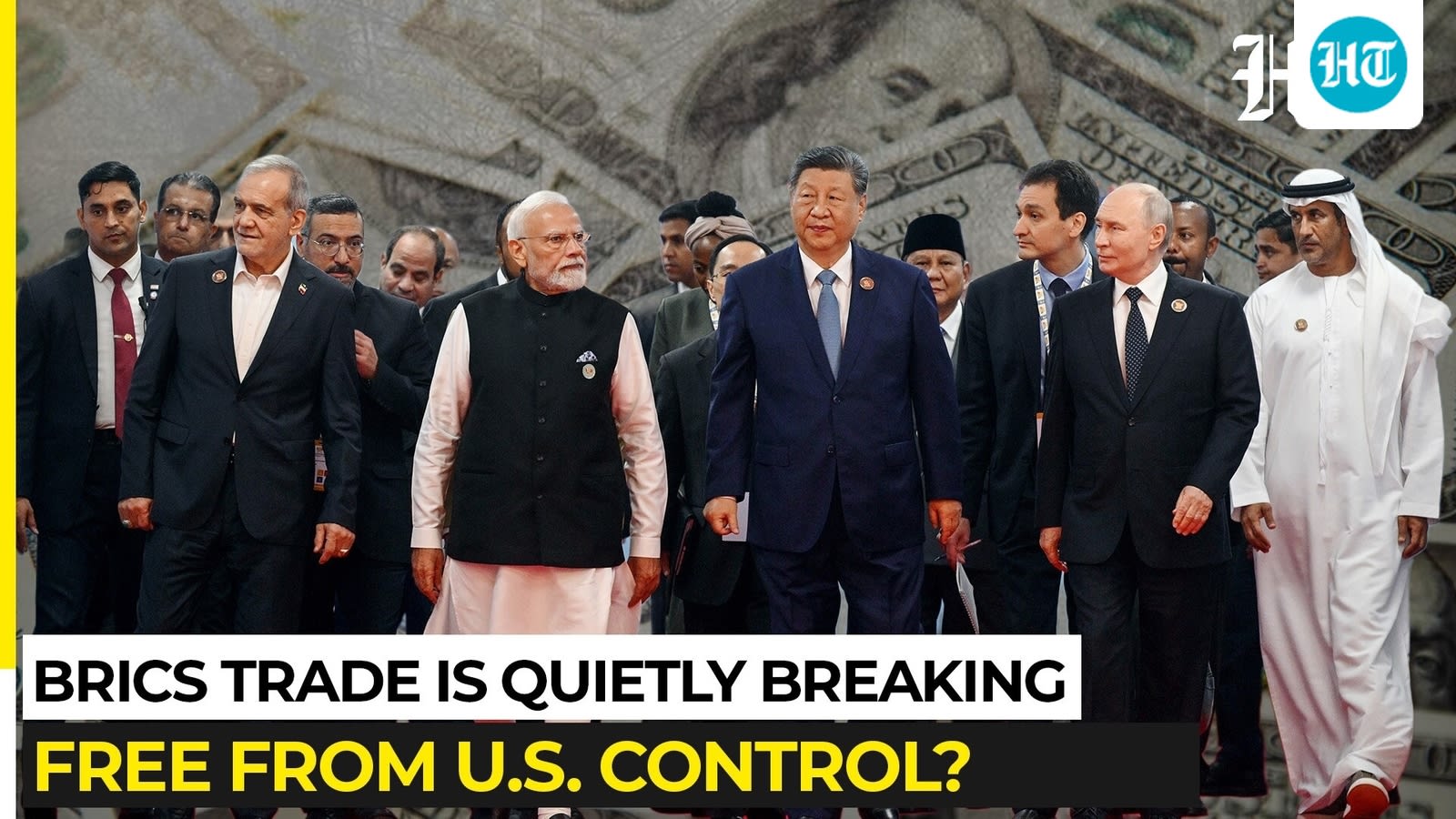
Russia claims over 90% of its trade with BRICS nations now uses national currencies instead of the U.S. dollar. Kremlin officials attribute this shift to Western sanctions, which they argue forced Moscow to develop more effective alternative payment systems.
The Shift Away from the Greenback: Analyzing Russia's BRICS Trade Strategy
Recent statements from the Kremlin indicate a seismic shift in how Russia conducts international commerce. According to presidential aide and spokesperson Dmitry Peskov, more than 90% of Russia's trade transactions with BRICS member nations are now settled using national currencies rather than the U.S. dollar. This development, highlighted during the recent BRICS summit, serves as a significant marker in the ongoing discourse regarding global de-dollarisation.
The Catalyst of Sanctions
The fundamental driver behind this transition, as articulated by Moscow, is the restrictive financial policy enacted by Washington. By limiting Russia's access to the traditional dollar-denominated global financial system, the U.S. inadvertently catalyzed a search for alternatives. Peskov argues that these sanctions transformed the dollar from a neutral global reserve currency into a tool of political pressure, compelling Russia to prioritize autonomy and resilience in its economic dealings with strategic partners.
Efficiency and Multipolarity
Beyond the necessity of bypassing sanctions, Russia contends that the shift toward national-currency settlements has proven to be a strategic upgrade. Moscow claims that these alternative payment mechanisms are not only necessary but "much more effective" for trade within the BRICS framework. This narrative aligns with the broader BRICS vision of a multipolar world order, where economic power is decentralized and less susceptible to the geopolitical influence of a single nation or currency.
The Role of Strategic Alliances
Central to this shift is the strengthening of diplomatic and economic ties between key BRICS players. Peskov specifically highlighted the deepening relationship between President Vladimir Putin and Prime Minister Narendra Modi, underscoring how personal diplomacy acts as a foundation for economic integration. These bilateral efforts facilitate the infrastructure necessary for local currency trade, effectively insulating member states from external financial volatility.
Long-term Implications for Global Finance
The move toward local currency settlement represents a broader trend of financial fragmentation. While the U.S. dollar remains the dominant global reserve currency, the persistent efforts of BRICS nations to establish independent clearing and settlement systems suggest a long-term trend toward regionalized trade blocs. If these alternative systems prove scalable and secure, the ability of Western powers to use financial exclusion as a primary diplomatic lever may be significantly diminished in the coming decades.
Conclusion: A New Economic Reality
Whether this transition marks the beginning of a genuine decline in dollar hegemony or merely a niche adaptation to geopolitical reality remains a subject of intense debate. However, the data presented by the Kremlin suggests that for Russia and its BRICS partners, the transition is already well underway. As these nations continue to refine their payment systems, the global financial landscape will likely continue to evolve toward a more fragmented, multipolar structure.
Verification Required?