A woman was arrested in Philly for blocking a delivery robot
Source Entity
Terrence O’Brien
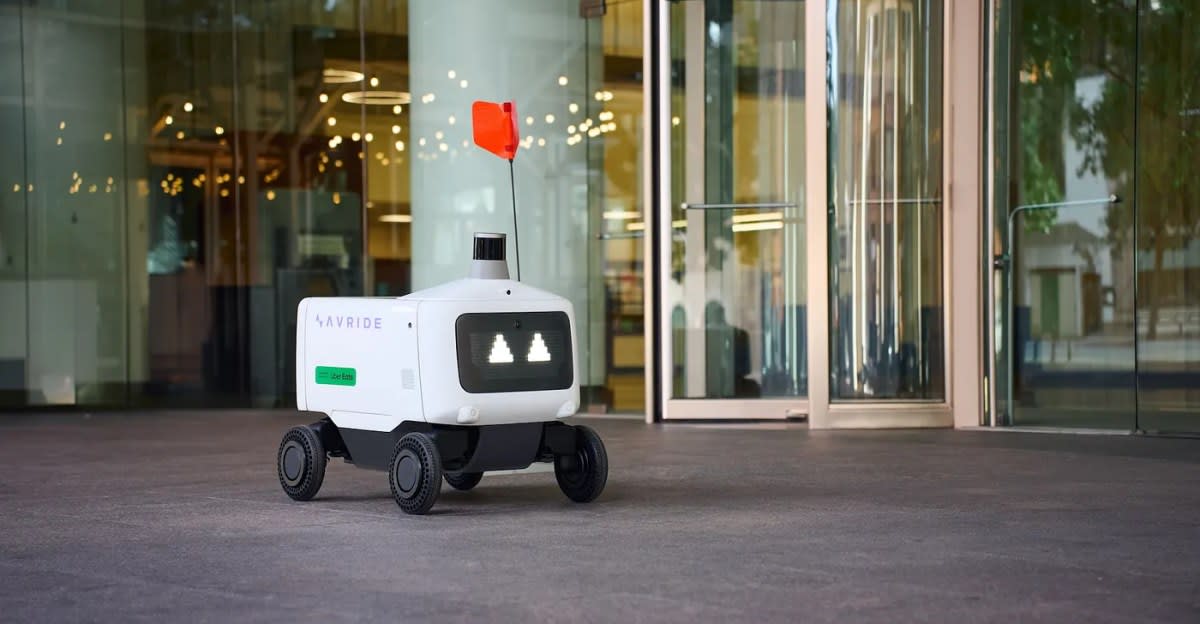
A Philadelphia woman was arrested for disorderly conduct after intentionally blocking an Uber delivery robot to protest job displacement. The incident highlights rising tensions between labor advocates and the deployment of autonomous delivery technology.
The Intersection of Protest and Automation: A Philadelphia Case Study
Recent events in Philadelphia have brought the simmering tension between labor advocacy and autonomous technology into the public eye. Carolyn Marvin, a local resident, was arrested and charged with disorderly conduct after physically obstructing an Uber delivery robot. This act of civil disobedience was not impulsive; rather, it was a deliberate protest against the encroachment of automation into the gig economy, specifically targeting the displacement of human delivery personnel.
The Motivation Behind the Obstruction
Marvin’s actions, as reported by local media, reflect a growing anxiety regarding the rapid integration of robotic delivery systems in urban environments. By standing in the path of the autonomous unit and refusing to yield even when prompted by law enforcement, Marvin sought to draw attention to the perceived threat these machines pose to human employment. Her statement to ABC13 underscores a fundamental ideological conflict: the efficiency and cost-effectiveness of AI-driven logistics versus the preservation of human-centric labor models.
Legal and Social Implications
From a legal standpoint, the arrest centers on the charge of disorderly conduct. While the right to protest is protected, the specific act of impeding the movement of a commercial vehicle—even an autonomous one—has crossed a threshold that local authorities are unwilling to tolerate. This incident raises critical questions about how municipalities should balance public safety and the free movement of autonomous technology with the public's right to express dissent against corporate automation strategies.
The Broader Tech Landscape
This confrontation is indicative of a broader trend in the tech industry where hardware is increasingly deployed in public spaces with minimal friction. Companies like Uber view these robots as essential components of a scalable, future-proof delivery infrastructure. However, as these robots become more common, they are likely to encounter more instances of public pushback, ranging from vandalism to organized protest, as citizens grapple with the tangible effects of automation on their local economies.
Future Trends and Conclusion
As we look forward, the incident in Philadelphia serves as a harbinger of the friction likely to occur as autonomous systems become ubiquitous. If developers and city planners do not foster a transparent dialogue with the communities in which these robots operate, such confrontations may become more frequent. Ultimately, the balancing act between technological advancement and labor stability remains a defining challenge of our era, and this case highlights that the transition to an automated future will not be without significant social resistance.