Video game ownership bill introduced in Congress
Source Entity
Terrence O’Brien
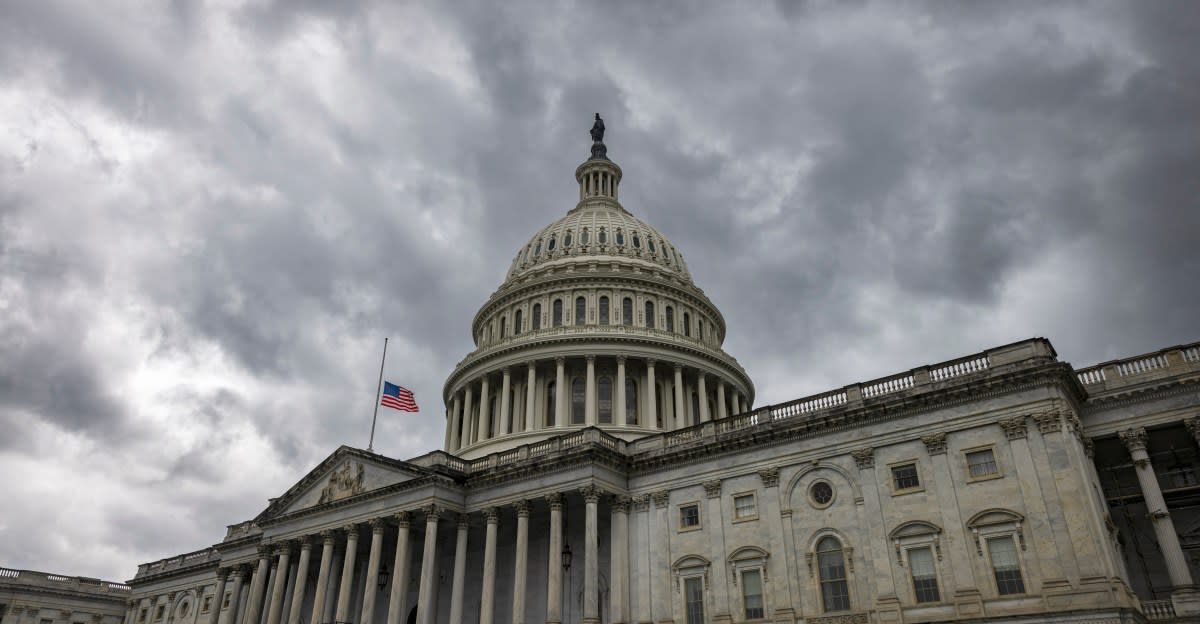
Rep. Ritchie Torres has introduced the Power To The Players Act to address the loss of digital game access. The bill aims to mandate true consumer ownership, moving away from current restrictive licensing agreements.
The Shift Toward Digital Ownership
Representative Ritchie Torres of New York’s 15th congressional district has introduced the 'Power To The Players Act,' a piece of legislation aimed at fundamentally altering how consumers interact with digital video game purchases. At the heart of this bill is the transition from a 'licensing' model—where users essentially rent access to software—to a model of genuine ownership. This legislative effort seeks to empower the Federal Trade Commission (FTC) to draft and enforce regulations that ensure when a consumer pays for a game, they are purchasing a tangible asset rather than a revocable permission slip.
The Problem of Server Dependency
The necessity for this bill stems from the modern industry trend of requiring persistent internet connections and server-side authentication for games. While this model supports multiplayer functionality and live-service updates, it creates a catastrophic failure point: when a publisher decides to shutter their servers, the game effectively ceases to exist for the end user. This creates a scenario where consumers are left with 'dead' software, despite having paid full retail prices for access, a practice that critics argue is inherently predatory.
The NBA 2K25 Precedent
Rep. Torres has specifically highlighted NBA 2K25 as a primary example of this issue. The planned delisting of the game from digital storefronts serves as a cautionary tale of how quickly a product can be rendered inaccessible once the publisher decides to pull support. By using this specific instance, the bill underscores the fragility of digital libraries that rely entirely on the goodwill and profitability of the original developer, rather than the rights of the purchaser.
Implications for the Tech Industry
If the Power To The Players Act becomes law, it would force a massive shift in how the gaming industry distributes software. Currently, the gaming industry relies heavily on End User License Agreements (EULAs) to shield companies from liability. If the FTC is empowered to override these agreements, publishers may be forced to implement offline modes or provide local server tools for titles that would otherwise be abandoned. This would represent a significant expansion of consumer protection laws into the realm of digital intellectual property.
Potential Future Trends
Should this legislation pass, it could set a precedent for other digital goods beyond video games, including software, music, and e-books. The broader implication is that digital goods must be treated with the same legal permanence as physical goods. If this bill moves forward, we can expect heavy lobbying from major publishers who fear that the loss of control over their server infrastructure will disrupt their current 'Games as a Service' (GaaS) business models, which rely on the planned obsolescence of older titles to drive sales of newer iterations.
Conclusion
The introduction of the Power To The Players Act marks a significant turning point in the relationship between tech giants and consumers. By questioning the validity of licensing agreements that strip users of their purchases, Rep. Torres is initiating a long-overdue conversation about digital rights. While the bill faces a complex path to enactment, it serves as a critical signal that lawmakers are beginning to prioritize consumer permanence in an increasingly ephemeral digital landscape.