Philippines seeks ‘new equilibrium’ with China despite territorial row as its President heads to Shenzhen
Source Entity
Latest News: Todays Latest News Headlines from India & World | Hindustan Times
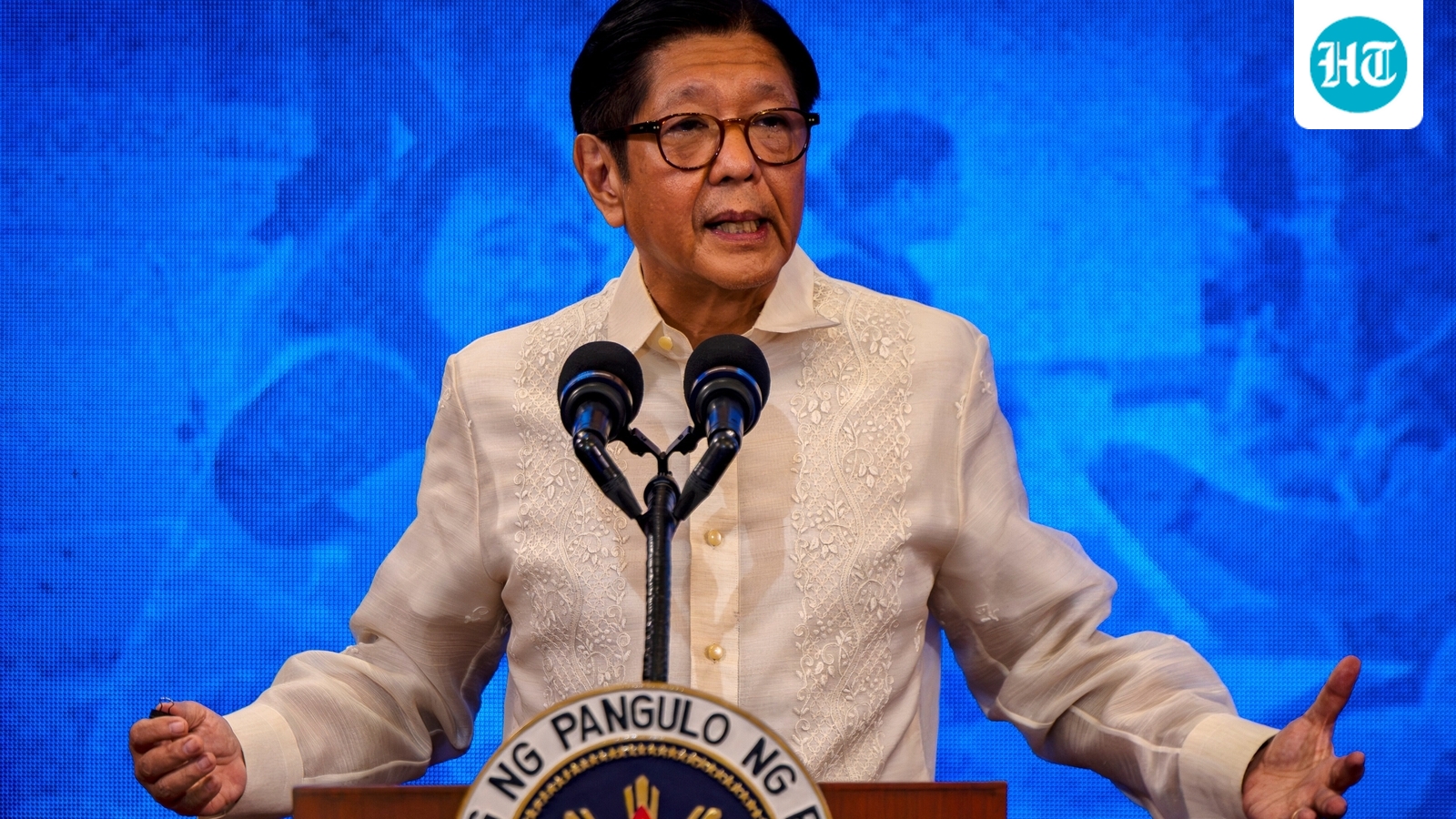
The Philippines is pursuing a 'new equilibrium' in its strained relationship with China through renewed diplomatic dialogue. Ambassador Jaime FlorCruz emphasized this approach ahead of President Marcos Jr.'s upcoming visit to Shenzhen for the APEC summit.
Navigating the South China Sea: The Quest for a New Equilibrium
As tensions in the South China Sea continue to reach a fever pitch, the Philippines is signaling a strategic pivot toward diplomatic recalibration. Ambassador Jaime FlorCruz recently articulated a vision for a 'new equilibrium' in bilateral relations with Beijing, emphasizing that Manila remains committed to dialogue despite the profound territorial disputes that have defined the relationship in recent years. This diplomatic overture comes at a critical juncture, just as President Ferdinand Marcos Jr. prepares to travel to Shenzhen for the upcoming APEC summit, marking a significant moment for regional stability.
The Duality of Philippine Policy
The current state of Philippine-China relations is marked by a clear internal friction between diplomatic outreach and national security assertiveness. While Ambassador FlorCruz advocates for de-escalation and communication, his stance stands in stark contrast to the more hawkish rhetoric emanating from other members of the Marcos administration, most notably Defense Secretary Gilberto Teodoro. This internal divide reflects the broader difficulty the Philippines faces in balancing its sovereign claims in the South China Sea with the economic reality of its largest trading partner.
Historical Context and Geopolitical Pressures
Historically, the relationship between Manila and Beijing has fluctuated between periods of economic cooperation and intense maritime friction. In recent years, the situation has deteriorated sharply as the Philippines has sought to reinforce its territorial claims, often bolstered by a strengthening security alliance with the United States. This geopolitical triangulation—where Manila seeks to maintain its sovereign integrity while navigating the influence of two competing superpowers—has created a volatile environment that threatens to disrupt regional trade routes and maritime security.
Implications of the Upcoming APEC Summit
President Marcos Jr.’s trip to Shenzhen for the APEC summit provides a high-stakes platform for this proposed dialogue. By choosing to prioritize direct engagement, the administration is attempting to prevent the current territorial row from spiraling into a total diplomatic freeze. The success of this 'new equilibrium' will likely depend on whether both nations can separate their maritime disagreements from the essential economic and regional security discussions necessary for a functional bilateral relationship.
Future Trends and Regional Stability
Looking ahead, the trajectory of this relationship remains precarious. If the Philippines can successfully leverage diplomatic channels to maintain a working relationship with China, it may serve as a template for other ASEAN nations grappling with similar territorial complexities. However, if the divergence between diplomatic overtures and defense-focused policies continues to widen, Manila may face increasing pressure to solidify its alliances, potentially further alienating Beijing. The coming weeks will be a litmus test for whether diplomacy can truly offset the mounting tensions in one of the world's most critical maritime corridors.
Verification Required?