{Piyush Desai • 1939-2026}: An industry veteran who believed ‘tea can dissolve differences’
Source Entity
Leena Misra
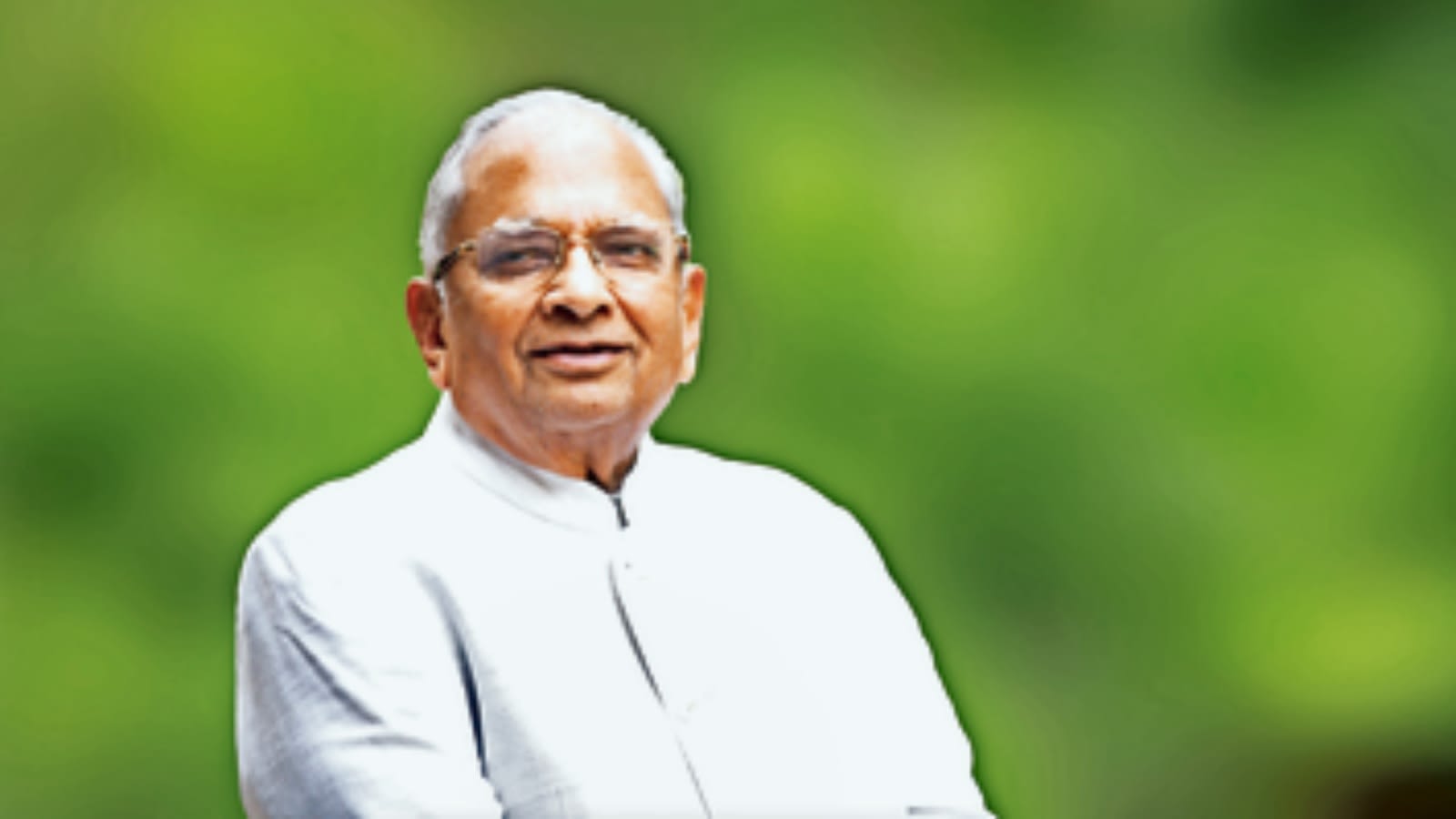
Piyush Desai, the Chairman of Wagh Bakri Tea Group, has passed away at 86. He was a celebrated tea taster and philanthropist known for upholding the brand's philosophy of unity and social harmony.
The Legacy of Piyush Desai: A Life Dedicated to Unity
The passing of Piyush Desai, the Chairman of the Ahmedabad-based Wagh Bakri Tea Group, on September 15 at the age of 86, marks the end of an era for one of India’s most iconic family-run business houses. Described by those who knew him as a dedicated tea taster, a committed philanthropist, and a passionate lover of Indian music, Desai represented the bridge between the company's historical roots and its modern-day stature as a household name in the tea industry.
Historical Foundations and Gandhian Roots
The history of Wagh Bakri is deeply intertwined with the Indian struggle for independence. The company’s journey began with Narandas Desai, Piyush’s grandfather, who managed a tea estate in Durban, South Africa, in 1892. During his time in South Africa, Narandas interacted with Mahatma Gandhi, eventually returning to India in 1919 with a certificate of recognition from the leader. This association with Gandhian ideals instilled a sense of social responsibility that would define the family business for generations.
The Symbolism of the 'Wagh Bakri' Brand
Upon returning to Ahmedabad, Narandas founded the Gujarat Tea Depot and introduced the Wagh Bakri brand. The brand’s iconic logo, which depicts a tiger (wagh) and a goat (bakri) drinking from the same cup, serves as a profound visual metaphor for communal harmony and the breaking down of social barriers. This symbolism was not merely a marketing tactic but a core philosophy that Piyush Desai embodied throughout his tenure as Chairman.
Leadership and Social Philosophy
Under the leadership of Piyush Desai, the company maintained its commitment to the belief that “tea can dissolve differences.” Those close to him have emphasized that he was a reflection of the brand's ethos, actively rejecting communal discrimination and promoting unity. His approach to business was characterized by a rare blend of professional acumen as a tea taster and an empathetic, philanthropic worldview that sought to foster harmony among diverse consumer bases.
Impact on the Industry and Society
Beyond his corporate responsibilities, Desai’s life serves as a case study in how a brand can successfully integrate social values into its core identity. By prioritizing the idea of unity, Wagh Bakri has successfully navigated the complexities of the Indian market, maintaining brand loyalty across varied demographics. Desai’s death leaves a significant void, but his influence on the company's culture ensures that the values of tolerance and social cohesion remain embedded in the organization's future operations.
Conclusion
Piyush Desai’s life was defined by his ability to merge commercial success with a deeper mission of social connectivity. As the Chairman of Wagh Bakri, he did more than sell a commodity; he upheld a tradition of inclusivity that started with his grandfather’s connection to Mahatma Gandhi. His legacy will undoubtedly continue to influence the trajectory of the Wagh Bakri Tea Group, ensuring that the 'tiger and the goat' remain a lasting symbol of harmony in the Indian tea industry.