Solar Panels That Plug into Your Wall
Source Entity
Hacker News
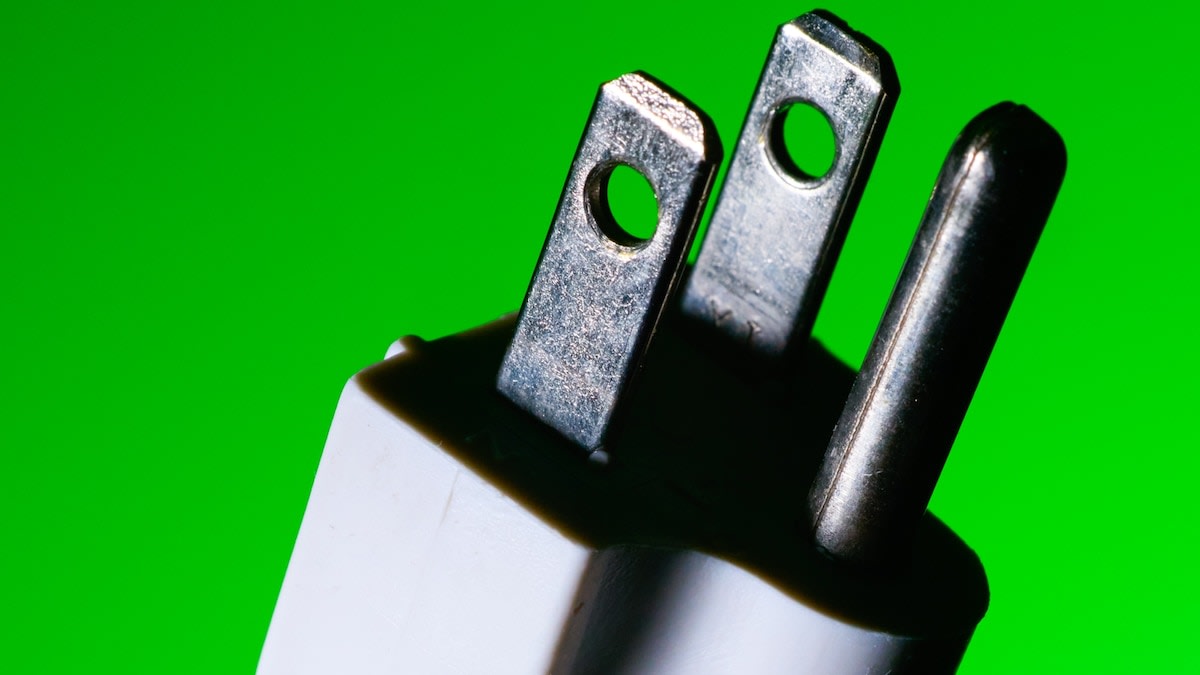
Plug-in solar panel systems are emerging as a convenient renewable energy solution, with new safety standards from UL Solutions addressing potential risks. Expert analysis suggests that concerns regarding grid safety and fire hazards in older homes are largely unsubstantiated.
The Rise of Plug-in Solar Technology
The integration of renewable energy into residential environments is undergoing a significant transformation with the introduction of plug-in solar panels. Unlike traditional rooftop installations that require complex electrical work and utility-grade permitting, these modular systems allow homeowners to feed solar energy directly into their existing household circuits via standard wall outlets. This democratization of energy production promises to lower the barrier to entry for sustainable living, allowing renters and apartment dwellers to participate in the green energy transition.
Addressing Grid Safety Concerns
A primary point of contention regarding these systems has been the fear that they might inadvertently export power back to the municipal grid, posing a risk of electrocution to utility workers performing repairs. However, research conducted by experts like Pearce indicates that no microinverters currently sold in the U.S. market are designed to operate in a way that would energize a downed grid line. The technology is inherently restricted to local consumption, effectively mitigating the threat to utility personnel and ensuring that the safety of the broader electrical infrastructure remains uncompromised.
Regulatory Progress and Standardization
The industry has taken a major step toward mass adoption with the involvement of UL Solutions, which has recently established formal safety standards for plug-in solar systems. By certifying the first manufacturer, UL Solutions provides a benchmark for quality and safety that regulators and consumers can trust. This regulatory framework is essential for scaling the technology, as it moves plug-in solar from a niche, experimental phase into a standardized consumer appliance category.
Evaluating Fire Hazards in Aging Infrastructure
Critics have frequently cited the potential for fire hazards in older residential wiring as a major barrier to the widespread use of plug-in solar. These concerns stem from the possibility of circuits being overloaded or improperly managed. However, international data suggests these fears are largely theoretical; in Europe, where such systems have seen widespread adoption, there have been no recorded instances of fires caused by these units. This historical precedent offers a strong empirical foundation for the safety profile of these devices.
The Future of Residential Energy
Recent testing by the British government confirms that while minor technical issues—such as the speed at which circuit breakers trip during extreme stress—have been identified, the products do not pose a direct electrical hazard. As manufacturers iterate on their designs to improve performance and responsiveness, these small technical hurdles are likely to be resolved. The trajectory for plug-in solar is one of refinement rather than radical redesign, pointing toward a future where renewable energy is as accessible as plugging in a household appliance. By balancing innovation with rigorous safety testing, this technology stands to become a cornerstone of decentralized, residential energy production.