PM Modi likely to visit Canada in December to lock in trade deal: Mark Carney
Source Entity
ROHITASHWA RANJAN
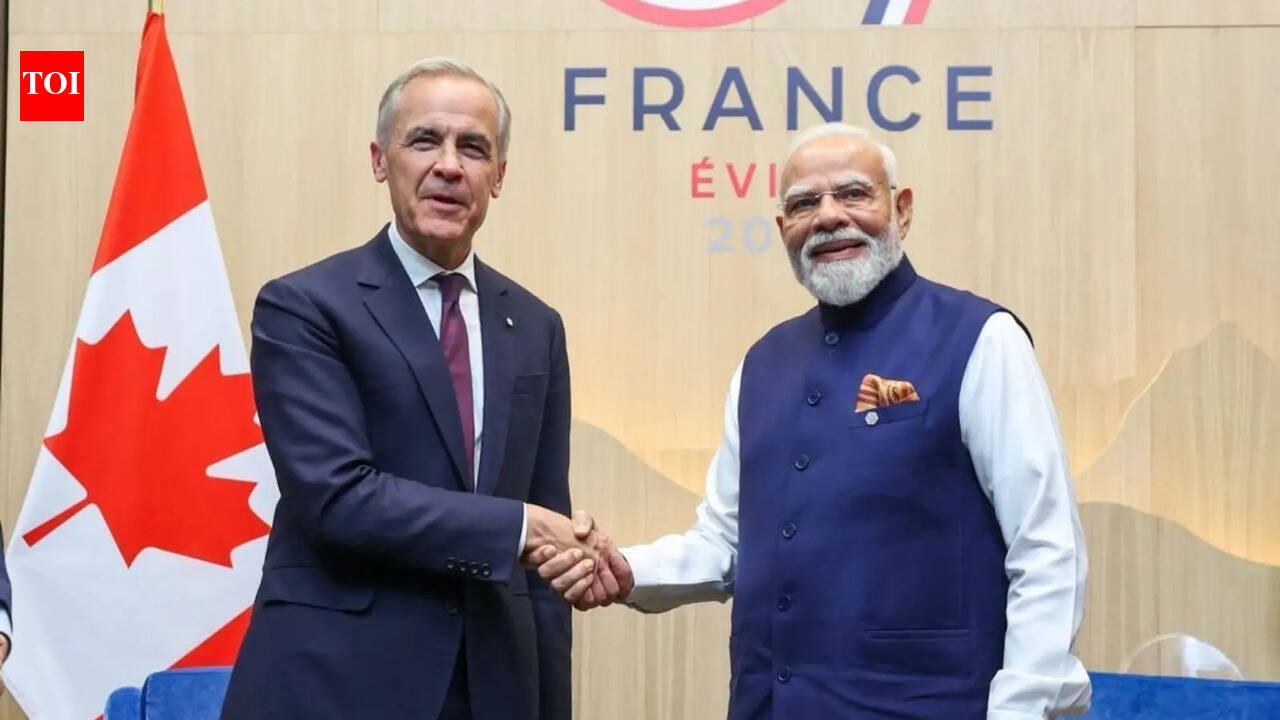
Prime Minister Narendra Modi is reportedly planning a December visit to Canada to finalize a trade deal. Simultaneously, the Indian government is holding a two-day 'Chintan Shivir' to outline future policy priorities and reform agendas.
Strengthening Global Ties: The India-Canada Trade Outlook
Recent reports indicate that Prime Minister Narendra Modi is likely to visit Canada in December, a strategic move aimed at finalizing a long-awaited trade agreement between New Delhi and Ottawa. Canadian Prime Minister Mark Carney, speaking on the sidelines of the UN General Assembly in New York, emphasized the significance of the bilateral relationship, describing it as "exceptionally important." This potential diplomatic visit underscores a concerted effort by both nations to overcome negotiation hurdles and solidify an economic partnership by the end of the year.
The Economic and Strategic Mandate
Trade negotiations between India and Canada have been a subject of significant interest, given the potential for expanded market access and investment cooperation. By signaling a December timeline for a deal, both leaderships are highlighting the urgency of securing economic stability amidst a complex global landscape. The emphasis placed by the Canadian administration on this partnership suggests that both countries view the conclusion of this deal as a pivotal milestone for their respective economic agendas.
Domestic Policy and 'Viksit Bharat@2047'
While engaging in global diplomacy, the Indian government is simultaneously recalibrating its domestic roadmap. Prime Minister Modi is set to chair a two-day 'Chintan Shivir'—a brainstorming session for the Union Council of Ministers—at Seva Teerth. This meeting is specifically designed to chart the government’s next set of reforms and priorities, with a primary focus on the 'Viksit Bharat@2047' vision. This long-term framework aims to guide India's development trajectory over the next two decades, ensuring that current policy decisions align with future national goals.
Addressing Demographic Shifts and Mentorship
A significant component of the upcoming government agenda involves adapting to India’s changing demographic profile. Prime Minister Modi has specifically directed ministries to develop initiatives that integrate senior citizens into the workforce and society through mentorship programs. By tasking the social justice ministry with this mandate, the government is signaling a shift toward inclusive governance that leverages the experience of the elderly to support national development goals.
Synthesizing Global and Local Priorities
The convergence of international trade commitments and internal policy restructuring reflects a dual-pronged approach to governance. While the potential visit to Canada highlights India’s proactive stance in international economic diplomacy, the 'Chintan Shivir' demonstrates a commitment to internal administrative efficiency and social welfare. These efforts, combined, suggest a government focused on both securing its position in the global supply chain and preparing for the socio-economic challenges of a rapidly aging and evolving domestic population.
Future Trends and Conclusion
The trajectory of these events points toward a period of intense policy activity in the coming months. If the trade deal with Canada is successfully concluded in December, it will serve as a significant win for the administration’s foreign policy. Concurrently, the outcomes of the 'Chintan Shivir' will likely define the legislative and administrative priorities for the upcoming year, specifically regarding how India balances its ambitious 'Viksit Bharat' economic goals with the social necessity of elder care and mentorship. The synergy between these global and local initiatives will be critical in shaping India's socio-economic landscape in the near term.