PM Modi to participate in Jal Shakti Ministry summit on Wednesday
Source Entity
Latest News: Todays Latest News Headlines from India & World | Hindustan Times | Hindustan Times
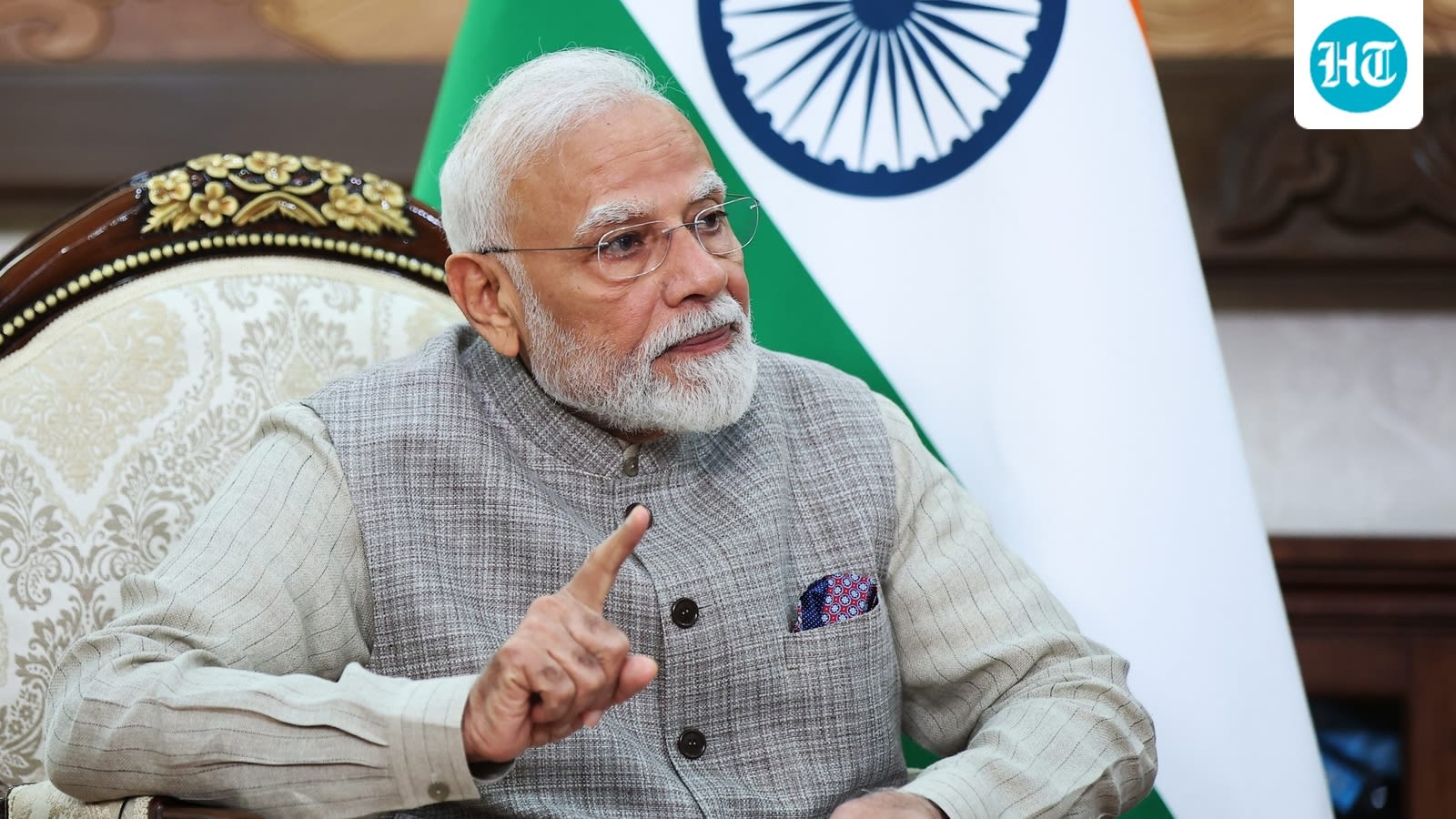
Prime Minister Narendra Modi will participate in the Ministry of Jal Shakti’s two-day departmental summit in New Delhi. This event marks the start of a new initiative aimed at fostering cooperative federalism and strengthening 'Team India' through collaborative governance.
Strengthening Cooperative Federalism: The Jal Shakti Summit
Prime Minister Narendra Modi is set to attend the valedictory session of the Ministry of Jal Shakti’s departmental summit in New Delhi this Wednesday. This high-level gathering serves as a pivotal platform for political leaders and senior bureaucrats from both central and state administrations to align on critical water-sector priorities and evaluate implementation outcomes. By bringing together diverse stakeholders, the summit aims to bridge the gap between policy formulation and ground-level execution in a sector vital to India’s sustainable development.
A New Paradigm for 'Team India'
This two-day summit represents the inaugural event in a broader series envisioned by the Prime Minister to institutionalize the spirit of 'Team India.' The initiative is designed to move beyond traditional administrative silos, encouraging a unified approach to governance where the Centre and states act as partners rather than separate entities. This shift is intended to deepen cooperative federalism, ensuring that national priorities are addressed with collective ownership and shared accountability.
Addressing Sectoral Priorities
Water security remains a cornerstone of India’s developmental agenda, and the Ministry of Jal Shakti is at the forefront of this mission. The discussions during this summit are expected to focus on both the strategic planning of water resources and the practical challenges of implementation. By reviewing outcomes in a structured environment, the government seeks to identify bottlenecks and streamline processes, ensuring that major water projects are delivered effectively to the citizens they serve.
Fostering Collaborative Governance
At its core, this event provides a formal mechanism for the collaborative exchange of ideas. By facilitating direct dialogue between state-level officials and central leadership, the summit creates a feedback loop that is essential for complex, nationwide infrastructure projects. This structure not only clarifies the roles of various government departments but also ensures that the unique requirements of different states are integrated into the broader national strategy.
Long-term Implications for National Policy
As the first in a series of departmental summits, this event sets a precedent for how the current administration intends to manage future national policy initiatives. By fostering a culture of continuous consultation, the government aims to build a more resilient and responsive administrative framework. The success of this summit could determine the long-term viability of this collaborative model as a standard practice for other key sectors of the Indian economy.
Conclusion
The participation of the Prime Minister in the Jal Shakti summit underscores the importance of the water sector in India's long-term growth strategy. By prioritizing inter-governmental cooperation and collective responsibility, the initiative seeks to solve long-standing challenges through a cohesive, integrated effort. Ultimately, this approach is designed to strengthen the foundations of Indian governance, ensuring that national priorities are met with efficiency, transparency, and a unified vision.
Verification Required?