PM Modi to launch India's first hydrogen train tomorrow: Check full Jind-Sonipat route, stations
Source Entity
Latest News: Today's Latest News Headlines from India & World | Hindustan Times | Hindustan Times
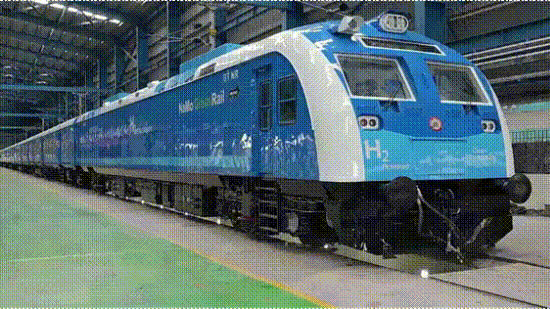
Prime Minister Narendra Modi is set to launch India's first hydrogen-powered passenger train on the Jind-Sonipat route, featuring a 10-coach set that ranks among the largest hydrogen trainsets developed globally.
A Paradigm Shift in Indian Rail Transport
Prime Minister Narendra Modi is poised to inaugurate India's first hydrogen-powered passenger train, a milestone that signals a transformative shift in the country's approach to sustainable transportation. The train, scheduled to operate on the Jind-Sonipat route, represents more than just a technological upgrade; it is a strategic move toward decarbonizing one of the world's largest rail networks. By introducing hydrogen fuel cell technology, India is positioning itself at the forefront of the global transition away from fossil-fuel-dependent locomotives, particularly on routes where full electrification remains a logistical or financial challenge.
Engineering Scale and Technological Significance
One of the most striking aspects of this launch is the scale of the trainset. Indian Railways has specified that the train consists of 10 coaches, making it one of the largest hydrogen-powered passenger trainsets developed to date. Most global prototypes of hydrogen trains have been smaller, often limited to a few carriages for testing purposes. Scaling this technology to a 10-coach configuration demonstrates a significant leap in energy management and hydrogen storage capacity. This suggests that India is not merely experimenting with a niche concept but is developing a scalable model capable of handling the high passenger volumes characteristic of the Indian rail system.
Environmental Implications and Net Zero Goals
The deployment of this train is a critical component of India's broader commitment to achieving Net Zero emissions by 2070. Unlike traditional diesel locomotives, which emit nitrogen oxides and particulate matter, hydrogen trains emit only water vapor and heat. This transition is particularly vital for improving air quality in the regions the Jind-Sonipat route traverses. By integrating green hydrogen—produced via electrolysis powered by renewable energy—into the rail sector, India can drastically reduce its carbon footprint while simultaneously reducing its reliance on imported fossil fuels, thereby enhancing national energy security.
Strategic Analysis of the Jind-Sonipat Route
The selection of the Jind-Sonipat route as the launch site is strategically significant. This corridor serves as an ideal testbed for evaluating the performance of hydrogen fuel cells under varied operational loads and climatic conditions. By implementing the technology on this specific route, Indian Railways can gather essential data on fuel consumption, refueling turnaround times, and the durability of the hydrogen storage systems. The success of this pilot will likely determine the blueprint for expanding hydrogen-powered transit to other non-electrified branch lines across the country, ensuring that regional connectivity is enhanced without compromising environmental standards.
Alignment with the National Green Hydrogen Mission
This initiative is a direct manifestation of the National Green Hydrogen Mission, which aims to make India a global hub for the production, usage, and export of green hydrogen. The launch of a 10-coach hydrogen train serves as a high-visibility proof-of-concept, signaling to global investors and domestic industries that India possesses the technical capability to integrate hydrogen into heavy-duty infrastructure. This synergy between policy and implementation is expected to spur domestic manufacturing of fuel cells and hydrogen tanks, fostering a new industrial ecosystem centered around clean energy technology.
Challenges and Future Outlook
Despite the optimism, the path to mass adoption involves significant hurdles. The primary challenges include the high cost of green hydrogen production and the necessity of building a specialized refueling infrastructure at stations along the Jind-Sonipat route and beyond. Furthermore, the long-term maintenance of hydrogen fuel cells in the dusty and humid conditions of the Indian subcontinent will be a critical area of study. However, as the technology matures and economies of scale are achieved, the cost per kilometer is expected to drop, making hydrogen a viable alternative to both diesel and overhead electrification.
Conclusion
In summary, the launch of the first hydrogen train on the Jind-Sonipat route is a landmark event for Indian Railways and a bold step toward a sustainable future. By deploying one of the largest hydrogen trainsets in the world, India is demonstrating its ambition to lead the global green transport revolution. While infrastructure and cost challenges remain, this move establishes a clear trajectory toward a cleaner, more efficient, and technologically advanced rail network that aligns with the nation's environmental and strategic goals.
Verification Required?