PM Modi meets 20 space startup CEOs, urges wider use of space tech for public benefit
Source Entity
SURENDRA SINGH
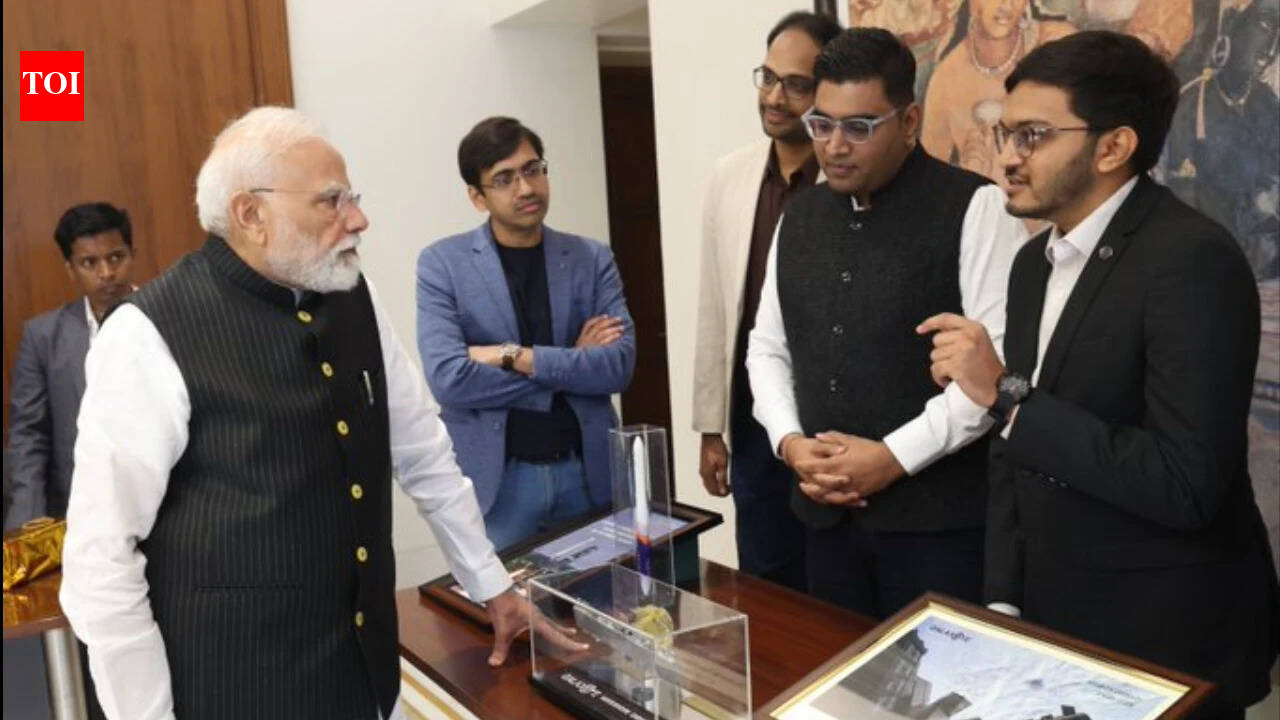
PM Narendra Modi met with 20 space startup CEOs to discuss expanding space technology applications into sectors like agriculture and environmental management. India's private space industry is projected to grow from $8 billion to $44 billion by 2033 under the guidance of INSPACe.
India's Strategic Expansion into the Private Space Sector
Prime Minister Narendra Modi recently convened a high-level meeting with the CEOs and founders of 20 prominent Indian space startups, including industry leaders such as Skyroot Aerospace, Agnikul Cosmos, and Pixxel. This engagement marks a significant milestone in India's policy shift toward privatizing and commercializing space exploration. By fostering direct dialogue between the executive branch and private innovators, the government is signaling a clear intent to move beyond the traditional state-led model dominated by ISRO toward a more dynamic, multi-stakeholder ecosystem.
Scaling the Space Economy to $44 Billion
The economic trajectory for India's space sector is ambitious, with the head of INSPACe projecting an expansion from the current $8 billion valuation to $44 billion by 2033. This growth is predicated on the transition from government-exclusive missions to commercial ventures where startups provide cost-effective launch services, satellite manufacturing, and data analytics. Achieving this fivefold increase requires not only capital investment but also a robust regulatory framework that encourages private players to participate in the global supply chain.
Integrating Space Tech into Public Welfare
A core theme of the Prime Minister's interaction was the practical application of space technology for public good. The directive to integrate space-based data into agriculture, environmental monitoring, and social development sectors highlights a move toward 'utility-first' space policy. By utilizing satellite imagery and real-time data analytics, India aims to address systemic issues such as crop monitoring, climate change mitigation, and disaster management, proving that space exploration can provide tangible improvements to the daily lives of citizens.
Cultivating the Next Generation of Innovators
Beyond immediate industrial growth, the meeting emphasized the importance of fostering a culture of innovation among the youth. The Prime Minister’s call for collaboration between space startups and Atal Tinkering Labs is a strategic move to build a pipeline of talent. By introducing space science and engineering concepts to students at an early stage, India is working to ensure that the human capital required to sustain a $44 billion industry is readily available, thereby securing the nation's long-term competitive advantage in the global aerospace market.
Broader Implications and Future Trends
This initiative places India firmly within the global 'NewSpace' movement, where private enterprises drive innovation through agility and specialized focus. As startups like Dhruva Space, Bellatrix Aerospace, and Digantara continue to mature, the integration of their technologies into the wider economy will likely accelerate. Looking forward, the success of this model will depend on the government's ability to maintain a supportive regulatory environment while encouraging these startups to scale their operations to compete with international counterparts on the global stage.