Frustrated GP patients hang up as Yorkshire accent baffles AI receptionist
Source Entity
Mark Brown North of England correspondent
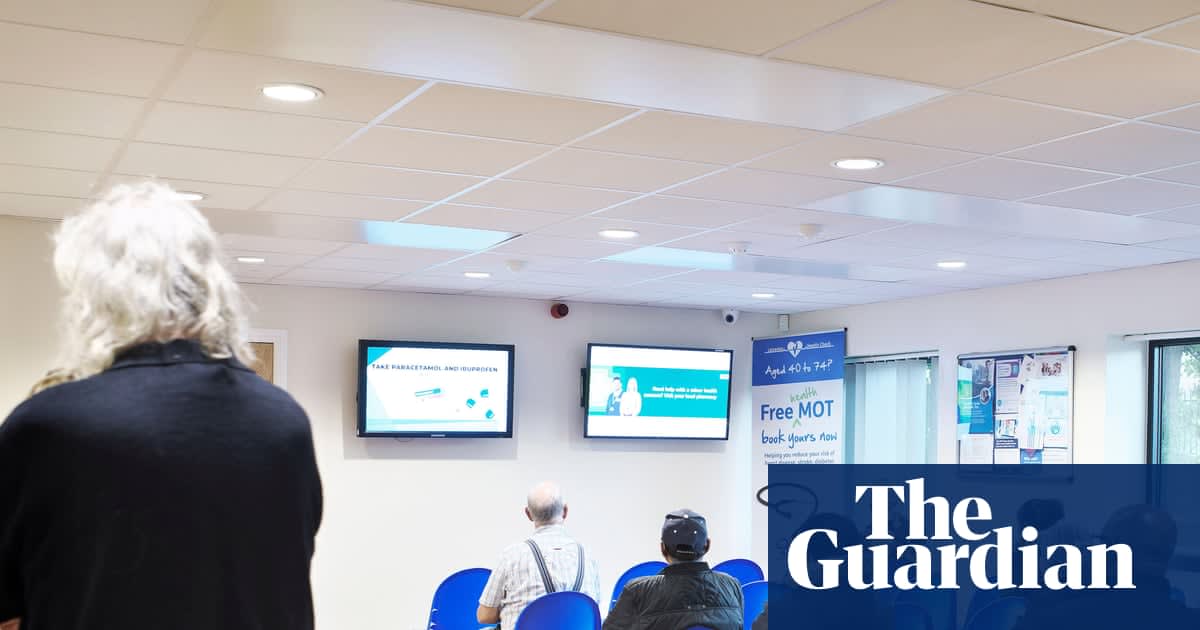
Patients in South Yorkshire are reporting significant difficulties using a new AI-powered GP receptionist named Emma. The system is struggling to interpret broad local accents, leading to increased frustration and accessibility barriers.
AI Integration in Healthcare: The Yorkshire Accent Challenge
Recent reports from South Yorkshire highlight a growing friction between cutting-edge automation and regional linguistic diversity. Patients attempting to interact with a new AI-powered GP receptionist, referred to as 'Emma,' have encountered significant hurdles in communication. As GP practices increasingly adopt automated telephony systems to manage high call volumes, the inability of these tools to process specific regional dialects has emerged as a primary concern for local health watchdogs.
The Role of Healthwatch Rotherham
Healthwatch Rotherham, a dedicated health and social care watchdog, has brought this issue to the forefront by documenting patient experiences. According to the organization, the primary frustration stems from the AI’s inability to decipher the nuances of broad Yorkshire accents. This failure to recognize local speech patterns is not merely a technical glitch; it represents a fundamental accessibility barrier that prevents patients from effectively communicating their medical inquiries, thereby undermining the primary purpose of the automated system.
Linguistic Diversity and Algorithmic Bias
Artificial Intelligence models, particularly those based on Natural Language Processing (NLP), are often trained on datasets that favor standardized accents or 'Received Pronunciation.' When these models are deployed in regions with distinct, varied, or 'broad' dialects, they frequently struggle to map speech inputs to the correct intent. The diversity of 'twangs' across South Yorkshire, as noted by Healthwatch manager Kym Gleeson, underscores the difficulty of deploying a 'one-size-fits-all' software solution in a culturally and linguistically rich environment.
Implications for Healthcare Accessibility
For GP practices, the goal of implementing AI receptionists is to streamline administrative tasks and reduce wait times. However, if the technology is perceived as a barrier rather than a facilitator, it can lead to patient disengagement. When patients hang up in frustration, their health needs remain unaddressed, potentially delaying essential medical appointments. This creates a secondary workload for human staff who must then deal with the fallout of failed automated interactions.
Future Trends in Medical AI
This incident serves as a critical case study for the healthcare industry regarding the necessity of inclusive AI design. Developers must prioritize training models on diverse datasets that encompass a wider range of regional accents to ensure equitable access to services. As automation continues to penetrate the public sector, the standard for 'functional' AI must evolve from mere speed and efficiency to include linguistic inclusivity and regional sensitivity.
Concluding Perspectives
The situation in South Yorkshire serves as a reminder that technological adoption in essential services requires a human-centric approach. While AI offers potential for operational efficiency, it must be robust enough to accommodate the communities it serves. Without addressing these specific linguistic gaps, the digital transformation of local GP services risks alienating the very patients it is intended to support.