Next Parl session before Dec 15? PM Modi asks ministers to stay put, stay ready
Source Entity
YASHASVI VASISTHA
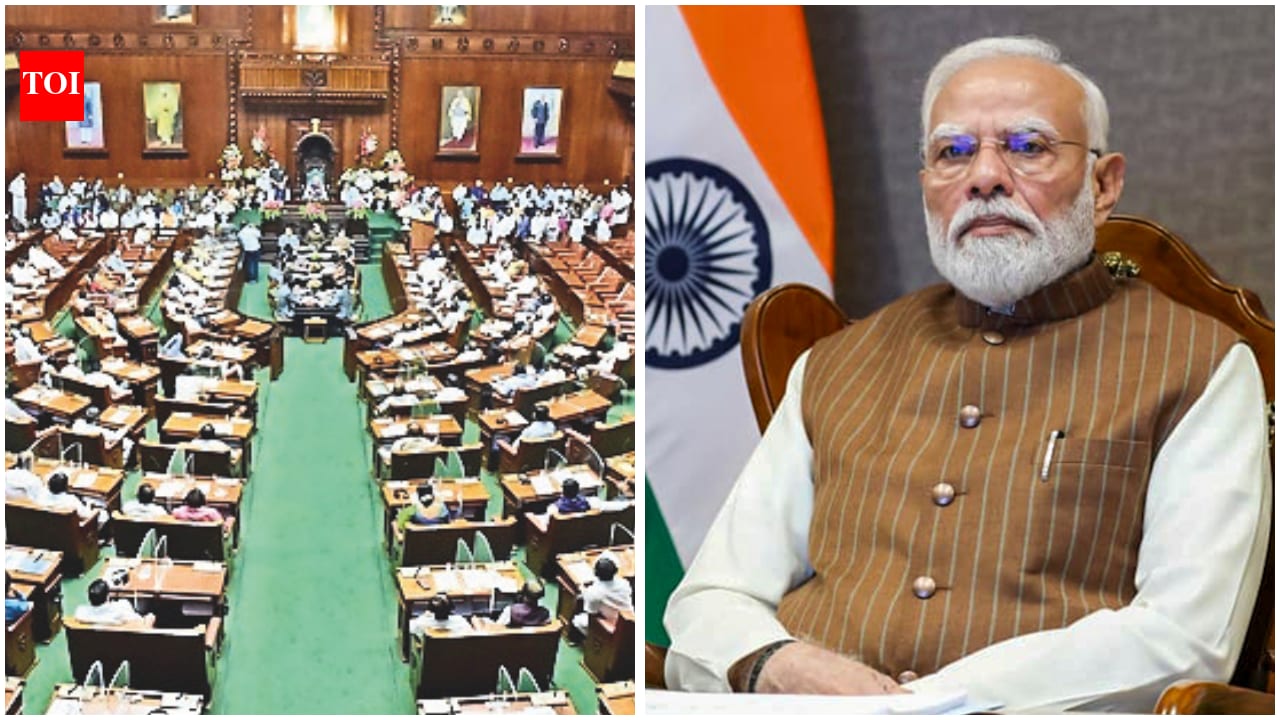
Prime Minister Narendra Modi has instructed Cabinet ministers to cancel foreign travel in anticipation of a surprise Parliament session before December 15. The government is reportedly preparing to introduce a significant Constitution Amendment Bill linked to delimitation and women's reservation.
Strategic Mobilization: The Government’s Parliamentary Readiness
Prime Minister Narendra Modi has issued a clear directive to his Cabinet ministers, urging them to suspend international travel and remain on standby for a potential Parliament session prior to December 15. This strategic move, characterized by a heightened sense of urgency, signals that the government is preparing for significant legislative business. By effectively tethering ministers to the capital, the administration is ensuring full attendance for what is anticipated to be a critical period of lawmaking, particularly as the ruling National Democratic Alliance (NDA) navigates evolving political alliances and shifting support dynamics.
The Lingering Monsoon Session and Legislative Strategy
The speculation surrounding this upcoming session is further fueled by the government’s unconventional decision not to prorogue the monsoon session, which was adjourned sine die on August 13. In parliamentary practice, the failure to prorogue effectively keeps the session alive, allowing for a swift resumption without the procedural delays typically associated with summoning a new session. This tactical choice suggests that the administration is maintaining maximum flexibility to introduce legislation at short notice, bypassing the standard protocols that opposition parties have already begun to scrutinize.
The Core Agenda: Delimitation and Reservation
At the heart of these preparations is the anticipated introduction of the Constitution (131st Amendment) Bill. This proposed legislation is reportedly tied to the dual objectives of delimitation—the process of redrawing electoral boundaries—and the implementation of women's reservation in Parliament. Given that these changes could substantially expand the strength of the Lok Sabha, the bill carries profound implications for the nation’s political landscape. The linkage between delimitation and reservation is particularly sensitive, as it directly impacts state representation and the existing power structure within the legislature.
Navigating Opposition and Alliance Dynamics
The government’s push for this amendment comes at a time when political alliances within the NDA are undergoing shifts, necessitating a recalibration of support to ensure the bill secures the required majority. Opposition parties have already raised concerns regarding the potential impact of the delimitation process on state-level representation, framing the delay and the secretive nature of the scheduling as a point of contention. The government’s ability to successfully pass such a transformative bill will depend heavily on its capacity to manage these internal coalition dynamics while addressing the skepticism emanating from the opposition benches.
Future Trends and Political Implications
Looking ahead, the successful passage of this legislation would mark a landmark shift in India’s electoral architecture. The integration of women's reservation with a redefined delimitation exercise suggests a long-term strategy to reshape the composition of the House. Should the government proceed with this session before mid-December, it will set a precedent for using 'adjourned' sessions to expedite major constitutional changes. Consequently, observers should monitor whether this move triggers a broader debate on federalism and the representation of states, as the proposed changes to Lok Sabha strength will inevitably alter the political weight of individual states in the national discourse.