PM Narendra Modi reviews cyber fraud cases, calls for regular capacity building
Source Entity
The Indian Express
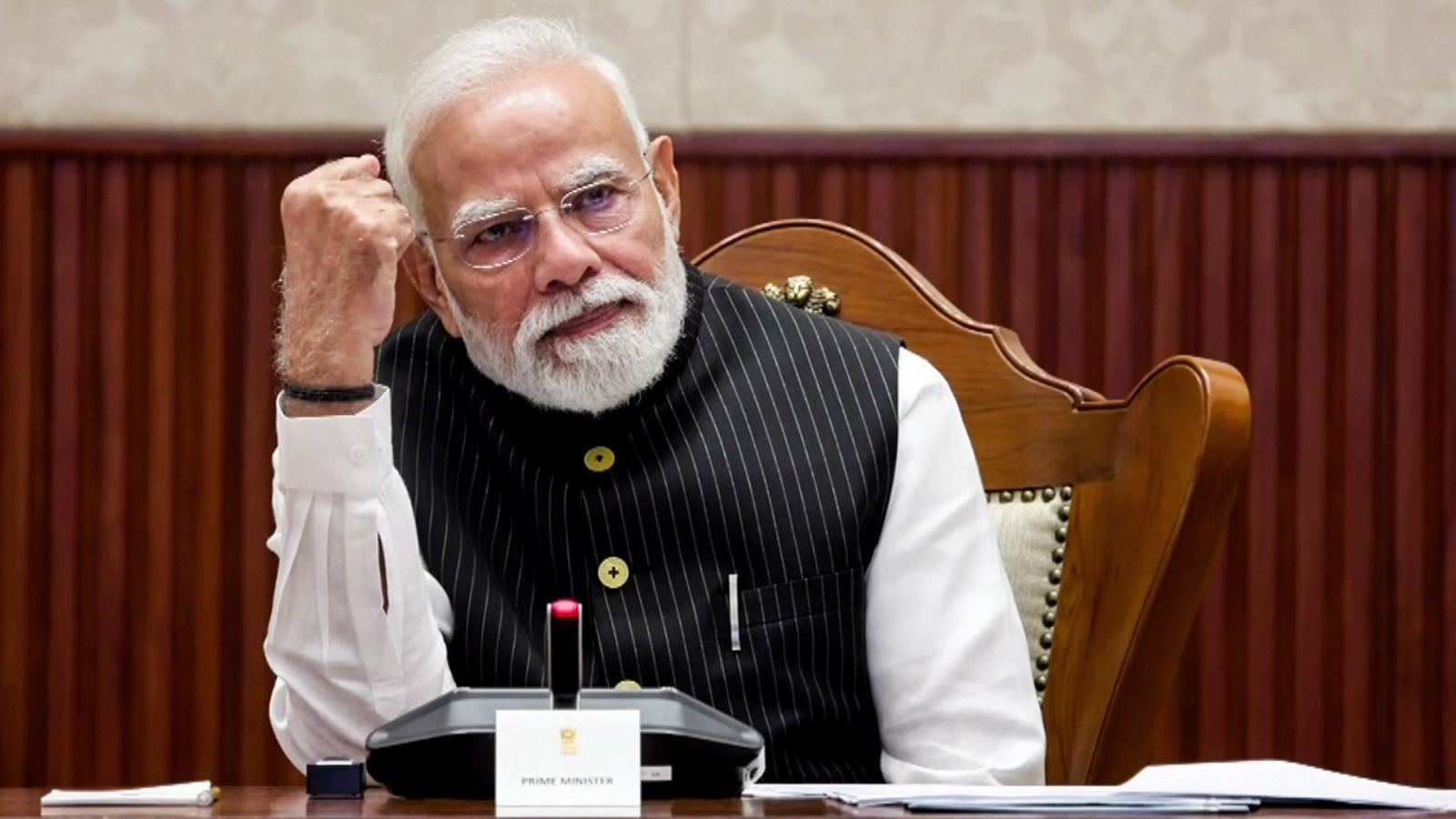
Prime Minister Narendra Modi utilized the 53rd PRAGATI meeting to mandate stricter quality controls for infrastructure projects and a robust national strategy against cyber fraud. He emphasized that speed must be balanced with excellence while urging the adoption of AI and advanced training to combat emerging digital threats.
Enhancing Governance Through PRAGATI: A Strategic Review
Prime Minister Narendra Modi’s 53rd meeting of the PRAGATI (Pro-Active Governance and Timely Implementation) platform served as a critical juncture for evaluating both the physical and digital infrastructure of India. By convening central secretaries and chief secretaries, the Prime Minister reinforced the necessity of a unified approach to governance. The session focused on the dual pillars of national development: the integrity of large-scale infrastructure projects and the security of the nation’s digital landscape.
Quality Control in Infrastructure
A significant portion of the dialogue centered on the execution of major projects across the railway, road, and power sectors. With six projects under review spanning nine states and totaling over Rs 30,000 crore, the Prime Minister expressed strong dissatisfaction with current quality assurance mechanisms. His pointed inquiry regarding the necessity of a "fourth-party audit" signals a move toward more rigorous oversight, as he argued that current third-party auditing systems are failing to meet the required standards. He emphasized that infrastructure must be treated as an integrated system rather than fragmented, isolated packages.
The Battle Against Cyber Fraud
Transitioning to the digital sphere, the Prime Minister addressed the rising menace of cyber fraud, explicitly citing the alarming rise of "digital arrest" incidents. The strategy outlined in the meeting moves beyond reactive measures, calling for a proactive stance involving continuous capacity-building for personnel. By focusing on training, awareness, and education, the government aims to stay ahead of evolving cyber-criminal tactics that exploit modern technological vulnerabilities.
The Role of Technology and AI
The PRAGATI meeting highlighted the integration of modern technology as a force multiplier in governance. Beyond administrative monitoring, there is a clear push to leverage Artificial Intelligence (AI) to enhance both agricultural efficiency and the defensive capabilities of law enforcement agencies against cyber threats. This move reflects a broader trend of digitizing public service delivery to ensure that speed and efficiency do not come at the cost of operational precision.
Future Implications and Policy Direction
Looking ahead, the directives issued by the Prime Minister suggest a shift toward a more accountability-driven administrative culture. By demanding that ministries and implementing agencies adopt advanced supervision techniques, the government is setting a precedent where project delays or quality lapses will likely face stricter scrutiny. The emphasis on sustained training for cyber-related issues indicates that the government views digital security as a permanent, high-priority frontier that requires constant investment and adaptation.
Conclusion
The 53rd PRAGATI meeting underscores a holistic vision for India’s growth, characterized by a refusal to accept mediocrity in public works and a militant approach to digital security. By holding the highest levels of bureaucracy accountable, the Prime Minister is streamlining the implementation chain, ensuring that the nation's development trajectory remains both rapid and structurally sound.