In new late-night video, Modi thanks students for ‘constructive’ responses
Source Entity
The Indian Express
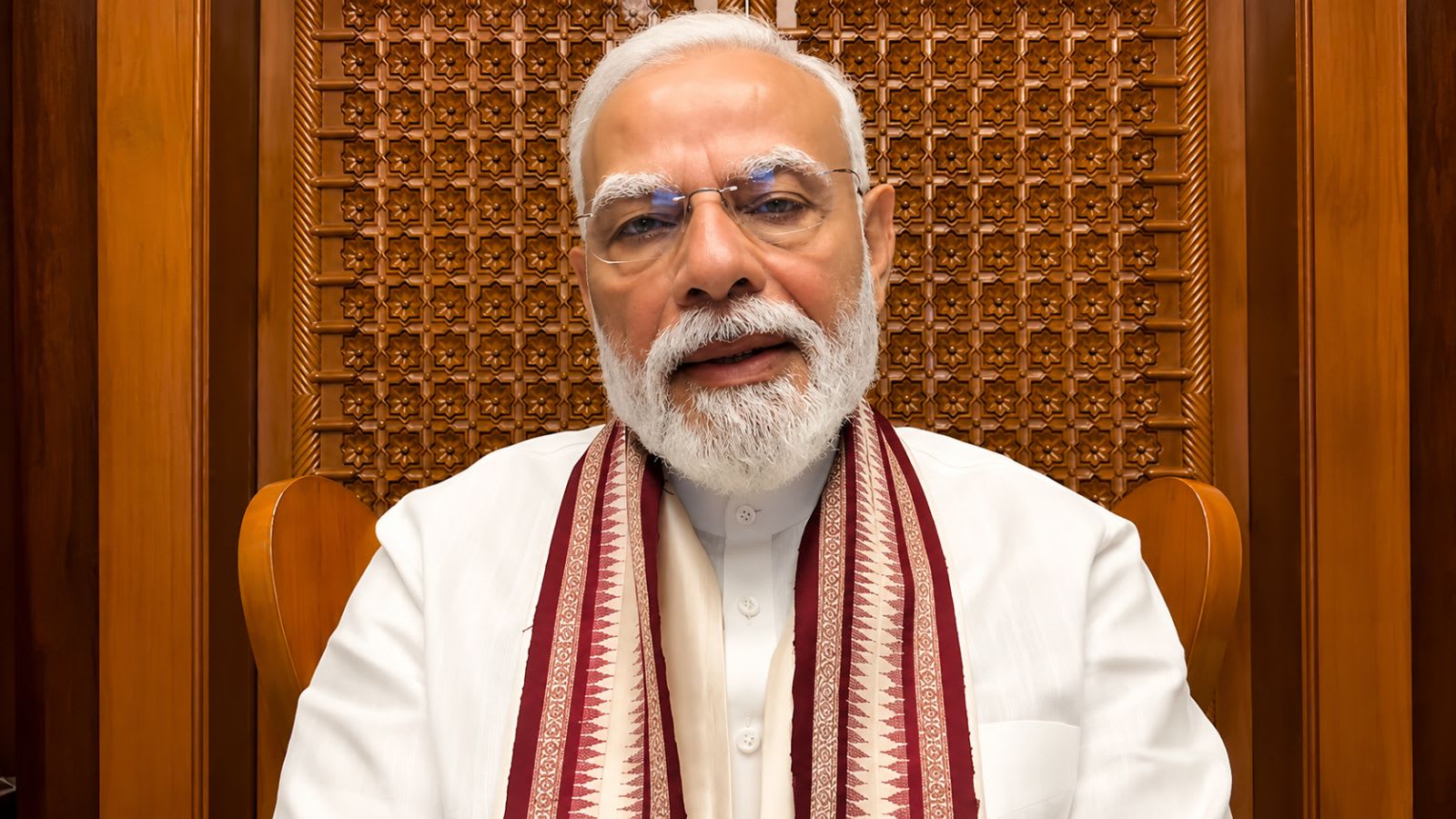
Prime Minister Narendra Modi released a follow-up video thanking students for their constructive feedback regarding his proposed reforms on examination paper leaks. This interaction highlights the government's focus on addressing youth concerns through legislative action and direct digital engagement.
Strengthening the Digital Dialogue: PM Modi’s Outreach on Exam Reforms
Prime Minister Narendra Modi’s recent late-night video message signifies a deliberate shift toward direct, digital-first communication with India’s student population. By utilizing platforms like Instagram to acknowledge feedback on the critical issue of examination paper leaks, the Prime Minister is attempting to bridge the gap between high-level policy formulation and the ground-level anxieties of the youth. This engagement is not merely performative; it serves as a feedback loop that validates the government's commitment to addressing systemic failures in the examination process.
Legislative Action and Accountability
The context for these messages is rooted in a significant legislative push. Following reports of widespread examination irregularities, the government has moved to introduce a robust legal framework aimed at curbing paper leaks. By announcing the intent to establish fast-track courts and implement a stricter, comprehensive new law, the administration is signaling a zero-tolerance policy toward malpractices that jeopardize the futures of millions of aspirants. The transition from policy proposal to cabinet-level deliberation reflects a sense of urgency intended to restore public trust.
The Role of 'Constructive' Engagement
In his video, the Prime Minister specifically highlighted the 'constructive suggestions' provided by students. This framing is essential for modern governance, as it encourages the youth to participate in the legislative process rather than remaining passive observers. By inviting input on how to refine exam security and administrative transparency, the government is attempting to crowdsource solutions for a complex bureaucratic challenge, effectively turning a potential political liability into a participatory reform movement.
Political Implications and Youth Connectivity
Historically, the student demographic has been a volatile and highly influential force in Indian politics. By maintaining this 'bond of affection' through consistent digital updates, the Prime Minister is reinforcing his connection with the young electorate. This strategy is indicative of a broader trend where political leaders bypass traditional media hierarchies to speak directly to citizens, thereby controlling the narrative and ensuring that their proactive stance on sensitive issues is clearly communicated to the intended audience.
Future Trends in Governance
Looking ahead, the success of these reforms will be measured by the efficacy of the fast-track courts and the deterrent effect of the new legislation. If the government can successfully institutionalize these changes, it may set a new precedent for how administrative crises are handled in the digital age. The focus remains on whether these legislative promises can translate into a leak-proof examination environment, which remains the primary demand of the student body. The government’s willingness to sustain this dialogue suggests that transparency and rapid response mechanisms will become core components of future educational policy.