After the Crackers: How to Get Smoke Smell and Stains Out of Diwali Clothes
Source Entity
Latest News: Todays Latest News Headlines from India & World | Hindustan Times | Hindustan Times
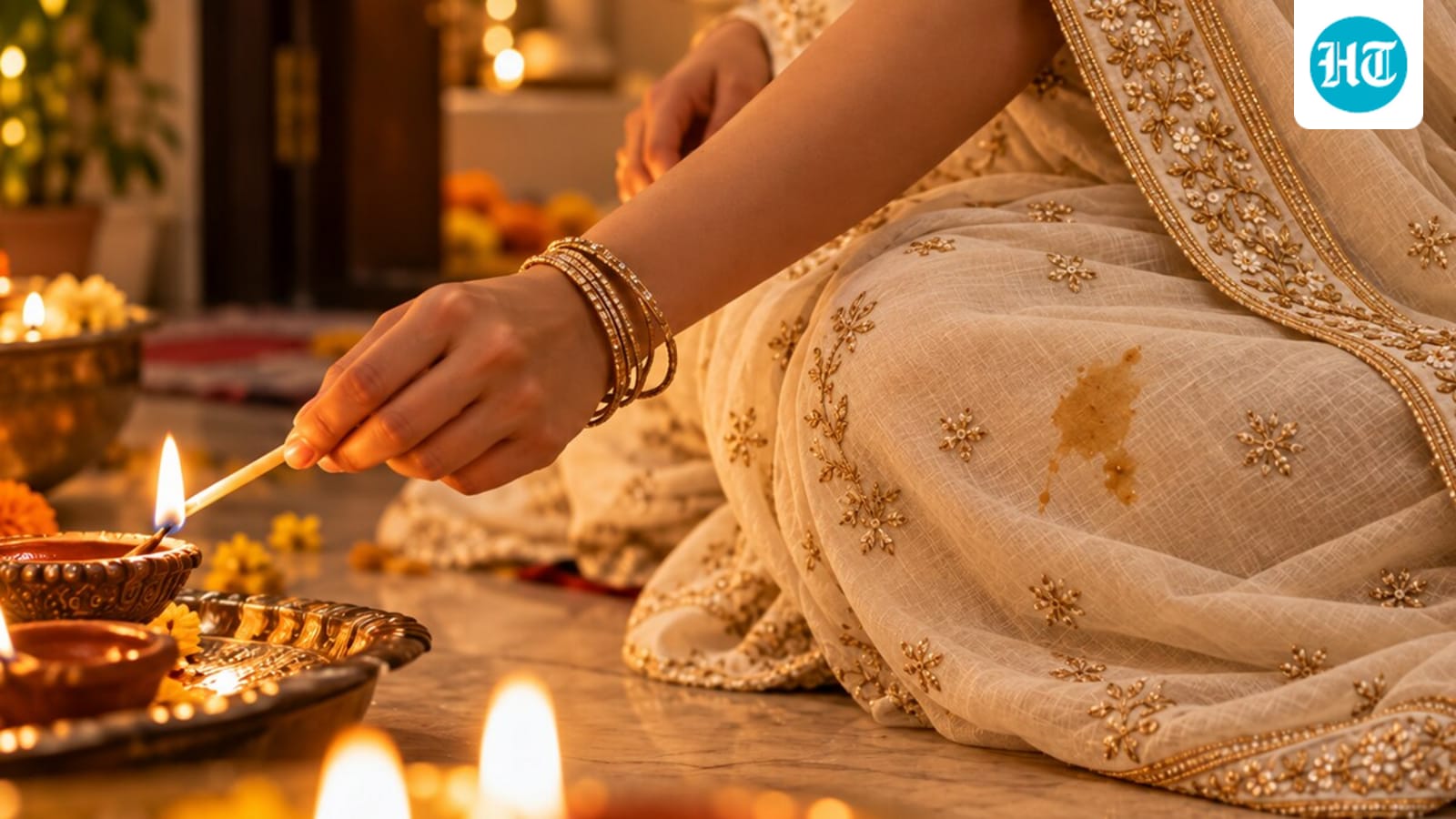
Post-Diwali festivities often leave clothes with persistent smoke odors and stubborn food stains. Expert cleaning techniques beyond a standard wash are required to effectively restore these fabrics.
The Lingering Aftermath: Addressing Post-Diwali Fabric Care
The festival of Diwali, while a time of immense joy and cultural celebration, inevitably leaves a distinct mark on the attire worn during the festivities. As the sparklers fade and the last diyas are extinguished, households are left with a common challenge: cleaning garments saturated with the residue of gunpowder smoke, sweat, and festive culinary remnants. While these marks are often seen as signs of a 'Diwali well spent,' the practical task of garment restoration is essential for maintaining the longevity of traditional wardrobes.
The Chemistry of Smoke and Stains
Standard washing machine cycles often fail to neutralize the pungent odor of gunpowder smoke that clings to fabrics. This is because smoke particles are microscopic and adhere to the fibers of delicate materials like silk, chiffon, or cotton, often requiring more than simple agitation to dislodge. Furthermore, the presence of oil-based stains—such as ghee from festive foods or turmeric (haldi) from religious rituals—creates complex cleaning requirements that go beyond basic soap and water.
Beyond the Standard Wash
It is a common misconception that simply airing out clothes will dissipate the smell of fireworks. In reality, the oily residue from smoke particles remains embedded in the weave of the fabric. To effectively lift these odors, a pre-treatment approach is necessary. Experts suggest that specialized detergents or targeted soaking methods are required to break down the chemical bonds of the smoke residue before a full wash cycle is initiated.
Navigating Festive Stains
Stains from sweets (mithai) and oily savory dishes (puris) pose a different challenge. Organic stains, particularly those containing fats, can set permanently if treated with high heat too early. The cultural sentiment that 'daag achhe hain' (stains are good) reflects the festive spirit, but practical garment care dictates that these should be treated with grease-cutting agents before being subjected to standard laundry detergents.
Future Trends in Fabric Care
As festive celebrations continue to evolve, so does the technology behind fabric care. We are seeing a shift toward specialized pre-wash sprays and enzyme-based cleaners that are designed to target specific types of organic and chemical residue. For the modern household, the shift is away from generic cleaning toward a more scientific, multi-step process that ensures expensive festive wear is protected while odors are thoroughly eliminated.
Conclusion: Preserving the Festive Wardrobe
Ultimately, the post-Diwali cleanup is a ritualistic extension of the festival itself. By recognizing that standard laundry methods are often insufficient for the unique combination of smoke and food-based stains, individuals can adopt better habits. Proper pre-treatment, careful observation of fabric types, and the use of appropriate cleaning agents will ensure that the garments worn during these significant celebrations remain in pristine condition for years to come.
Verification Required?