Why has Poundland collapsed and what happens next?
Source Entity
BBC News
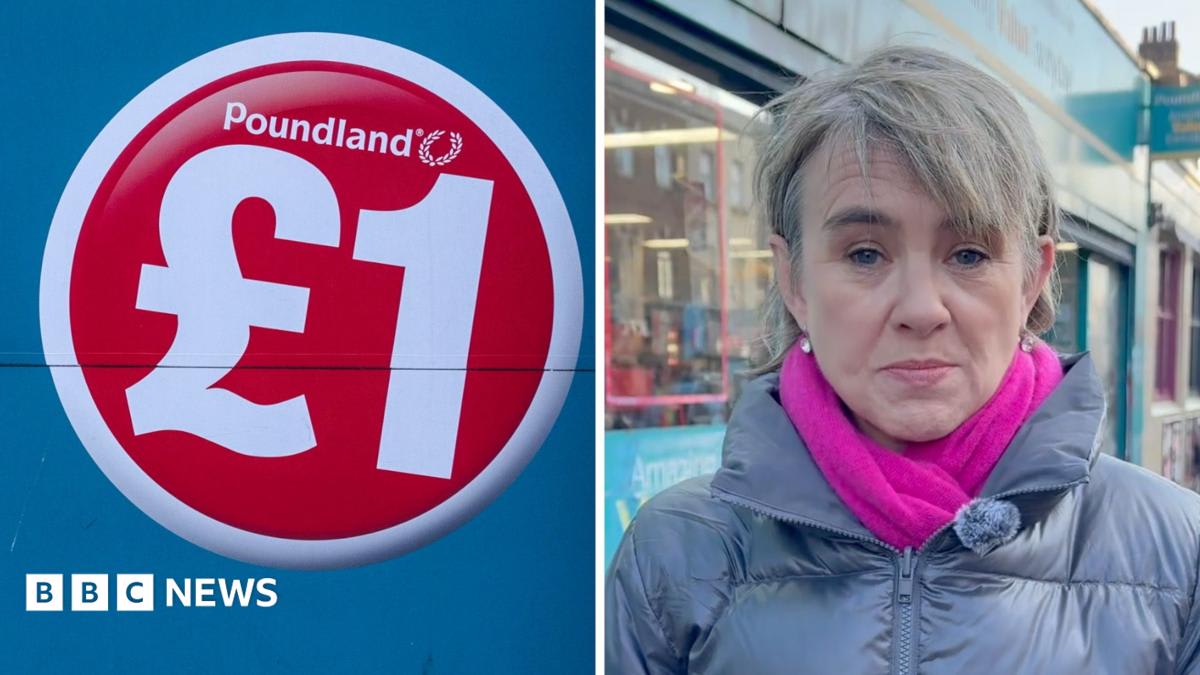
Discount retail chain Poundland has entered administration after failing to secure a buyer, placing 11,000 jobs in jeopardy. Administrators from Alix Partners are now managing the company's assets, with a likely breakup of the store network expected.
The Collapse of Poundland: A Retail Crisis Unfolds
The retail landscape has been shaken by the news that Poundland, a staple of the British high street, has formally entered administration. This collapse places approximately 11,000 jobs at significant risk, creating a wave of uncertainty for employees and stakeholders just weeks before the critical Christmas trading period. The failure comes after the company's US owners were unable to secure a viable buyer, despite engaging in extensive negotiations to facilitate a last-minute rescue deal.
The Failure of Ownership and Strategy
It is particularly notable that this collapse occurs only one year after the chain was acquired for a symbolic £1 by an American firm. This highlights a recurring trend in modern retail, where private equity or foreign ownership models often struggle to navigate the thin margins and high operational costs of the UK discount sector. The inability of the US owners to find a sustainable path forward suggests a fundamental misalignment between the parent company's strategy and the realities of the domestic market.
The Role of Administration
Following the filing for administration, consultancy firm Alix Partners has been appointed to oversee the insolvency process. Their primary mandate is to protect the interests of creditors while exploring all possible avenues for the business. This oversight is a critical phase where the immediate future of the 11,000 workers will be determined, as the firm balances the potential for a total rescue against the necessity of liquidating assets.
Future Outlook: A Broken-Up Business Model
Analysts anticipate that the most likely outcome will be a breakup of the retail chain. Instead of a single buyer stepping in to save the entire entity, Alix Partners is expected to seek sales of individual stores or regional clusters to rival retailers. This fragmenting of the estate will likely change the face of many high streets, as competitors move in to absorb profitable locations while discarding those that are no longer economically viable.
Broader Implications for the Retail Sector
This event serves as a stark reminder of the volatility inherent in the discount retail sector. While these stores are often seen as resilient during economic downturns, they remain vulnerable to supply chain pressures, rising operational costs, and the shifting habits of consumers. The collapse of such a large employer underscores the fragility of the high street and the potential for rapid contraction when a business model fails to adapt to financial pressures.