The birth story no one prepared me for
Source Entity
Ekta Chauhan
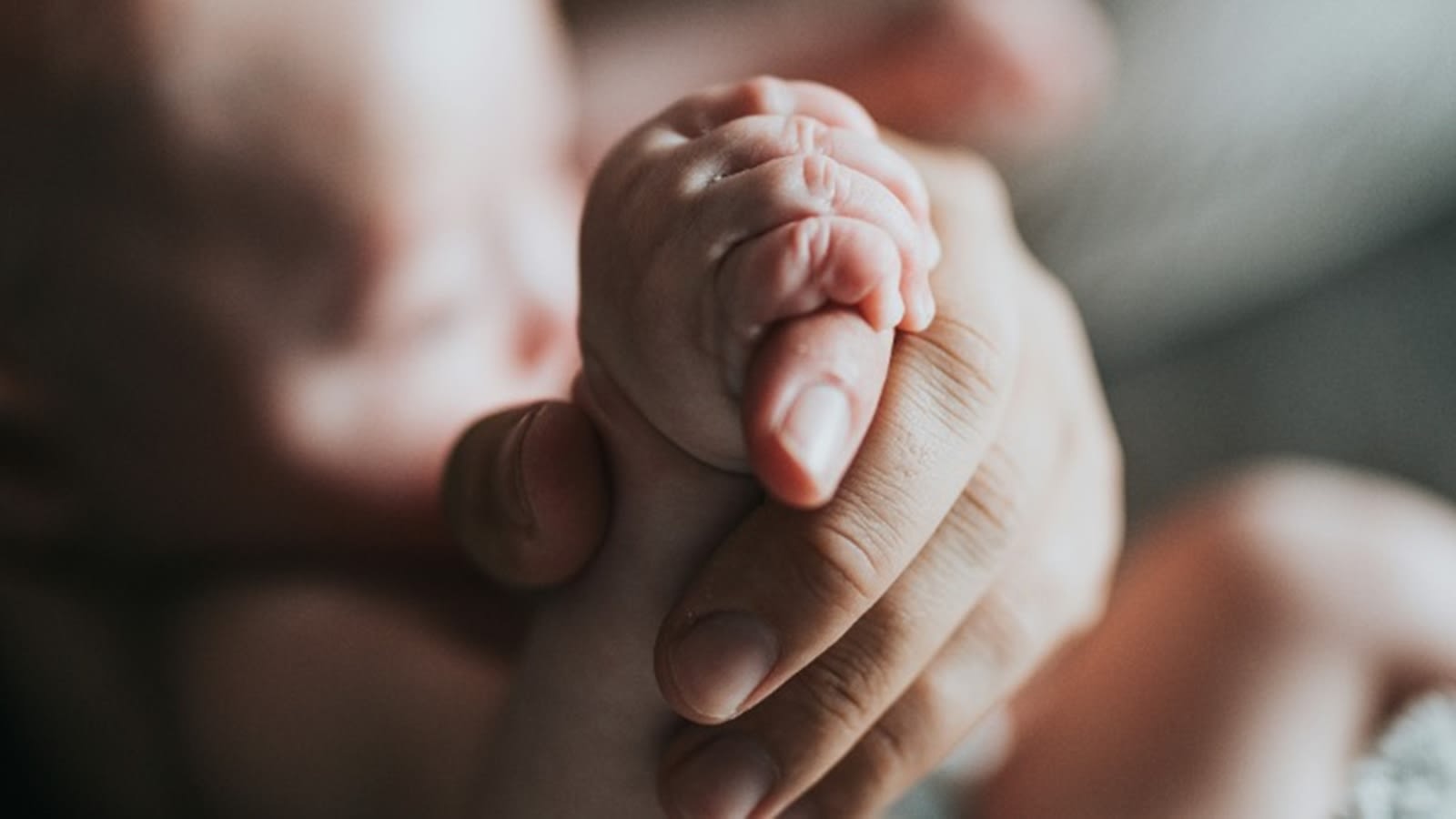
A journalist experienced a premature birth via emergency C-section just after researching the topic in India. Her personal account highlights the challenging transition to motherhood through the NICU experience rather than traditional expectations.
The Unexpected Reality of Premature Birth in India
A Collision of Professional Inquiry and Personal Crisis
In a profound convergence of professional curiosity and lived experience, a journalist recently found her life fundamentally altered while researching the medical landscape of childbirth in India. Having just submitted a pitch focused on the rising trends of caesarean sections and premature deliveries, she experienced a harrowing personal emergency. A routine prenatal visit at 28 weeks gestation rapidly escalated into an admission, culminating in an emergency C-section that brought her son into the world two months ahead of schedule.
Deconstructing Cultural Narratives of Motherhood
For generations, the cultural narrative surrounding motherhood in India has been tethered to specific, idealized tropes of labor pain, sacrifice, and stoic endurance. These stories often emphasize a singular path to maternal identity. However, the author’s experience highlights a significant disconnect between these traditional expectations and the modern medical reality, where high-risk pregnancies and premature births are increasingly common, forcing women to navigate motherhood through the sterile, high-tech environment of a Neonatal Intensive Care Unit (NICU).
The NICU as a New Threshold for Maternal Identity
The NICU represents a stark departure from the conventional imagery of the 'birth room' or the immediate postpartum recovery at home. It is a space defined by medical intervention, constant monitoring, and a unique set of anxieties that are rarely discussed in mainstream discourse. By entering the NICU, the author underscores that modern motherhood often begins not with the traditional embrace of a newborn, but with the complex, often traumatic, initiation of medical observation and the fragility of a premature infant.
The Rise of Medical Intervention in India
This personal account provides a human face to the broader statistical trends the author was originally investigating. The rise in C-sections and premature births in India is a multifaceted public health concern, influenced by changing maternal ages, medical advancements, and shifts in prenatal care. The author’s transition from a researcher observing these trends to a patient experiencing them firsthand serves as a poignant reminder that behind every statistic is an individual undergoing a life-altering event that few are truly prepared for.
Broader Implications and Future Perspectives
As the medical landscape in India continues to evolve, there is a clear need for a more comprehensive support system for mothers whose journeys deviate from the norm. The 'before and after' of the author’s life signifies a shift in how society must view maternal health—moving away from romanticized notions toward a more grounded, empathetic understanding of the medical realities of childbirth. Future discussions must prioritize the psychological and emotional support required for parents navigating the uncertain waters of NICU care.
Conclusion
Ultimately, the author’s story serves as a critical bridge between data and humanity. It challenges the prevailing cultural scripts of what it means to become a mother in contemporary India, suggesting that the path to motherhood is becoming increasingly complex. By sharing her transition into a NICU-based entry to parenthood, she invites a broader, more necessary conversation about the realities of modern obstetric care and the resilience required when the birth story does not follow the anticipated narrative.