Ludhiana sees fresh swine flu case; surveillance up
Source Entity
Latest News: Todays Latest News Headlines from India & World | Hindustan Times | Hindustan Times
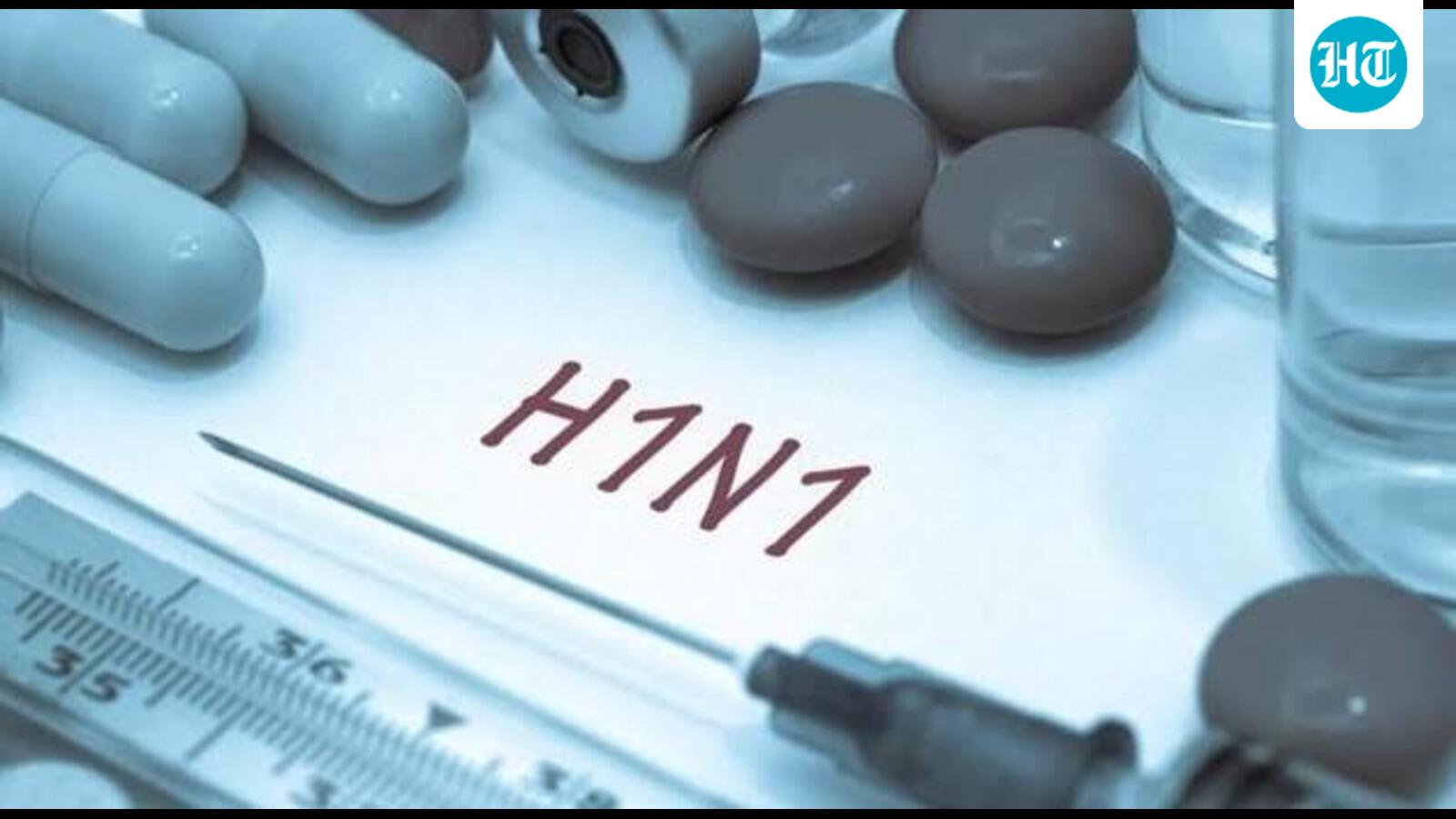
Delhi is experiencing a significant surge in H1N1 influenza cases, with over 1,700 infections reported this season. Union Health Minister J.P. Nadda has convened with state officials to ramp up surveillance and ensure hospital preparedness.
Delhi Faces Significant H1N1 Surge
The national capital of India is currently grappling with a concerning rise in seasonal influenza, specifically H1N1, commonly known as swine flu. Recent data indicates that Delhi has logged more than 1,700 cases this year, a figure that has prompted immediate action from both state and central health authorities. The uptick in infections is largely attributed to the ongoing monsoon season, which historically creates favorable conditions for the spread of respiratory viruses.
Strategic Surveillance and ICMR Data
According to findings from the Indian Council of Medical Research (ICMR), H1N1 currently accounts for approximately 70% of all respiratory infections reported through their laboratory network. This high prevalence rate underscores the dominance of the H1N1 strain over other circulating seasonal influenza viruses. The reliance on the ICMR network for real-time data allows health officials to categorize cases into influenza-like illnesses (ILI) and severe acute respiratory infections (SARI), providing a clear picture of the clinical burden on the healthcare system.
High-Level Government Response
In response to the data, Union Health Minister J.P. Nadda conducted a high-level review meeting on August 21, 2026. This meeting, which included Delhi Health Minister Pankaj Kumar Singh, focused on evaluating the national surveillance infrastructure and the operational readiness of healthcare facilities. The collaborative approach between the Union Ministry of Health and Family Welfare and the Delhi government aims to streamline the response to the rising demand for medical intervention.
Clinical Preparedness and Public Safety
Health Minister Pankaj Kumar Singh has emphasized that while the surge is significant, the situation remains under control. Government hospitals across Delhi have been issued directives to ensure that adequate treatment facilities, including necessary medication and isolation capacity, are fully operational. The primary goal of these measures is to prevent the healthcare system from being overwhelmed by the influx of patients seeking care for flu-like symptoms.
Future Trends and Mitigation
The emphasis on monitoring ILI and SARI cases suggests a proactive strategy to catch severe manifestations of the virus early. By focusing on laboratory surveillance and hospital preparedness, officials hope to mitigate the mortality rate associated with the current outbreak. As the monsoon continues, the administration is expected to maintain heightened monitoring to ensure that the healthcare response keeps pace with the evolving epidemiological trends in the capital and the broader national landscape.
Verification Required?