Why does it seem like food recalls are out of control this year?
Source Entity
Emma Roth
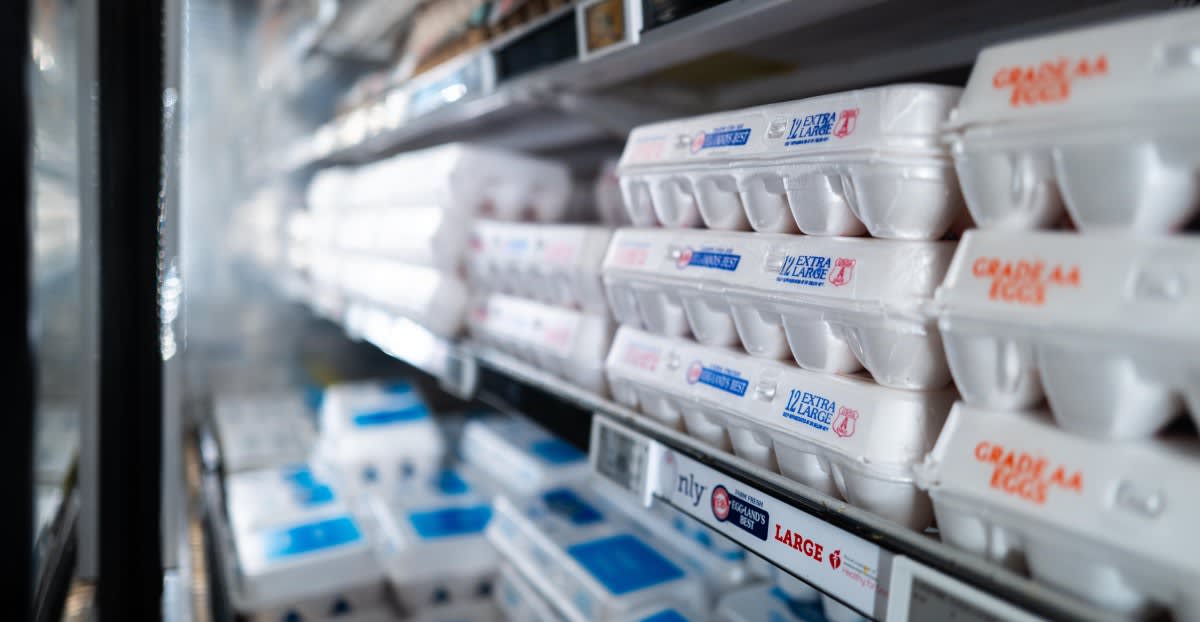
Recent major food recalls involving Taylor Farms lettuce and Midwest Poultry Services eggs highlight significant gaps in supply chain safety. These outbreaks of cyclospora and salmonella underscore the increasing frequency of foodborne illness alerts in the United States.
The Rising Tide of Food Safety Recalls
The recent surge in food safety alerts has left many consumers wondering if the system designed to protect them is under unprecedented strain. The current landscape is marked by high-profile recalls, most notably the massive recall of over one million eggs from Midwest Poultry Services due to potential salmonella contamination. These eggs, which reached consumers through major retailers like Kroger and smaller outlets across the South and Southwest, represent a significant failure in the distribution chain that demands closer scrutiny of how agricultural products are tracked from farm to fork.
Interconnected Supply Chains and Secondary Risks
The complexity of modern food distribution is further illustrated by the recent actions taken by Taylor Farms. Following a cyclospora outbreak linked to their iceberg lettuce, the company was forced to initiate a secondary round of recalls involving products containing jalapeños. This occurred after their supplier, Coast Citrus Distributors, flagged fresh peppers for salmonella. This 'domino effect' demonstrates how contamination at a single supplier level can radiate across multiple product lines—including guacamole, salsa, and taco dips—creating a logistical nightmare for retailers and a heightened health risk for the public.
Understanding the Pathogens: Salmonella and Cyclospora
To understand the gravity of these events, one must look at the nature of the pathogens involved. Salmonella remains one of the most common causes of foodborne illness, leading to severe gastrointestinal distress, while cyclospora—a parasite—causes prolonged illness that is often difficult to trace back to a specific food source. The frequency of these outbreaks suggests that the intersection of industrial-scale farming and rapid distribution networks provides ample opportunity for pathogens to contaminate large batches of food before they are ever detected by regulatory bodies.
The Role of FDA Oversight
While the Food and Drug Administration (FDA) is the primary entity managing these recalls, the sheer volume of incidents raises questions about whether current oversight mechanisms are robust enough for the modern food economy. The FDA's role is reactive in many of these instances, triggered only after illnesses are reported or testing reveals a breach. As supply chains become more global and integrated, the challenge for the FDA is to shift from a purely reactive posture to a predictive one, identifying risks before they manifest as widespread consumer health crises.
Future Trends in Food Security
Looking ahead, we can expect to see an increased push for advanced traceability technologies. Blockchain and AI-driven monitoring systems are being explored to identify the exact origin of contaminated goods within minutes rather than days. Furthermore, as consumer awareness regarding food sourcing grows, retailers will likely face more pressure to implement stringent supplier audits. The current 'recall fatigue' felt by the public is a clear signal that the status quo of food safety is no longer sufficient to maintain consumer confidence in the safety of our nation's food supply.