‘I’m sick of flying’: I paid for priority boarding, but the overhead bins were full. Was I duped?
Source Entity
Quentin Fottrell
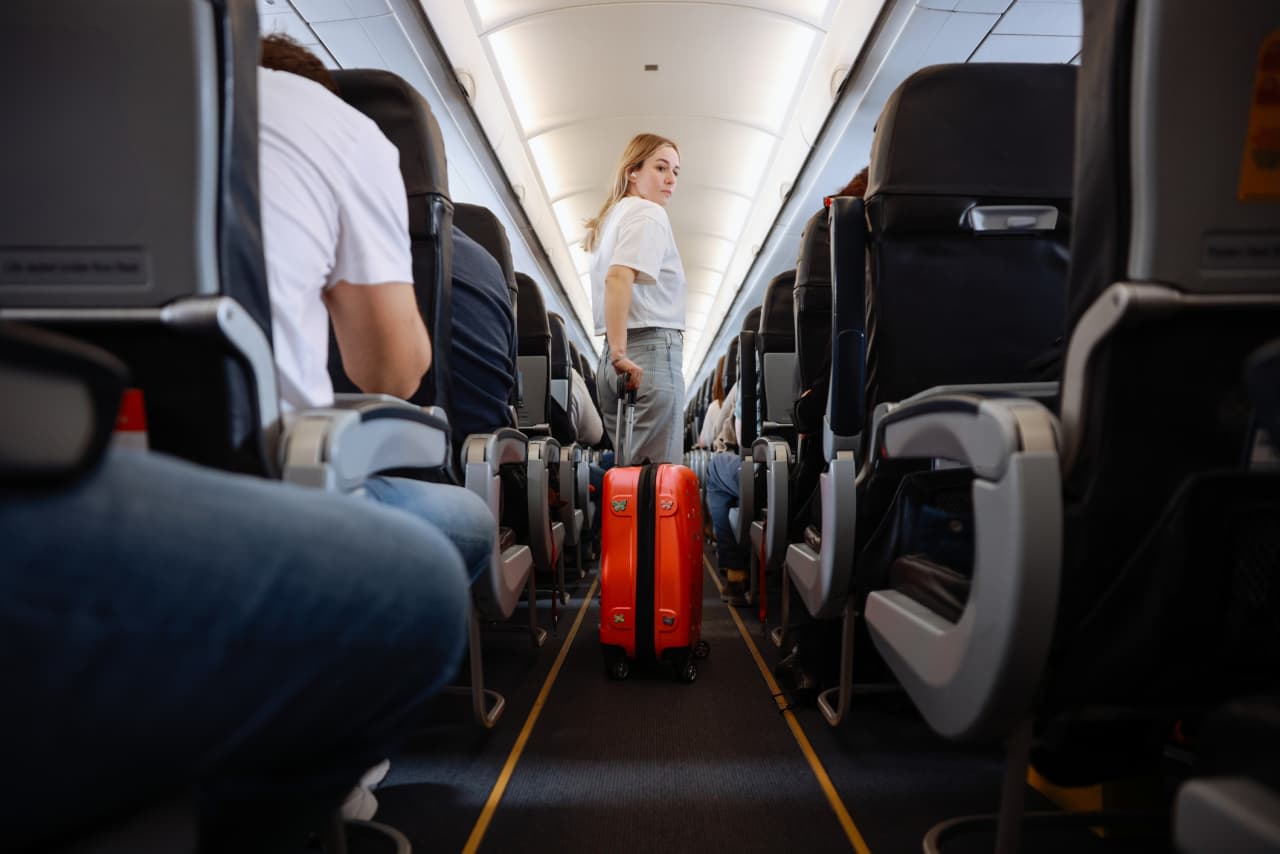
Travelers are expressing growing frustration over the failure of priority boarding services to guarantee overhead bin space. This highlights a disconnect between airline marketing and the actual passenger experience regarding premium add-ons.
The Priority Boarding Paradox: Consumer Expectations vs. Reality
In the modern era of commercial aviation, 'priority boarding' has become a staple upsell, marketed to passengers as a solution to the perennial anxiety of overhead bin space. However, as evidenced by recent traveler complaints, there is a mounting perception that this service often fails to deliver on its core promise. When a passenger pays a premium for earlier access to the cabin, the expectation is a functional utility—a place to stow their belongings—rather than merely being among the first to sit in a confined space.
The Erosion of Trust in Ancillary Revenue
Airlines have shifted toward an 'ancillary revenue' model, where base fares are kept low while additional services are unbundled and sold separately. Priority boarding is a key component of this strategy. When the system fails, it creates a 'duped' narrative among consumers. The frustration stems from the fact that while the airline collects the fee, they do not guarantee the physical infrastructure (overhead bin space) required to make the service valuable, leading to a breakdown in the implicit contract between the carrier and the traveler.
Psychological Impact on Passenger Behavior
The sentiment expressed by frustrated travelers—contemplating a shift to boarding whenever they please—indicates a significant shift in passenger psychology. When the perceived benefit of a paid service evaporates, passengers revert to 'gamified' or cynical strategies. This suggests that the current operational model of overhead bin management is not just a logistical hurdle, but a reputational risk that encourages passengers to bypass standard procedures in favor of self-preservation.
Logistical Challenges and Gate-Checking
The root cause often lies in the discrepancy between cabin capacity and the sheer volume of carry-on luggage. Even with priority boarding, if a flight is at full capacity, the limited overhead space is frequently consumed by earlier-boarding passengers or items that should have been checked. Airlines often resort to 'gate-checking' bags when bins reach capacity, which contradicts the 'priority' experience the passenger paid for, as it forces the traveler to wait at the carousel upon arrival, effectively negating the time-saving benefit of their purchase.
Future Trends in Cabin Management
To mitigate these issues, airlines may need to move toward more transparent service tiers or invest in larger bin configurations on newer aircraft. However, as long as the demand for carry-on travel remains high due to checked bag fees, the conflict over overhead space will persist. The industry faces a critical juncture: either improve the reliability of premium boarding or risk a long-term erosion of customer loyalty as travelers increasingly feel that the 'priority' label is a hollow marketing promise.
Verification Required?