Prisons minister Lord Timpson quits government
Source Entity
BBC News
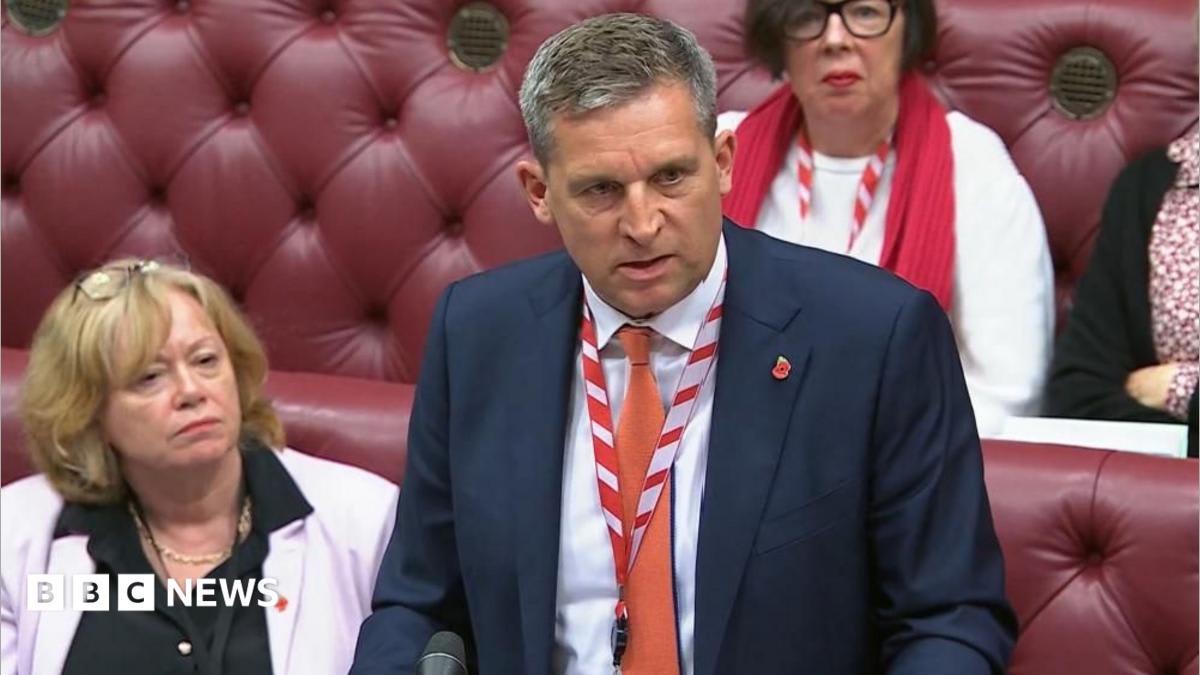
Prisons minister Lord James Timpson has resigned from his government post, stating he has achieved all he can in the role. Appointed in July 2024, the former business leader was brought in to address the severe capacity crisis in English and Welsh prisons.
The Resignation of Lord Timpson: A Ministerial Departure
The political landscape of the United Kingdom has seen a notable shift with the resignation of Lord James Timpson from his position as prisons minister. Appointed in July 2024, Lord Timpson brought a unique background to the role, transitioning from his tenure as the CEO of the Timpson group—a company widely respected for its business model that prioritizes the employment of former prisoners. His departure, confirmed by the BBC, marks a swift end to a tenure that was initially heralded as a bold, non-traditional appointment.
A Radical Approach to Penal Reform
When Lord Timpson joined the government, his arrival was met with significant fanfare, particularly within the Labour Party. Supporters described his appointment as both "radical" and "innovative," signaling a departure from standard political appointments toward a more pragmatic, industry-led approach to criminal justice. Given his professional history of rehabilitating offenders through gainful employment, there was hope that his leadership would bridge the gap between private-sector efficiency and public-sector reform.
The Context of the Prison Crisis
To understand the gravity of this resignation, one must consider the state of the penal system at the time of his appointment. When Lord Timpson took office, prisons in England and Wales were at a critical breaking point, operating at near-full capacity. This structural crisis demanded immediate, high-level intervention, making his role one of the most challenging portfolios in the government. His mandate was to stabilize a system strained by overpopulation and aging infrastructure.
Assessing the Departure
While Lord Timpson’s official statement was brief, expressing that it was an "honour" to serve, reports indicate he feels he has accomplished as much as he could within the constraints of the office. In the realm of politics, such statements often reflect a realization that the initial objectives set for a specific ministerial window have been met, or that the appetite for further reform has reached a bureaucratic impasse. By stepping down, he concludes a chapter defined by an attempt to apply corporate-social responsibility principles to a systemic national crisis.
Future Implications for Penal Policy
The resignation leaves a void in the government’s efforts to address prison capacity. As the administration looks to replace him, the primary question remains whether they will seek another external expert or return to a traditional political appointment. The legacy of Lord Timpson’s short tenure will likely be measured by the groundwork he laid during this high-pressure period. Future trends in UK prison reform will undoubtedly be influenced by whether his successor chooses to continue his focus on reintegration and employment or pivots toward a different strategy to manage the ongoing capacity emergency.