Psalm 7 release: PHP security&static analysis software
Source Entity
Hacker News
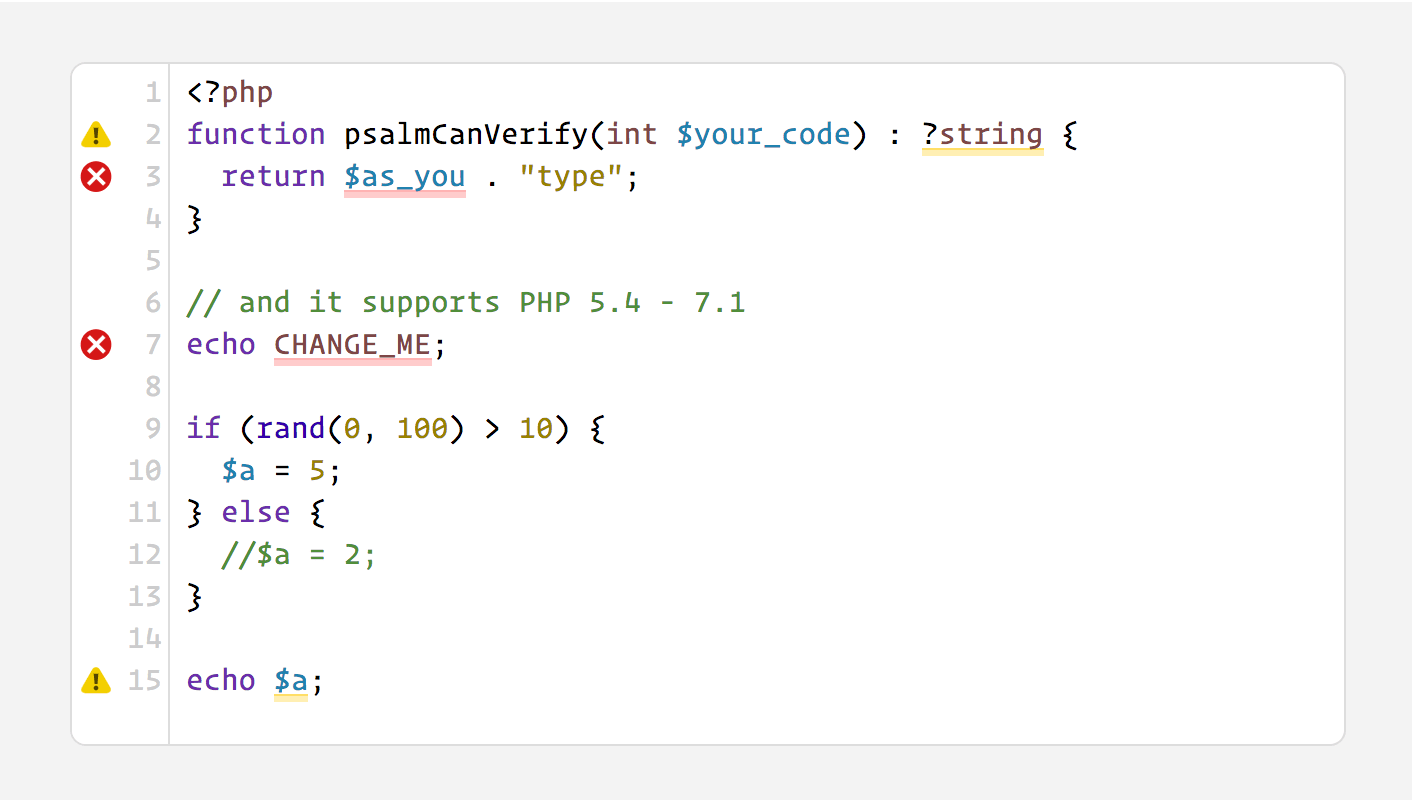
Psalm 7 has been released, introducing a significantly improved security analysis engine. This update features a 10x performance boost and expanded taint tracking for modern threats like LLM prompt injection.
The Evolution of PHP Static Analysis: Unveiling Psalm 7
The recent announcement of Psalm 7 marks a significant milestone in the PHP ecosystem, signaling a shift toward more robust, integrated security tooling for developers. As PHP continues to power a vast majority of the web, the necessity for sophisticated static analysis tools that can keep pace with modern architectural demands has never been higher. Psalm has long been a staple for type checking and dead code detection, but version 7 represents a fundamental architectural overhaul aimed at bridging the gap between code quality and security.
Performance and Security Integration
At the core of the Psalm 7 release is a complete refactoring of its security analysis engine, which now operates by default. By achieving a 10x performance improvement, the tool minimizes the friction typically associated with integrating deep security scans into CI/CD pipelines. This integration allows developers to perform type checking, dead code detection, and security analysis in a single, streamlined execution, ensuring that security is not treated as an afterthought but as an inherent component of the development lifecycle.
Advanced Taint Tracking Capabilities
One of the most critical enhancements in Psalm 7 is the expansion of its taint tracking capabilities. Taint analysis is essential for identifying how untrusted data propagates through an application. The new version introduces deeper detection for sophisticated attack vectors, including NoSQL injection and LLM prompt injection—a timely addition given the rapid adoption of AI-integrated features in web applications. By tracking flows through complex structures like closures, generators, traits, and by-reference parameters, Psalm 7 provides a comprehensive view of data integrity.
Broadening the Scope of Security Sources
In addition to logic improvements, Psalm 7 expands the sources it monitors for potential vulnerabilities. The inclusion of php://input and uploaded file names as recognized sources demonstrates an understanding of the common entry points for malicious payloads. By providing ready-made stubs for widely used libraries and frameworks such as Guzzle, PSR-7, Monolog, and MongoDB, the tool reduces the configuration burden on developers while significantly increasing the depth of security coverage for existing infrastructure.
Broader Implications for PHP Development
This release reflects a broader industry trend where static analysis tools are evolving into comprehensive security platforms. As PHP applications grow in complexity, manual code reviews are no longer sufficient to catch nuanced security flaws. Tools like Psalm 7 empower teams to maintain high standards of code safety without sacrificing development speed. By automating the detection of injection vulnerabilities and logic errors, the maintainers are effectively raising the security baseline for the entire PHP community.
Future Trends and Conclusion
The release of Psalm 7 sets a new benchmark for static analysis in the PHP ecosystem. Future trends will likely see even deeper integration with AI-assisted coding tools and more granular support for asynchronous execution patterns. As the threat landscape continues to shift toward complex injection attacks and supply chain vulnerabilities, the reliance on advanced, performant static analysis will become a non-negotiable standard for professional PHP development. Psalm 7 stands as a testament to the community's commitment to evolving alongside these challenges.