Parallax: The rocket problem India cannot launch away
Source Entity
CHETHAN KUMAR
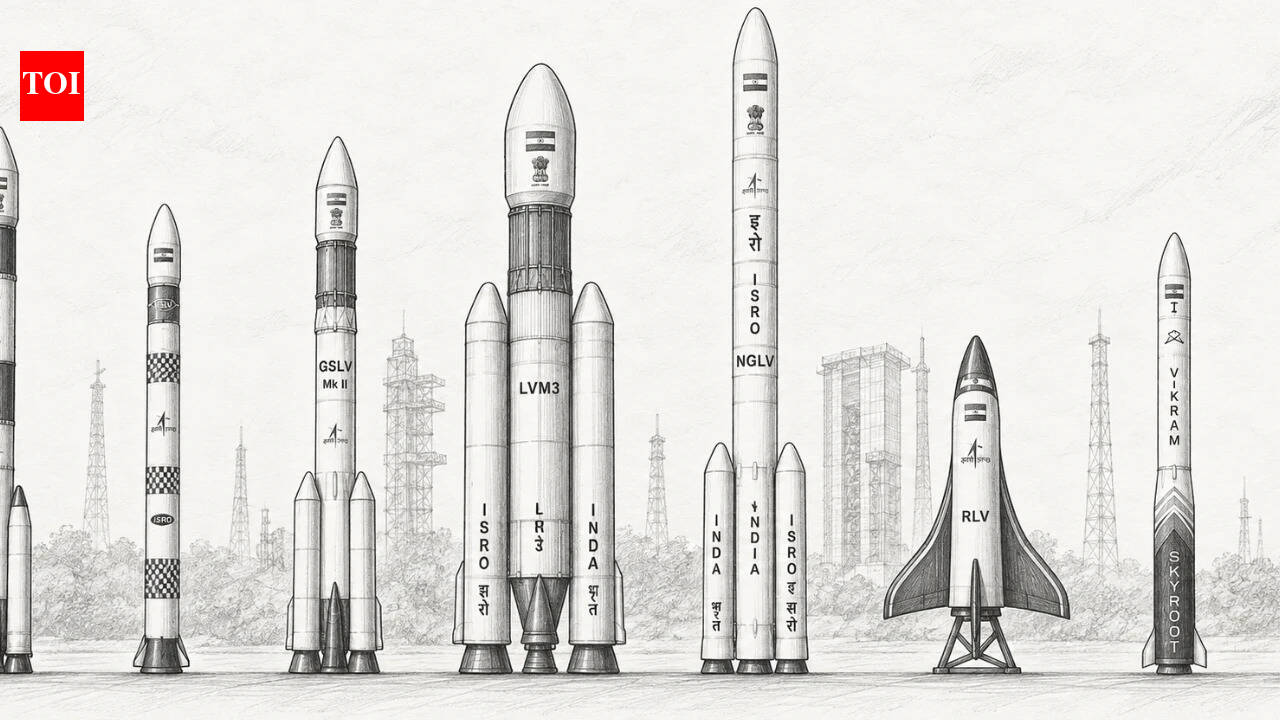
India's space programme faces a critical inflection point as the reliability of the PSLV rocket comes under scrutiny. While the PSLV remains the backbone of the national launch effort, recent failures necessitate a shift in focus from payload capacity to launch frequency and mission assurance.
The PSLV at a Crossroads: Assessing India’s Launch Reliability
For decades, the Polar Satellite Launch Vehicle (PSLV) has been the workhorse of the Indian Space Research Organisation (ISRO), effectively establishing the nation as a formidable player in the global space sector. Its historical success rate and versatility in deploying satellites into varied orbits have made it the backbone of the country's launch programme. However, the recent string of failures has introduced a sense of urgency, forcing stakeholders to re-evaluate the vehicle's long-term utility in a rapidly evolving aerospace market.
Moving Beyond Payload Capacity
Historically, the conversation surrounding Indian rockets has been dominated by technical metrics, specifically payload capacity—the simple question of how much weight a vehicle can lift into orbit. While this remains a vital engineering benchmark, the current climate demands a pivot in perspective. It is no longer enough to measure success by the mass of the payload alone; the industry must now contend with the reliability of the launch cadence and the operational consistency of the hardware.
The Shift Toward Mission Assurance
As ISRO expands its ambitions, the focus must shift to the 'parallax' of the space story: the reliability with which India can deliver payloads to their intended destinations. The recent failures serve as a sobering reminder that even the most robust systems are subject to the complexities of aerospace engineering. Ensuring that the PSLV can be relied upon to meet stringent mission schedules is now just as critical as the rocket's ability to reach orbit.
Broader Implications for Global Competitiveness
India’s ability to maintain its position in the international commercial launch market is directly tied to the reliability of its launch vehicles. As private sector players and other nations increase their launch frequencies, any instability in the PSLV's performance could have cascading effects on India’s strategic and commercial space objectives. The transition from a development-focused programme to a high-frequency, reliable service provider is the next great hurdle for the nation.
Future Trends and Strategic Outlook
Looking ahead, the evolution of India's space narrative will likely hinge on balancing the legacy of the PSLV with the development of next-generation launch vehicles. Future trends suggest that while the PSLV may continue to serve as a backbone, its role must be augmented by systems that prioritize mission success rates and turnaround times. The goal is to move beyond the occasional disappointment and toward a model of predictable, consistent access to space that supports both domestic and international requirements.
Conclusion
In summary, the challenge facing India is not just one of engineering, but of operational strategy. By reframing the debate from 'how much can it carry' to 'how often can we rely on it,' ISRO can better address the technical hurdles revealed by recent failures. Strengthening the reliability of the PSLV remains an essential step in ensuring that India continues to lead in the global space arena.