Pune mass transit route construction to be completed by 2028: CM Fadnavis
Source Entity
Ajay Jadhav
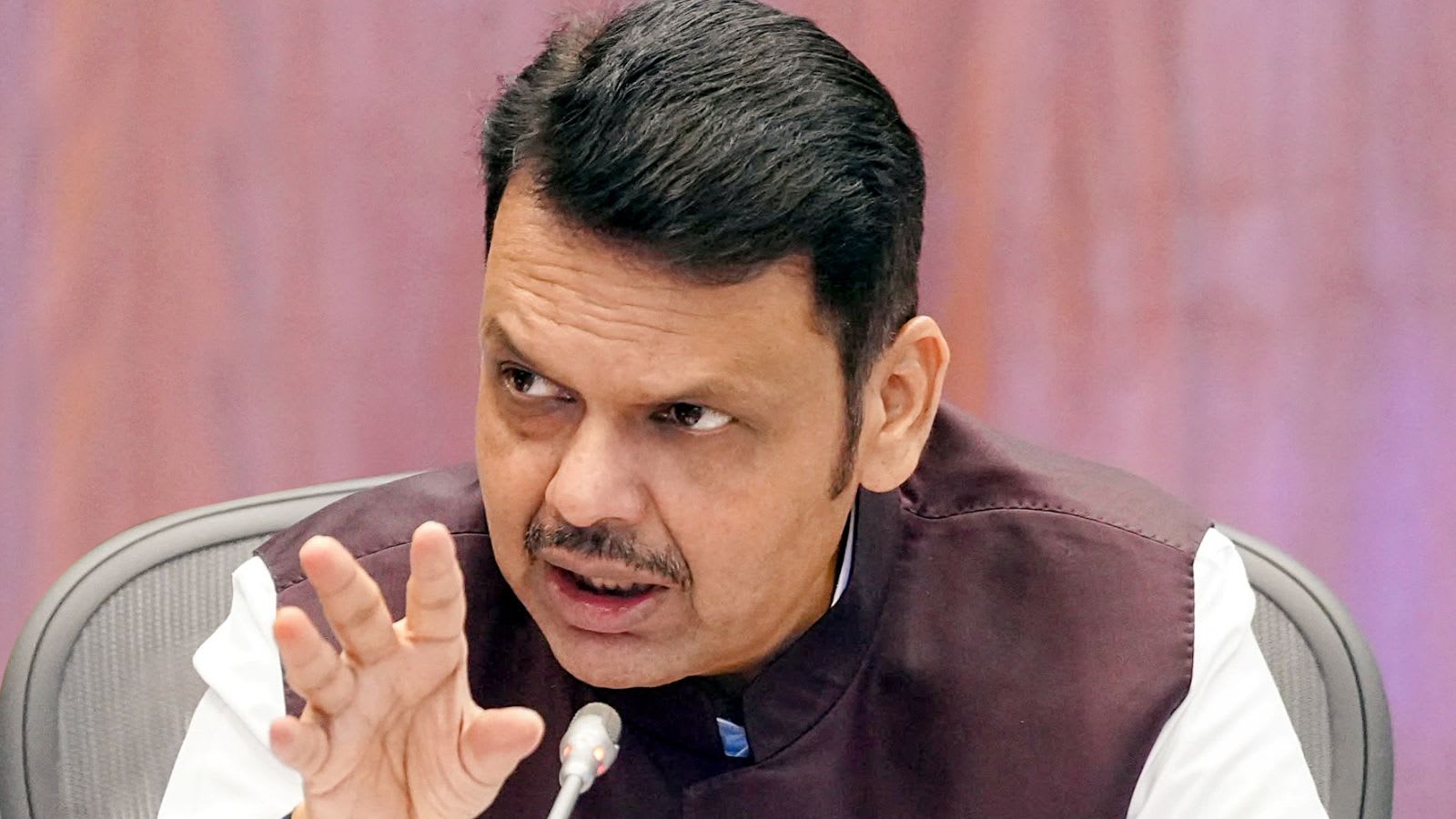
Maharashtra Chief Minister Devendra Fadnavis has announced a 2028 deadline for the High Capacity Mass Rapid Transit (HCMTR) project in Pune. The initiative aims to alleviate severe traffic congestion through the construction of tunnels and an internal ring road.
Accelerating Pune's Urban Mobility Infrastructure
Maharashtra Chief Minister Devendra Fadnavis has unveiled an ambitious roadmap to transform Pune’s urban landscape by 2028. During a high-level committee meeting focused on urban transport, the government solidified plans to expedite three critical infrastructure projects: the High Capacity Mass Rapid Transit (HCMTR) project, the Pune Internal Ring Road, and a new network of tunnels. These efforts are designed to address the growing pains of a city that has seen rapid population growth and increasing vehicle density over the last decade.
The HCMTR and Strategic Development
The centerpiece of this infrastructure overhaul is the HCMTR project, which is now slated for completion by 2028. As a mass rapid transit system, it is intended to serve as the backbone of Pune’s public transport, moving large volumes of commuters efficiently across the city’s complex geography. By setting a definitive completion target, the state government is attempting to streamline financial management and project monitoring, ensuring that the high-powered committee remains accountable for the project's milestones.
Addressing Connectivity Through Ring Roads and Tunnels
A significant barrier to Pune’s economic efficiency has been its internal traffic congestion, which often bottlenecks transit between suburban hubs and the city center. The government’s decision to prioritize the Pune Internal Ring Road is a tactical response to this issue. Notably, the administration has opted for a cash compensation model for land acquisition. This approach is designed to mitigate the legal and logistical delays often associated with land procurement, potentially accelerating the transition from planning to construction.
Engineering Solutions for Urban Density
Complementing the surface-level road improvements is the planned construction of three tunnels within the city. These tunnels represent a shift toward vertical and subterranean infrastructure planning, which is increasingly necessary in densely populated urban environments where surface space is limited. By integrating these tunnels into the broader transit network, the government aims to provide seamless connectivity that bypasses traditional traffic corridors, effectively shortening travel times for thousands of daily commuters.
Broader Implications and Future Outlook
The commitment to these mega-projects underscores a broader strategy to maintain Pune’s status as a premier industrial and IT hub. Reliable infrastructure is a key determinant for corporate investment, and by addressing the city's transport deficiencies, the Maharashtra government is positioning Pune to sustain its long-term economic growth. The successful execution of these projects by 2028 will not only reduce carbon footprints through decreased traffic idling but also significantly improve the quality of life for Pune's residents.
Conclusion
In summary, the coordinated effort to finalize the HCMTR, Ring Road, and tunnel networks marks a pivotal moment for Pune’s urban development. Through a combination of high-level oversight and pragmatic land acquisition strategies, the state government is setting a clear trajectory for modernization. If these timelines are met, the city is set to experience a substantial reduction in congestion, creating a more sustainable and efficient transit ecosystem for the future.