Renaming of Pune Mayor’s bungalow to Ramdoot sparks row
Source Entity
Ajay Jadhav
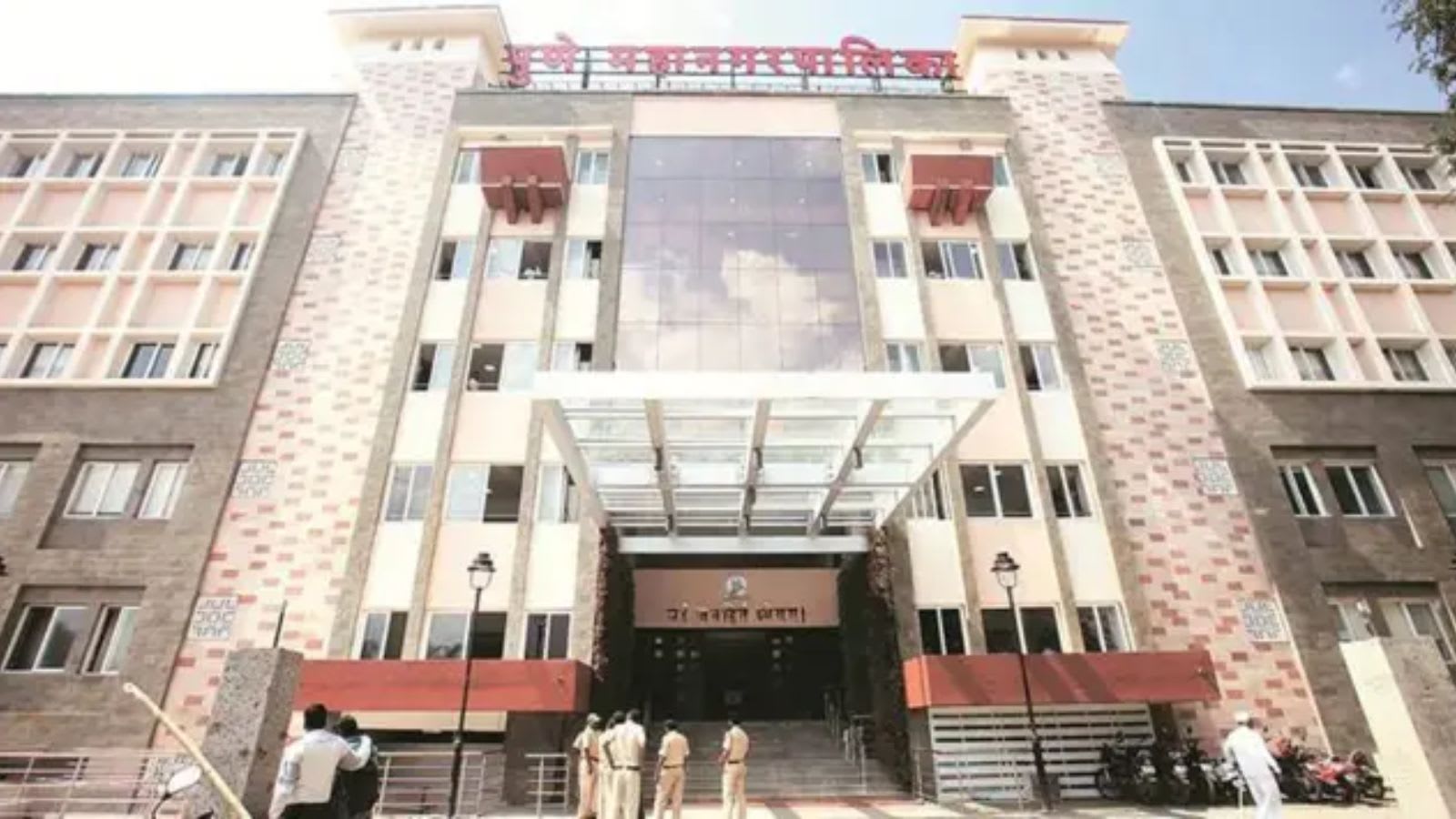
A proposal by a BJP corporator to rename the Pune Mayor's official residence to 'Ramdoot' has ignited a political controversy. Former mayors oppose the change, arguing that the status quo should be maintained to preserve the institution's neutrality.
The Controversy Surrounding Pune’s Official Residence
A localized yet politically charged debate has emerged in Pune regarding the potential renaming of the Mayor’s official bungalow to 'Ramdoot.' The proposal, initiated by a sitting BJP corporator, has moved through the civic name committee and is currently under review by the coordination committee of political party leaders within the Pune Municipal Corporation (PMC). This move has triggered a significant clash between current political aspirations and the established conventions of civic governance.
The Argument for Institutional Continuity
The opposition to this renaming is primarily spearheaded by the Association of Former Mayors of Pune. Their primary contention is rooted in the preservation of institutional identity. Former mayor Rajlaxmi Bhosale, serving as the president of the association, has formally communicated to the current mayor that the residence should not be subject to the whims or ideological preferences of any single political party or individual. The association posits that the residence is a public asset belonging to the office of the Mayor, not a tool for symbolic political branding.
Comparisons to Broader Municipal Traditions
A key pillar of the opposition's argument is the comparison with other major urban centers in India. By referencing the 'Mayor’s Bungalow' in Mumbai, the former mayors are highlighting a standard of nomenclature that emphasizes the office rather than the occupant. This perspective suggests that maintaining the traditional name is a matter of administrative integrity and consistency, ensuring that the residence remains a symbol of the office itself, regardless of which political party holds the mayoral seat.
Political Symbolism and Civic Governance
The proposal to name the residence 'Ramdoot' carries significant symbolic weight, often reflective of the broader cultural and religious narratives currently influencing local politics in India. For the BJP corporator, the renaming may be viewed as an act of cultural assertion or honoring specific values. However, for critics, this represents the politicization of public infrastructure, where names are used to imprint partisan ideology onto neutral, taxpayer-funded government property.
Future Implications for PMC Policy
As the proposal sits with the coordination committee, the outcome will likely set a precedent for how municipal assets are named or renamed in Pune moving forward. If the committee approves the change, it may embolden future administrations to rename other civic landmarks to suit their party platforms. Conversely, a rejection would reinforce the idea that the city's heritage and institutional naming conventions should remain insulated from shifting political cycles.
Conclusive Summary
The debate over the 'Ramdoot' renaming highlights the tension between political expression and the preservation of civic tradition. While proponents see an opportunity to instill specific values into a prominent public landmark, opponents view it as an unnecessary departure from established naming conventions. The resolution of this dispute will ultimately depend on the consensus reached by the political leaders within the PMC, serving as a litmus test for how the city balances administrative continuity with evolving political priorities.