R.K. Singh calls Indian government pusillanimous over allegedly abandoning patrolling point in Arunachal
Source Entity
India Latest News: Top National Headlines Today & Breaking News | The Hindu
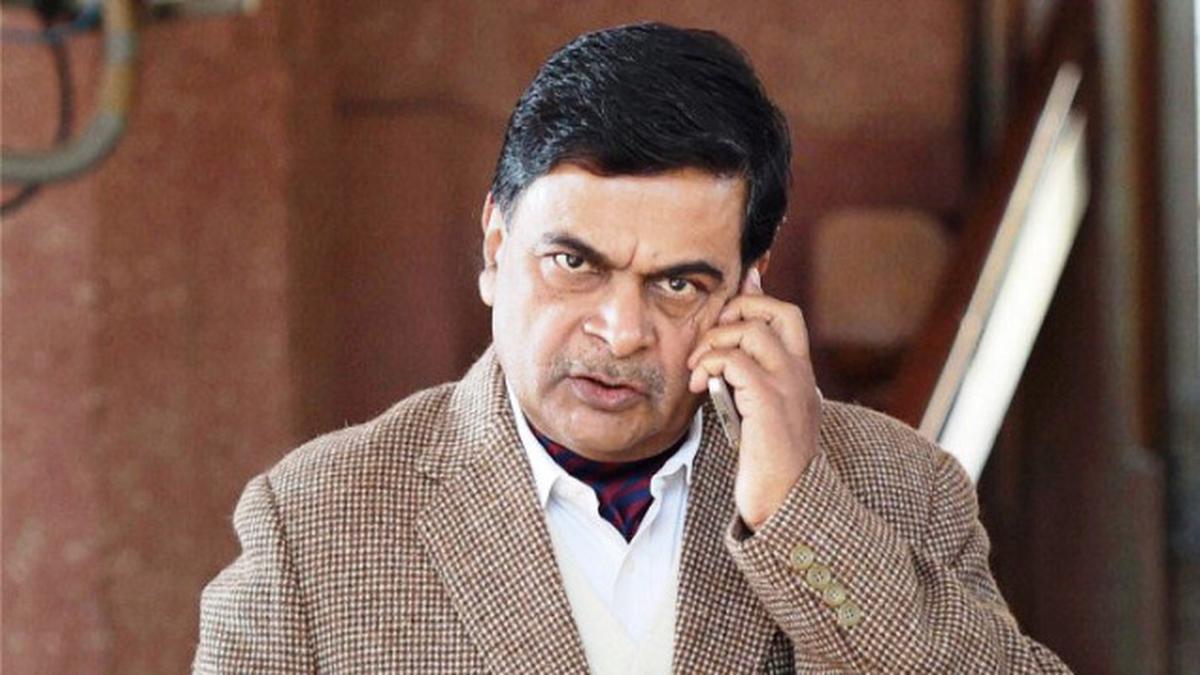
Former Union Minister R.K. Singh has publicly questioned the government regarding the alleged abandonment of a patrolling point in Arunachal Pradesh. He is demanding transparency on how many such locations may have been ceded since 2014.
Allegations of Territorial Concession in Arunachal Pradesh
Former Union Minister and Home Secretary R.K. Singh has ignited a significant political debate by publicly questioning the central government's border management strategy. Citing a recent report, Singh alleged that Indian forces have abandoned 'Shera 5,' a specific patrolling point situated in the Taksing area of Arunachal Pradesh. This accusation carries substantial weight given Singh's extensive background in national security, having served in both the Ministry of Defence and the Ministry of Home Affairs.
The Demand for Transparency
In a video statement released on X on August 12, 2026, the former Member of Parliament for Arrah articulated his concerns directly to Prime Minister Narendra Modi and Defence Minister Rajnath Singh. By framing his inquiry as a question of national interest—asking 'how many other patrolling points the government has given up since 2014'—Singh is effectively challenging the current administration's narrative regarding border security and territorial integrity. His background as a career bureaucrat and former Home Secretary provides him with a unique vantage point, making his critique particularly disruptive to the official stance.
Contextualizing Border Security
The Taksing region in Arunachal Pradesh has historically been a sensitive zone due to the unresolved nature of the Line of Actual Control (LAC). Patrolling points are critical strategic assets that allow Indian security forces to assert presence and maintain surveillance over disputed territory. The alleged abandonment of such a point, if verified, would represent a significant shift in tactical positioning. Historically, the maintenance of these points has been the primary mechanism through which India monitors encroachment and prevents unauthorized access to its frontier.
Broader Political and Security Implications
This incident does not exist in a vacuum; it follows a pattern of heightened sensitivity regarding border disputes in India's Northeast. The mention of a separate, concurrent clash along the Assam-Arunachal border highlights the volatile nature of administrative and territorial boundaries in the region. When a high-profile figure like R.K. Singh questions the government's resolve, it forces a public reckoning with the 'pusillanimous' label he applied, potentially affecting public perception of the government's 'strongman' image in defense policy.
Future Trends and Accountability
Moving forward, the government will likely face increased pressure to provide a detailed audit of border patrolling protocols and the status of specific points along the LAC. If the administration fails to adequately address these concerns, it could lead to a broader parliamentary crisis where opposition forces leverage these claims to demand greater oversight of defense operations. The ongoing tension between internal security requirements and diplomatic posturing suggests that border management will remain a central pillar of political discourse in the coming months.
Verification Required?