Pune Metro Lines 1 & 2 only at 40% ridership after 2 years of operation
Source Entity
Soham Shah
Pune Metro Lines 1 and 2 are struggling with ridership, reaching only 40% of initial projections two years after launch. Meanwhile, the new Pink Line has been inaugurated to connect the city center to the Hinjewadi IT hub.
Pune Metro: A Disconnect Between Projections and Reality
Two years into its operational phase, the Pune Metro system—specifically Lines 1 and 2—is currently facing a significant utilization challenge. Despite the ambitious goals set out in the Detailed Project Report (DPR), official data indicates that ridership has stalled at a mere 40% of the figures originally projected for the initial years. This discrepancy highlights the complexities of urban transit planning and the difficulty of accurately forecasting commuter behavior in rapidly evolving Indian cities.
The Gap Between DPR Estimates and Actual Commuter Behavior
The DPR had initially estimated a robust ridership of 6.09 lakh passengers per day for the combined operations of the Swargate to PCMC and Vanaz to Ramwadi lines. However, the reality on the ground has fallen substantially short of these metrics. Such gaps often arise from discrepancies in last-mile connectivity, the convenience of existing public transport alternatives, and the habitual reliance on private vehicles, which remain deeply ingrained in Pune's urban culture.
Strategic Expansion with the Pink Line
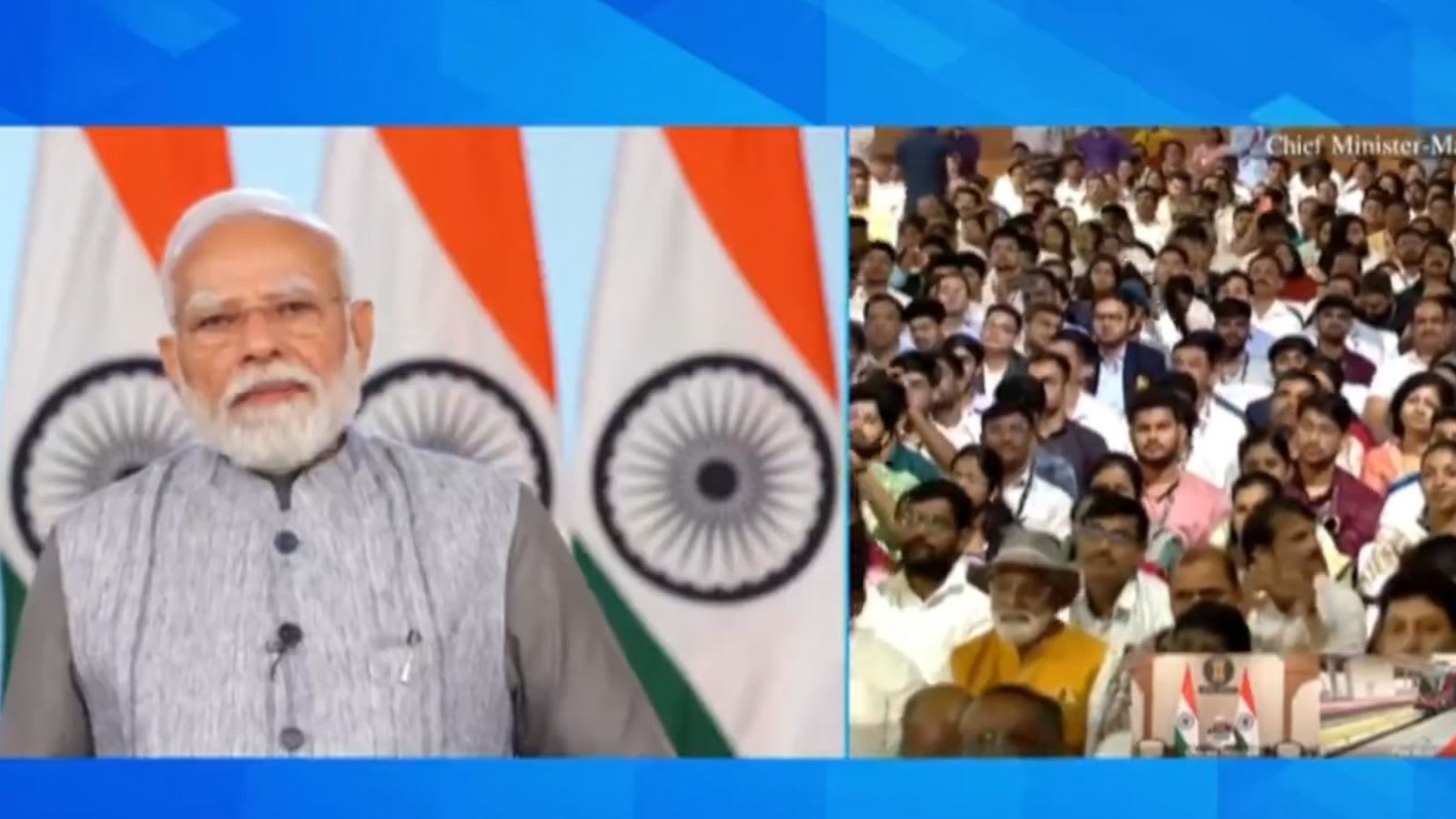
In a move to bolster the network's utility, Prime Minister Narendra Modi recently inaugurated Line 3, also known as the Pink Line. This expansion is strategically significant, as it bridges the gap between the city’s central District Court and the bustling IT corridor in Hinjewadi-Maan. By targeting the workforce in the technology sector, authorities are likely attempting to capture a more consistent and predictable demographic of daily commuters who prioritize time-efficient transit over road-based congestion.
Historical Context and Development Milestones
The development of the Pune Metro has been a phased journey, characterized by steady infrastructure expansion. Following the inauguration of the Swargate Metro station in September 2024, the first two lines became largely functional, marking a major milestone for regional connectivity. Yet, the history of this project remains tethered to the persistent challenge of ensuring that infrastructure investment translates into high-volume public adoption.
Broader Implications for Urban Infrastructure
The underperformance of Lines 1 and 2 serves as a critical case study for urban planners and government agencies. When infrastructure projects fail to meet their initial ridership targets, it often triggers a re-evaluation of integrated transport policies, including the need for better feeder bus services, integrated ticketing, and improved pedestrian access to stations. The future success of the Pune Metro will hinge on whether it can move beyond its current status and become the primary mode of transit for the city's diverse population.
Future Trends and Outlook
Looking ahead, the success of the new Pink Line will be a bellwether for the entire system. If the connection to the Hinjewadi IT hub succeeds in drawing significant traffic, it may provide the necessary momentum to increase overall ridership across the network. However, city authorities must address the structural barriers that have kept the first two lines at 40% capacity, ensuring that the metro becomes not just an alternative, but an essential component of daily life in Pune.