The Daily Catch-Up: Courts, politics and rescue operations
Source Entity
The Indian Express
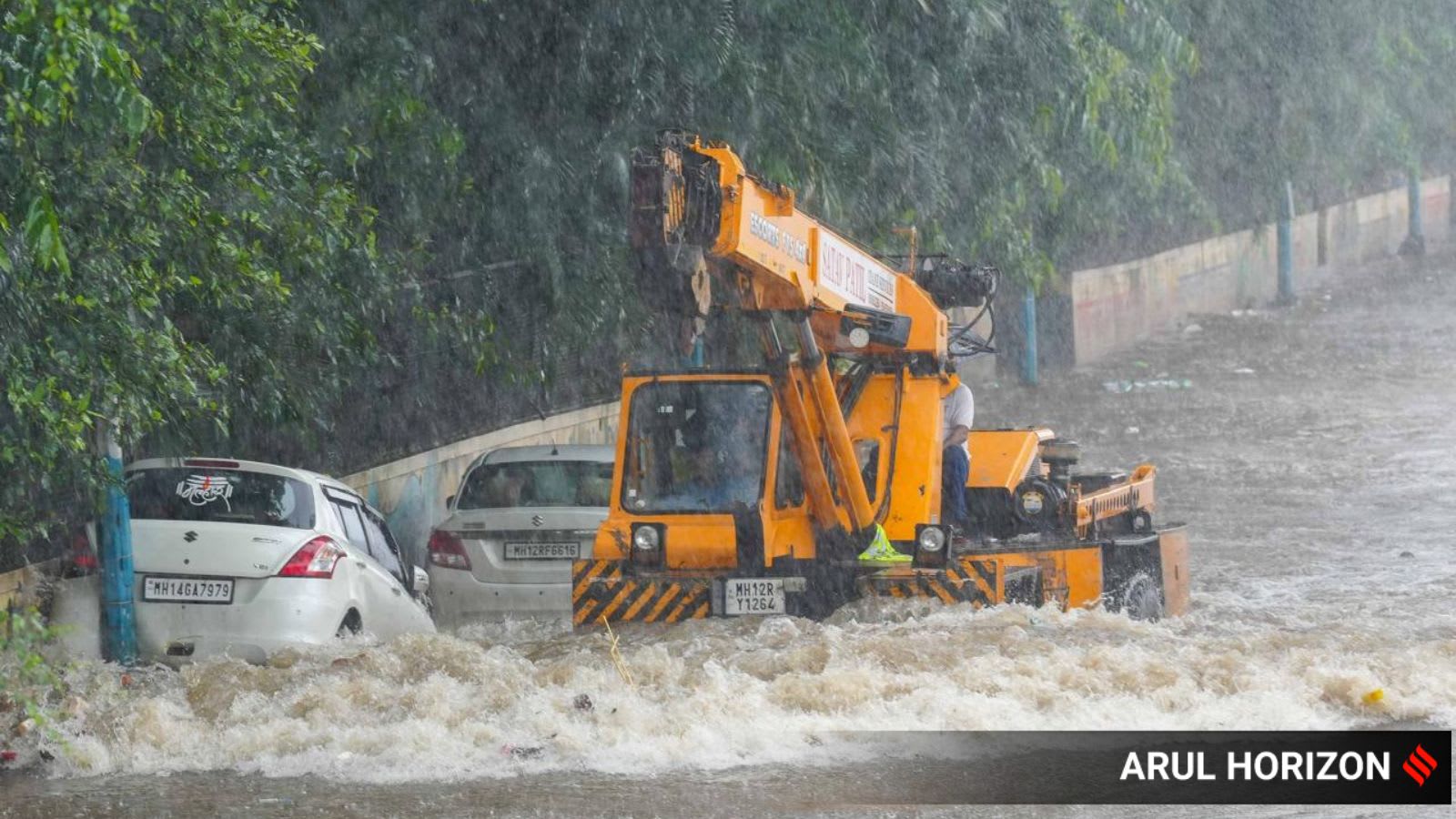
Pune is recovering from severe monsoon flooding that stranded vehicles near the PMC headquarters after dam water releases. The IMD has downgraded weather alerts as rainfall intensity across Pune, Nashik, and Satara begins to subside.
Pune Faces Monsoon Challenges as Rainfall Begins to Ease
Recent days have seen significant disruption in Pune, as heavy rainfall led to the release of water from the Khadakwasla Dam, resulting in the inundation of critical riverside infrastructure. The floodwaters rendered a key road near the Pune Municipal Corporation (PMC) headquarters impassable, forcing police to coordinate the emergency removal of stranded vehicles. This event highlights the precarious nature of urban planning in regions prone to heavy monsoon discharge and the logistical challenges faced by local authorities during extreme weather events.
The Impact of Hydrological Management
The flooding of the riverside road was a direct consequence of necessary water management strategies at the Khadakwasla Dam. When reservoir levels reach capacity due to incessant rainfall, authorities must release water to ensure the structural integrity of the dam. However, this necessity creates immediate downstream impacts, turning low-lying urban arteries into hazard zones. The incident serves as a stark reminder of the intersection between civil engineering, disaster management, and urban mobility in a rapidly growing city like Pune.
Meteorological Shifts and Recovery
Following a week of intense weather characterized by successive red, orange, and yellow alerts, the India Meteorological Department (IMD) has provided a more optimistic forecast. The monsoon fury that battered Pune, Nashik, and the surrounding ghats is finally beginning to subside. The downgrading of these alerts signals a shift toward stabilization, with expectations of lighter showers in the coming days. This change in weather patterns is crucial for restoration efforts, allowing municipal teams to clear debris and assess infrastructure damage caused by the surge.
Broader Implications for Western Maharashtra
The rainfall patterns across the ghats of Pune, Nashik, and Satara are vital indicators of the overall health of the monsoon in Western Maharashtra. The transition from heavy, persistent downpours to isolated, lighter showers provides a much-needed reprieve for both rural agriculture and urban logistics. As the red alerts are lifted in favor of orange and yellow warnings, it reflects a cooling of the atmospheric conditions that drove the recent deluge.
Future Trends and Preparedness
Looking ahead, the events of the past week underscore the need for improved early warning systems and more resilient urban infrastructure. As climate patterns become increasingly erratic, the frequency of such intense monsoon events may test the limits of existing drainage and traffic management protocols. Future urban development in Pune must account for these hydrological realities to minimize future economic and social disruptions caused by seasonal inundation. The current stabilization provides a window of opportunity for authorities to conduct a post-mortem on the response effectiveness and prepare for the remainder of the monsoon season.