Maximum temperature rises in Pune as rains stay away
Source Entity
Dipanita Nath
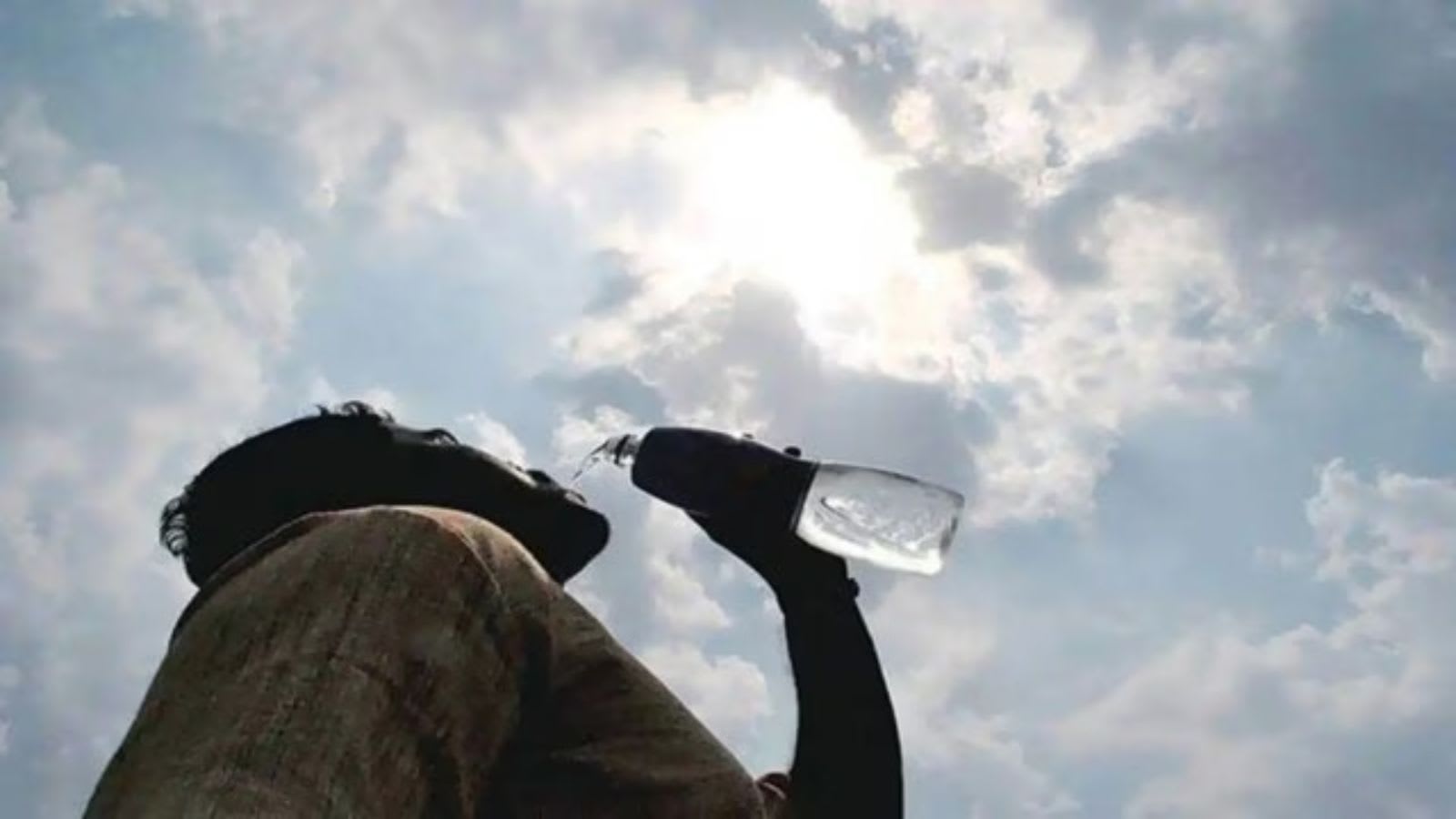
Pune is experiencing a notable surge in daytime temperatures as monsoon rains remain absent. The India Meteorological Department forecasts above-normal heat across most of India for October.
Pune Faces Rising Temperatures Amidst Dry Weather
The city of Pune is currently grappling with a significant rise in maximum temperatures as the anticipated cooling effect of late-monsoon rainfall remains absent. Recent meteorological data indicates that the region is experiencing heat levels well above the seasonal average, with weather stations across the city reporting consistent spikes in daytime mercury levels. This shift in weather patterns has raised concerns among residents and local agricultural experts who rely on the transition period for a cooling effect.
Localized Temperature Spikes
The intensity of this heatwave is evident in the specific data recorded across various Pune suburbs. Shivajinagar, a primary weather reference point, saw temperatures reach 34.8 degrees Celsius, marking a departure of 3.5 degrees above the expected norm. Even more pronounced was the heat in Lohegaon, where temperatures climbed to 35.4 degrees Celsius—a staggering 4.1 degrees above the typical seasonal baseline. These figures are not isolated anomalies but represent a broader trend of heating across the urban expanse, including areas like Chinchwad and Wadgaonsheri, which hovered near 34.7 degrees Celsius.
The National Context: IMD Forecasts
This localized heat event aligns with the broader outlook provided by the India Meteorological Department (IMD). The agency has officially forecasted that for the month of October, maximum temperatures are likely to remain above normal across a vast majority of the country. While some regions in northeast India and isolated pockets of central and northwest India are expected to retain normal temperature profiles, the current data suggests that much of the country, including Maharashtra, is entering a period of sustained thermal stress.
Implications of a Delayed Monsoon Retreat
The absence of rain at this stage of the season is particularly critical. Traditionally, the withdrawal of the monsoon brings a gradual decrease in humidity and temperature. However, the current dry spell, coupled with the IMD's forecast for above-normal heat, suggests a potential delay in the onset of cooler, comfortable autumn weather. This has significant implications for energy consumption, as the reliance on cooling systems remains high, and for public health, as prolonged exposure to unseasonable heat can lead to heat-related exhaustion.
Historical Trends and Future Outlook
Looking ahead, these temperature spikes highlight the evolving climatic challenges faced by urban centers like Pune. As urbanization continues to increase the 'heat island' effect in densely populated areas like Hadapsar and Magarpatta—which recorded temperatures around 33.5 degrees Celsius—the threshold for heat discomfort is lowering. Experts suggest that if the current trend of above-normal temperatures continues throughout October, the city may experience a drier and warmer post-monsoon season than historically observed, necessitating better heat management strategies for the future.